Fenghuo Mountain Pass in Zhidoi County, Yushu
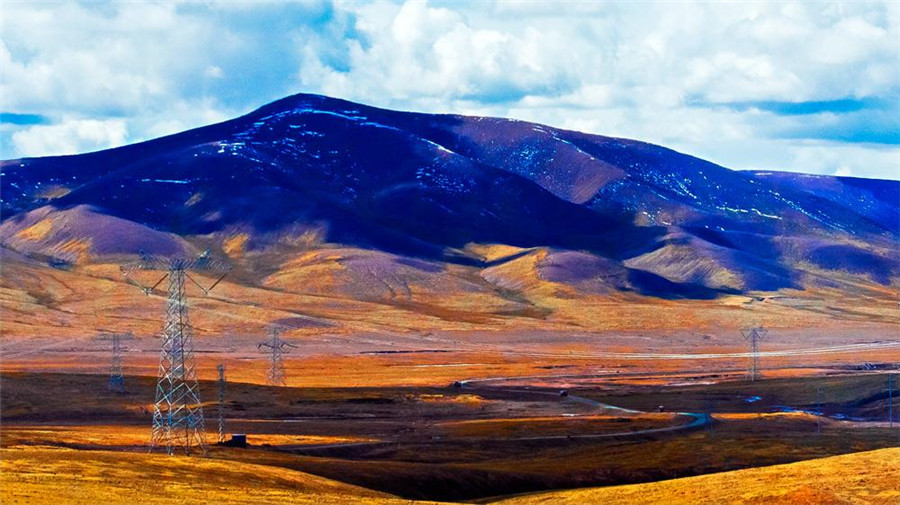
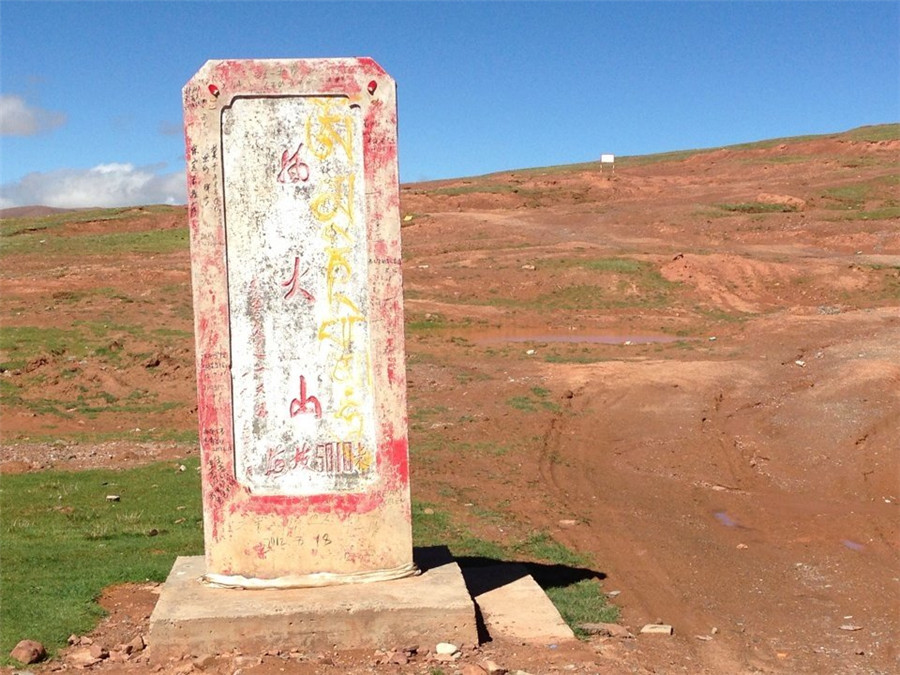
Fenghuo Mountain Pass (风火山/隆青吉布山), situated in the Tanggula Mountains (唐古拉山脉) on the central Tibetan Plateau in the People’s Republic of China, is a high-altitude mountain pass that stands at an elevation of 4,961 meters (16,276 feet) above sea level. Located in Zhidoi County (治多县), Yushu Tibetan Autonomous Prefecture (玉树藏族自治州), Qinghai Province (青海省), this pass is an essential passageway across the high Tibetan Plateau.
The Tanggula Mountains form the spine of the Tibetan Plateau, and the area is home to dramatic natural landscapes, including glaciers, snow-capped peaks, and unique geological features like the Stone Forest and Monument Sea (石林碑海) formed by glacial activity.
Climate and Environmental Conditions
Harsh Climate and Extreme Conditions
The climate in the Fenghuo Mountain Pass area is characterized by harsh conditions, with temperatures dropping to as low as -41°C during the winter. The average annual temperature is -7°C, and the air contains only about 50% of the oxygen found in lowland regions, earning this area the nickname “The Forbidden Zone of Life” (生命禁区). The region is known for its high-altitude conditions, with the temperature swinging drastically from freezing cold to moderate snowfall within moments.
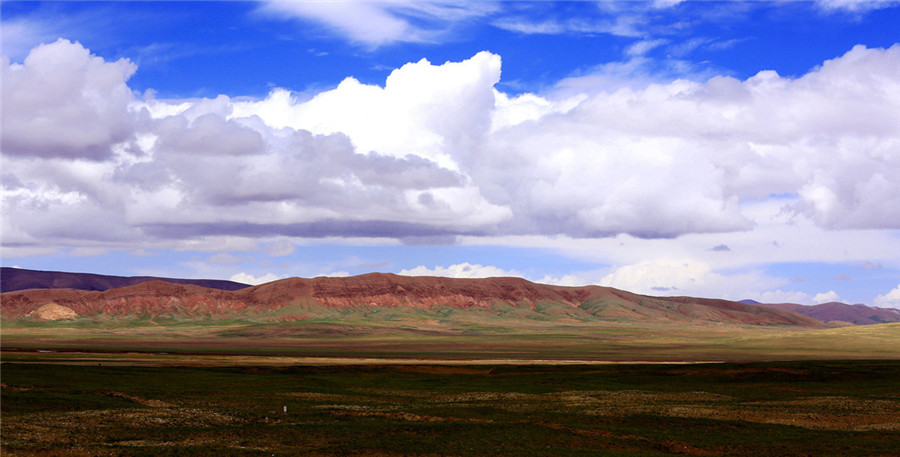
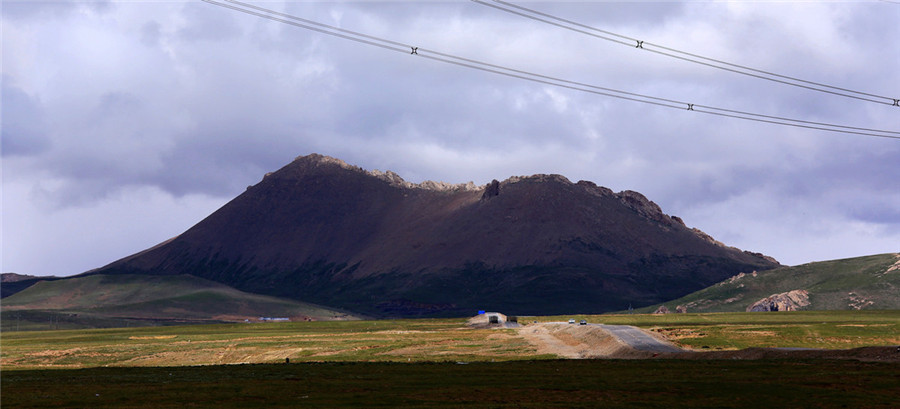
The main peak, Totodunse (托托敦塞), stands at over 5,100 meters and has an extraordinary red-brown color due to the sedimentary rock formations. The terrain features glacial valleys and permafrost layers as thick as 150 meters, making the landscape both stunning and unforgiving.
-
Average Annual Temperature: -7°C
-
Winter Temperature: -41°C (lowest recorded)
-
Oxygen Level: 50% of that found in lowland regions
Fenghuo Mountain Tunnel: A World Engineering Marvel
A Triumph in Engineering
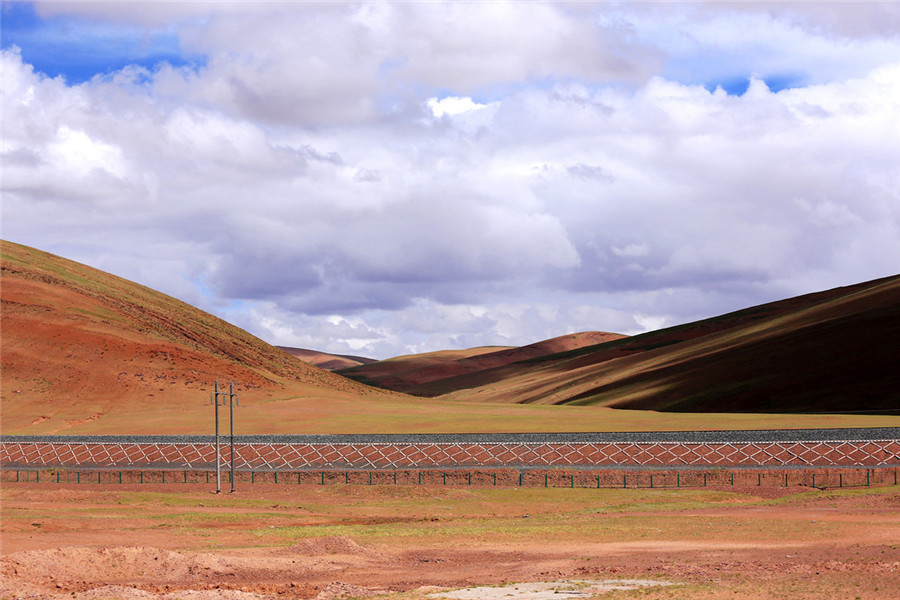
The Fenghuo Mountain Tunnel (风火山隧道), part of the Qinghai-Tibet Railway (青藏铁路), holds the title of being the world’s highest-altitude railway tunnel at 4,905 meters above sea level. The tunnel stretches over 1,338 meters and cuts through permafrost layers, making it a remarkable feat of engineering, overcoming the challenges of freezing conditions and low oxygen levels.
Construction of the tunnel started in October 2001 and was completed in October 2002, marking a significant milestone in the construction of the Qinghai-Tibet Railway, a project connecting Xining (西宁) with Lhasa (拉萨). The tunnel was designed with specialized temperature control systems and oxygen supply mechanisms to counteract the extreme conditions inside.
-
Tunnel Length: 1,338 meters
-
Highest Elevation: 4,905 meters above sea level
-
Engineering Features: Includes air conditioning and oxygen supply systems to address permafrost and low oxygen challenges
Geological Features and Natural Landscape
Red-Brown Rock Formations and Glacial Landscape
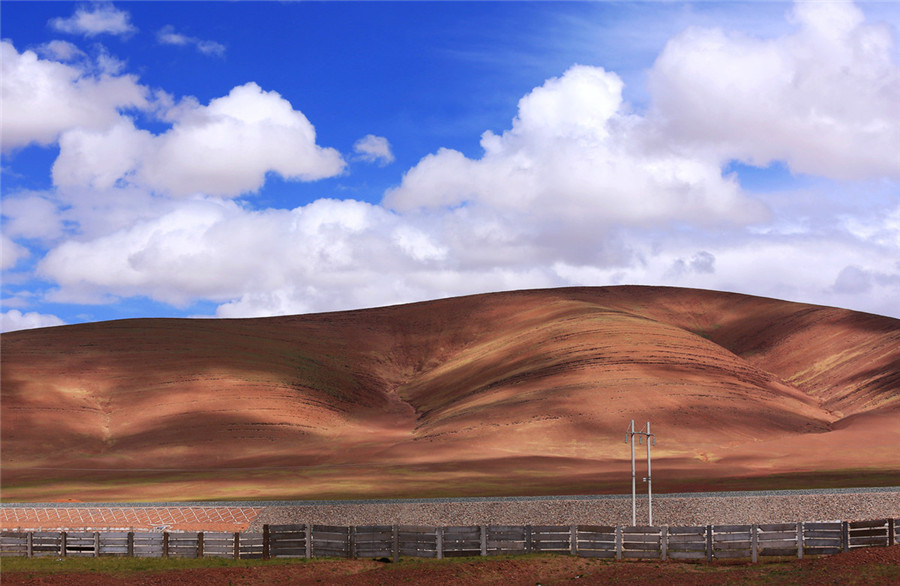
The Fenghuo Mountain Pass area is renowned for its distinctive red-brown rock formations, which appear as if the mountains are on fire when viewed from a distance, particularly during sunset. The scenery features glacial valleys, stone forests, and monument-like rock formations created by the glacier erosion and permafrost processes.
The mountains are part of the Kunlun Mountain Range (昆仑山脉) and are located to the southeast of Kekexili (可可西里), the uninhabited region of Tibet. The area also contains seismic zones, making it a dynamic geological region for scientific research.
-
Main Peak: Totodunse (托托敦塞) at 5,100 meters
-
Scenic Features: Stone Forest and Monument Sea (石林碑海)
Significance for Railway Construction and Research
Challenges in Railway Construction
The Fenghuo Mountain Pass poses a significant challenge for transportation, particularly with the Qinghai-Tibet Railway, which passes through this high-altitude region. The harsh climate and permafrost layers made construction particularly difficult. The Fenghuo Mountain Tunnel represents one of the most challenging sections of the railway, located in an area with extreme cold and low atmospheric pressure.
Despite these challenges, the tunnel was completed on time, becoming the highest frozen ground tunnel ever constructed. It has since become a critical point in high-altitude railway engineering, earning accolades worldwide for its innovative construction methods.
-
Tunneling Technology: Overcame challenges of frozen ground and low oxygen conditions.
-
Construction Milestone: Completed in 2002, it is now a major engineering feat.
Scientific Research and Exploration
A Hub for Cold Region Research
Since 1961, the Northwest Institute of Science and Technology (中铁西北科学研究院) has established a frozen soil observation station at an elevation of 4,750 meters in Fenghuo Mountain to monitor the permafrost dynamics. This station has been collecting data for more than 40 years and contributes to the study of high-altitude construction and climate dynamics.
This research has played a key role in the development of frozen soil engineering, supporting Qinghai-Tibet Railway construction and improving the understanding of permafrost behavior in this extreme environment.
-
Research Station: Located at 4,750 meters and operational since 1961
-
Major Research Areas: Frozen soil mechanics, glacial dynamics, high-altitude air pressure studies
Tourism and Visiting Fenghuo Mountain Pass
A Journey to the “Forbidden Zone of Life”
Visitors to Fenghuo Mountain Pass can experience one of the highest-altitude roads in the world. The Qinghai-Tibet Highway (青藏公路) passes through this region, and the road does not drop below 5,000 meters for about 80 kilometers. The journey provides visitors with breathtaking views of the vast plains, glacial peaks, and the unique red-brown mountains that have earned the region its name.
The weather is unpredictable, with rapid changes from bright sunlight to heavy snowfall. The side winds on the summit can be fierce, adding an extra layer of challenge to this awe-inspiring journey.
-
Highway: Qinghai-Tibet Highway (China National Highway 109)
-
Unpredictable Weather: Be prepared for quick weather changes, from sunshine to snow.