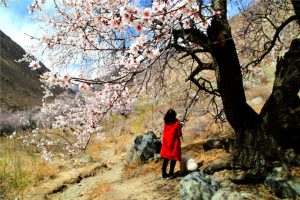

Kunlun Mountain Pass in Golmud, Qinghai

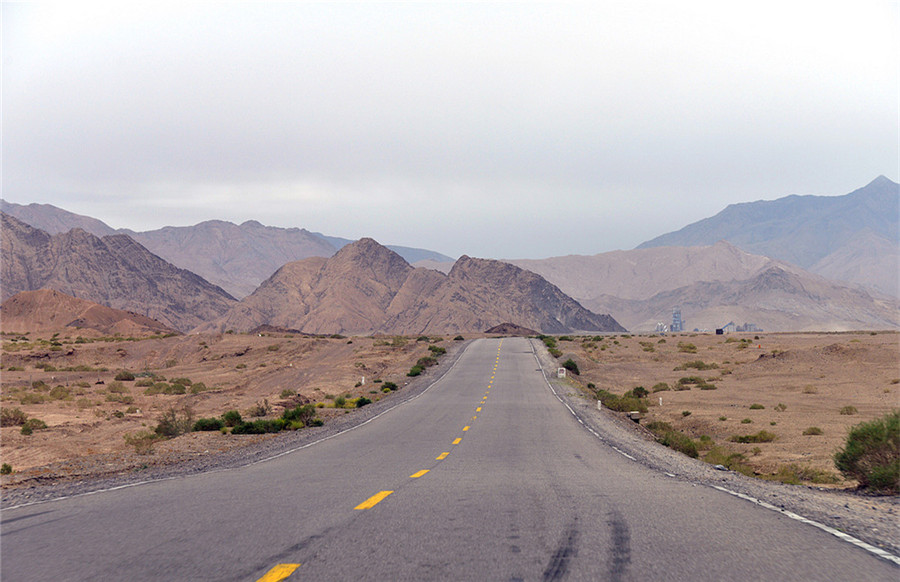
Kunlun Mountain Pass (昆仑山口), located in the southeastern part of Kunlun Mountain (昆仑山) in Golmud (格尔木), Qinghai Province (青海省), is one of the most significant landmarks on the road leading to Tibet. This pass is positioned approximately 160 kilometers south of Golmud (格尔木市) and is a crucial gateway between Qinghai (青海) and Tibet (西藏), particularly for travelers on the Qinghai-Tibet Highway (青藏公路). Often referred to as the “Kunlun Mountain Pass” or the “Kunlun Mountain Gorge,” it serves as an important natural passage through the Kunlun range, which is revered as the “mother of all mountains” in Chinese culture.

The Kunlun Mountains are not only a physical geographical landmark but also a cultural and mythological symbol, featuring prominently in Chinese legends and stories as the dwelling place of gods and the center of cosmic powers. The pass is known for its dramatic landscapes, cold climate, and unique ecological environment.

Key Details

  • Name: Kunlun Mountain Pass (昆仑山口)

  • Location: Golmud (格尔木市), Qinghai Province (青海省), China

  • Elevation: Approximately 3,800 meters (12,467 feet)

  • Climate: Alpine climate (high-altitude, cold, and dry)

  • Nearby Attractions: Nachi Tai (纳赤台) and Qingquan (清泉)

  • Transportation: Accessible via Qinghai-Tibet Highway (青藏公路) and Golmud Railway Station (格尔木火车站)

Geography and Terrain

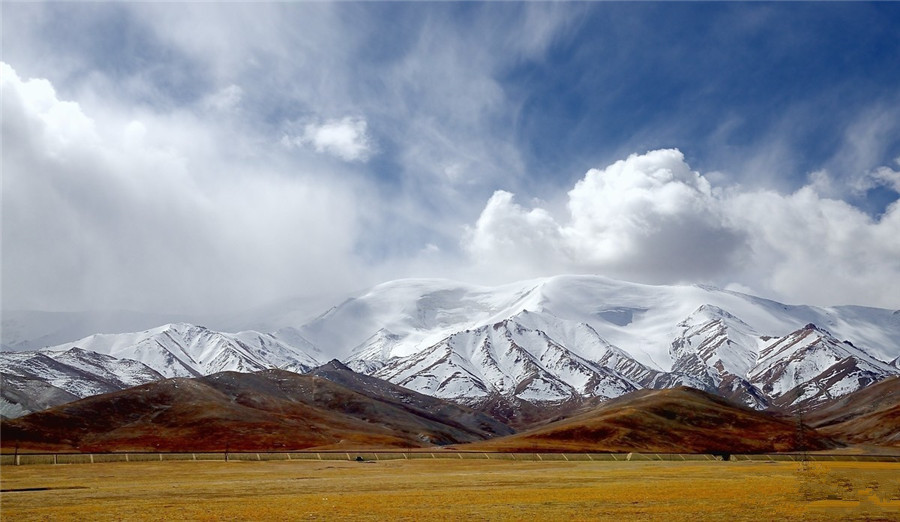
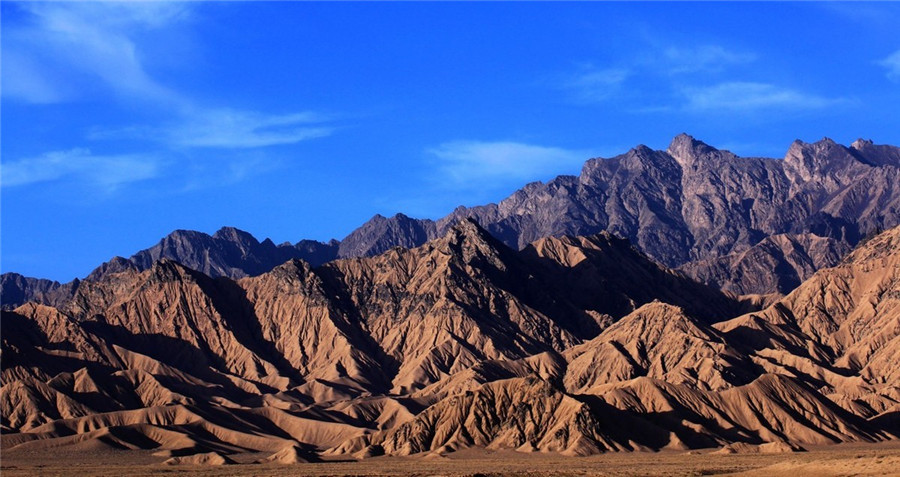
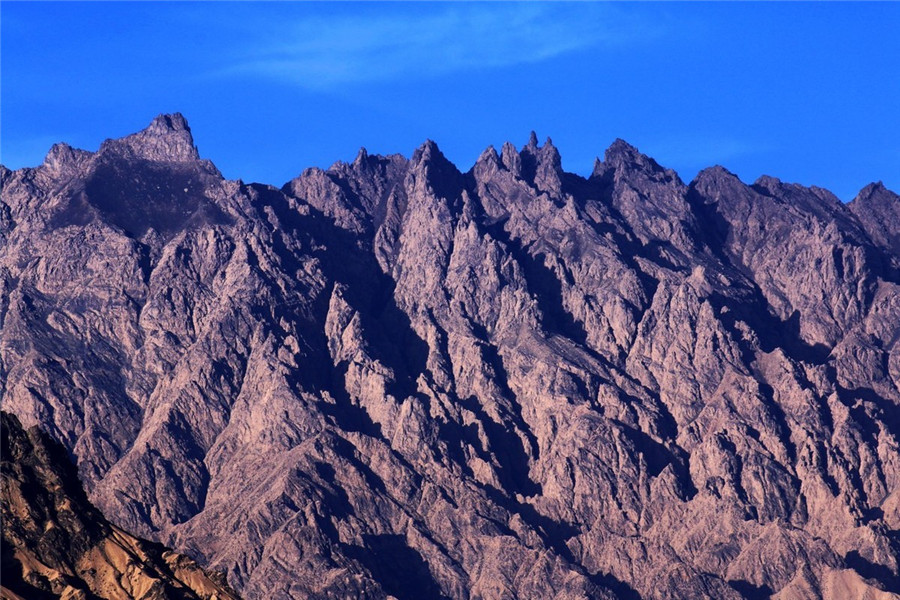
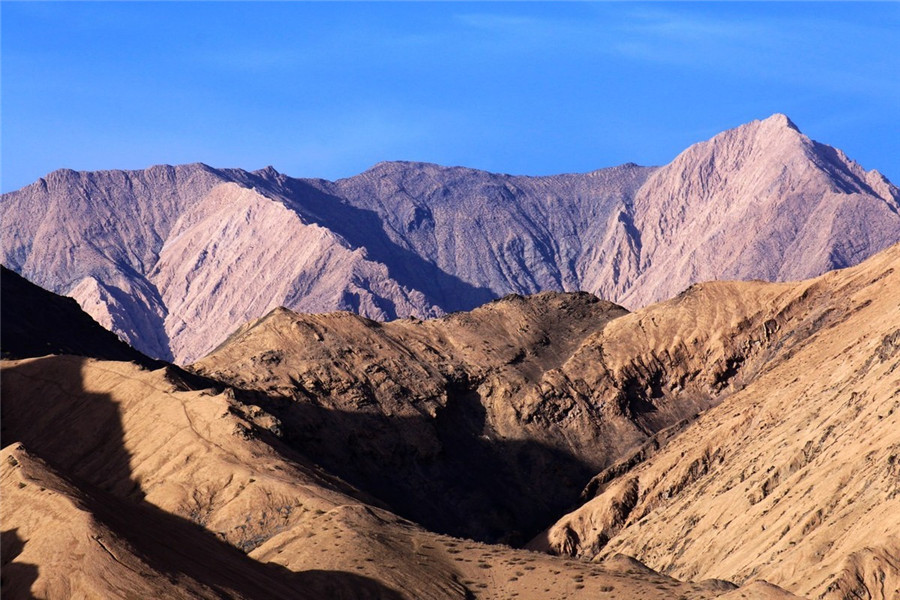
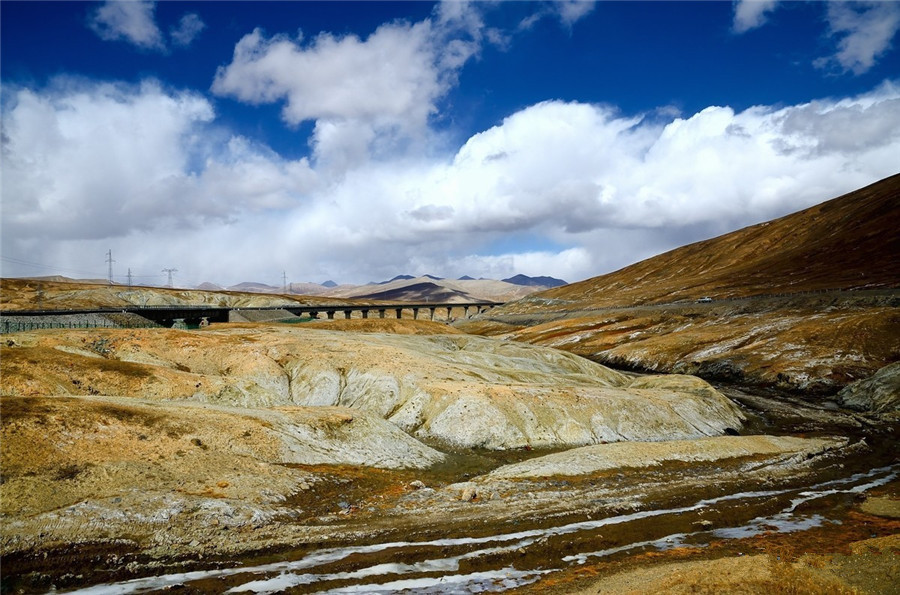
The Kunlun Mountain Pass is situated in a frozen desert landscape with rugged, eroded mountain formations. The geology of the pass includes ancient metamorphic rocks that were shaped by intense erosion over millennia. The area features several hillocks, low mountain ranges, and numerous frozen alpine plants, such as tiger claw grass (虎爪耳草) and meadow thyme (高原植物).

From the summit, the pass offers sweeping views of the Kunlun Mountain Range, where snow-capped peaks rise dramatically against the skyline, especially visible during the winter months when the entire region is covered in a blanket of snow. The landscape, with its high-altitude glaciers, ice cones, and permafrost, offers a stunning visual feast for any visitor.

Natural Wonders

Frozen Ground and Ice Phenomena

The region around Kunlun Mountain Pass features unique ice-related phenomena, such as ice mounds (冰丘) and ice cones (冰锥). These formations are created by the freezing of water in the ground, and some of the ice mounds can reach heights of several meters. When the ice melts or cracks, water springs often erupt from beneath the surface, forming natural fountains.

The area is also home to the famous Kunlun June Snow (昆仑六月雪), where snow persists even through the summer, covering the Yuxu Peak (玉虚峰) and Yuxian Peak (玉仙峰) throughout the year. These snowy mountains are visible from Nachi Tai (纳赤台) and are particularly stunning during the summer when the snow contrasts with the lush greenery of the alpine meadows.

High-altitude Flora

Despite the harsh conditions, the Kunlun Pass is home to a variety of high-altitude wildflowers and alpine grasses, such as green velvet sage (绿绒蒿) and wild lilies (野百合), which bloom in the summer months, adding color to the stark landscape.

Nachi Tai and Qingquan

The Nachi Tai (纳赤台) and its famous Qingquan (清泉), known as the Kunlun Spring (昆仑泉), are some of the most popular natural attractions in the region. Qingquan, a perennial cold spring, never freezes despite the region’s harsh climate. Its water is known for its clarity and purity, contributing to the Kunlun Mineral Water (昆仑矿泉水) that is highly sought after for its health benefits.

The Legend of Kunlun Spring

According to local legend, Kunlun Spring was created when the Queen Mother of the West (西王母) hosted a banquet in the Kunlun Mountains and the Creator God (创造神) spilled nectar from a golden chalice, which formed the spring. The water is crystal clear and continuously flows, providing a refreshing and mineral-rich source in the otherwise barren landscape.

Cultural Significance

The Kunlun Mountains (昆仑山) hold a deep cultural significance in Chinese mythology and Taoist beliefs. Known as the “Mother of All Mountains” and the “Ancestor of the Dragon Vein”, Kunlun has been a sacred place for thousands of years. It is believed to be the residence of various gods and goddesses, particularly the Queen Mother of the West (西王母), a central figure in Taoism.

Taoist Pilgrimage Site

For centuries, Taoist pilgrims have trekked to Kunlun Mountain, seeking spiritual enlightenment and to pay homage to the immortal deities. The site is also famous for the Yaoguang Palace (瑶光宫), a legendary Taoist palace believed to be located in the region.

The passage of Princess Wencheng (文成公主) through Kunlun on her way to Tibet is a key historical and mythological event tied to this area. According to legend, Princess Wencheng, while journeying to Tibet to marry the Tibetan king, stopped at Nachi Tai and discovered the mystical Kunlun Spring, which is considered a divine blessing.

Scenic Features and Tourist Information

How to Get There

  • By Car: From Golmud City (格尔木市), travel south along National Highway G109 (G109国道) for approximately 150 kilometers to reach the Kunlun Mountain Pass.

  • By Train: Visitors can take the Qinghai-Tibet Railway (青藏铁路) and stop at Golmud Railway Station (格尔木火车站), which is well-connected to the pass.

Best Time to Visit

  • The best time to visit Kunlun Mountain Pass is from May to October, when the weather is stable and the high-altitude snow begins to melt, revealing the surrounding wildflowers and lush meadows.

Altitude and Health Tips

  • The Kunlun Mountain Pass sits at an altitude of over 3,800 meters (12,467 feet). Visitors should be aware of altitude sickness and take precautions, including staying hydrated and avoiding strenuous activities.

  • It is advisable to carry an oxygen tank for safety in the high-altitude environment.

Nearby Attractions

  1. Yuxu Peak (玉虚峰): A majestic peak located east of Kunlun Mountain Pass, standing at 6,500 meters (21,325 feet), it is one of the highest mountains in the region and famous for its year-round snow.

  2. Qinghai-Tibet Highway (青藏公路): A scenic highway that cuts through Kunlun Mountain, offering stunning vistas of the surrounding peaks and valleys.

  3. Taoist Temples: Taoist shrines and temples are scattered throughout the Kunlun Mountains, making it an important site for spiritual seekers.