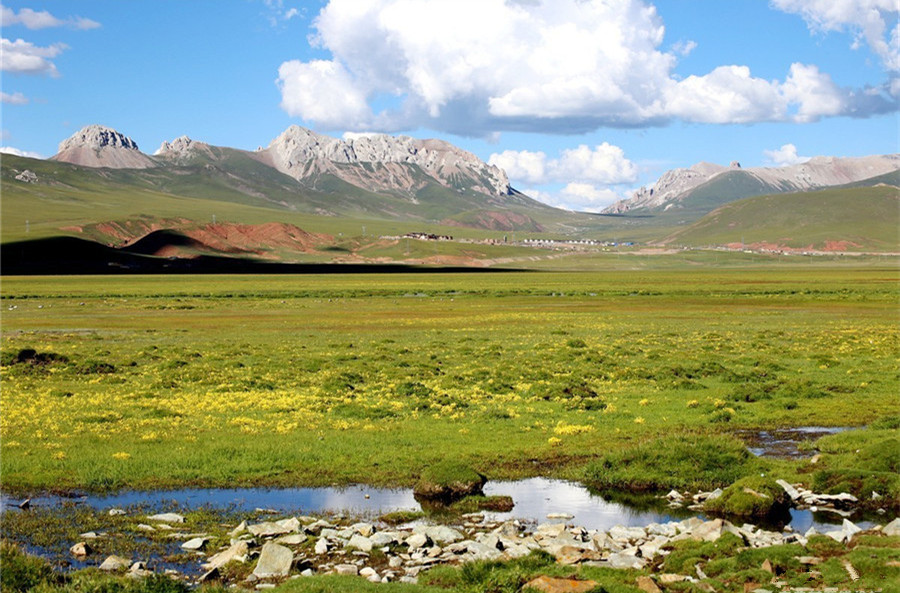
Longbaotan Black-necked Cranes Nature Reserve in Yushu
Longbao Black-Necked Crane Nature Reserve (隆宝滩黑颈鹤自然保护区) is a national-level nature reserve located in Jielong Township (结隆乡), about 80 kilometers northwest of Jiegu Subdistrict (结古街道), Yushu Tibetan Autonomous Prefecture (玉树藏族自治州), Qinghai Province (青海省). The reserve covers an area of 100 square kilometers at an average altitude of 4,200 meters.
It was designated as an International Important Wetland in 2023, with a listed wetland area of 9,500 hectares, becoming the fourth such site in Qinghai. The reserve is famous as the “Hometown of Black-Necked Cranes (黑颈鹤之乡)” and plays a key role in conserving this rare species and its alpine wetland ecosystem.
Geographic Features
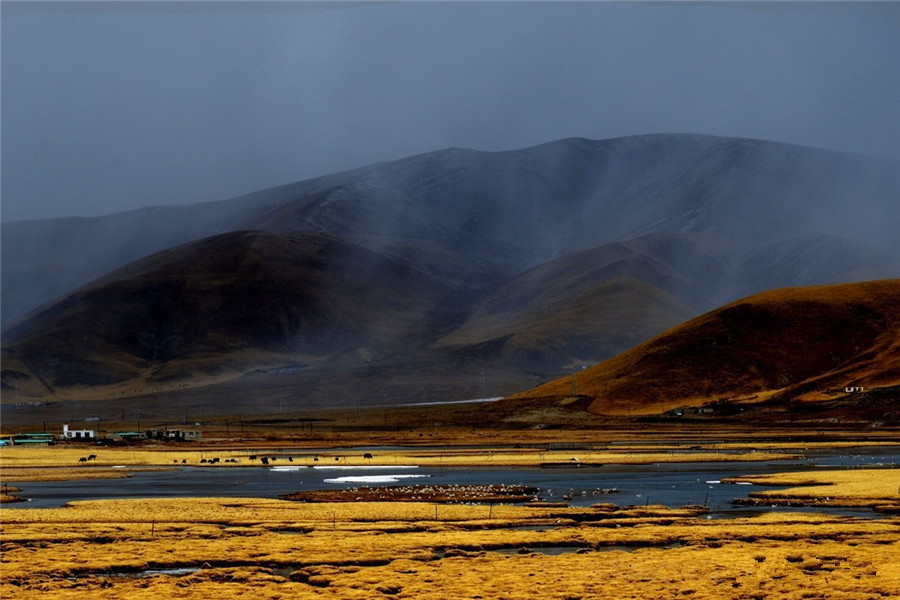
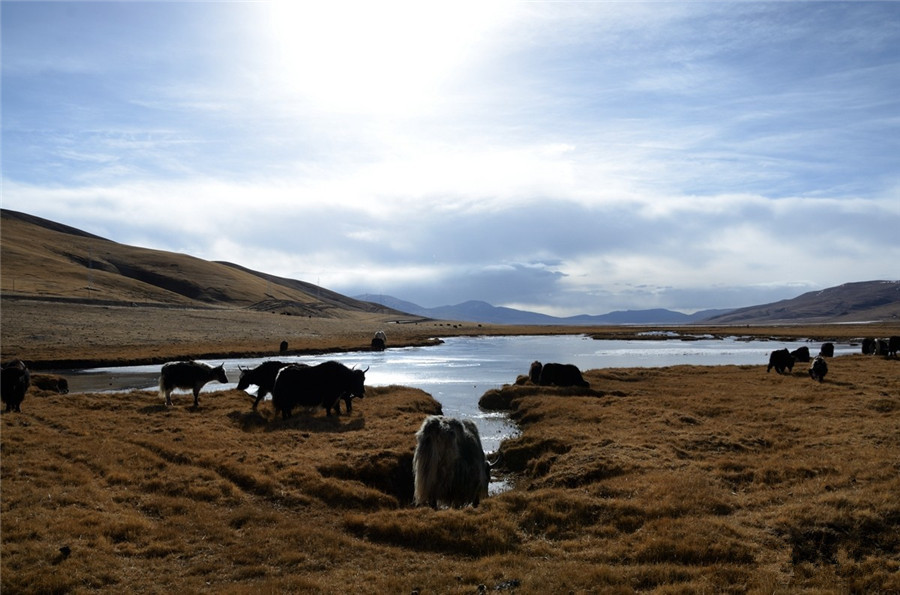
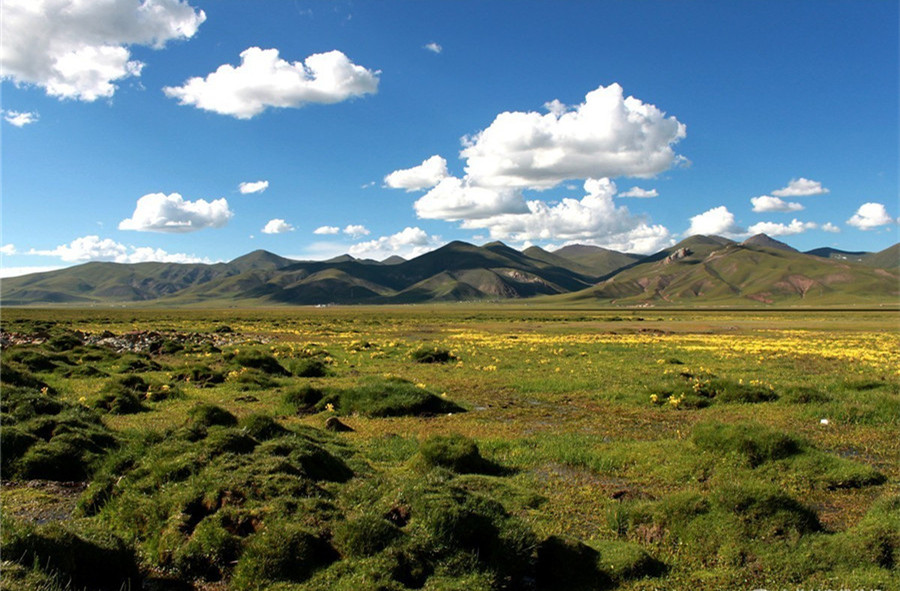
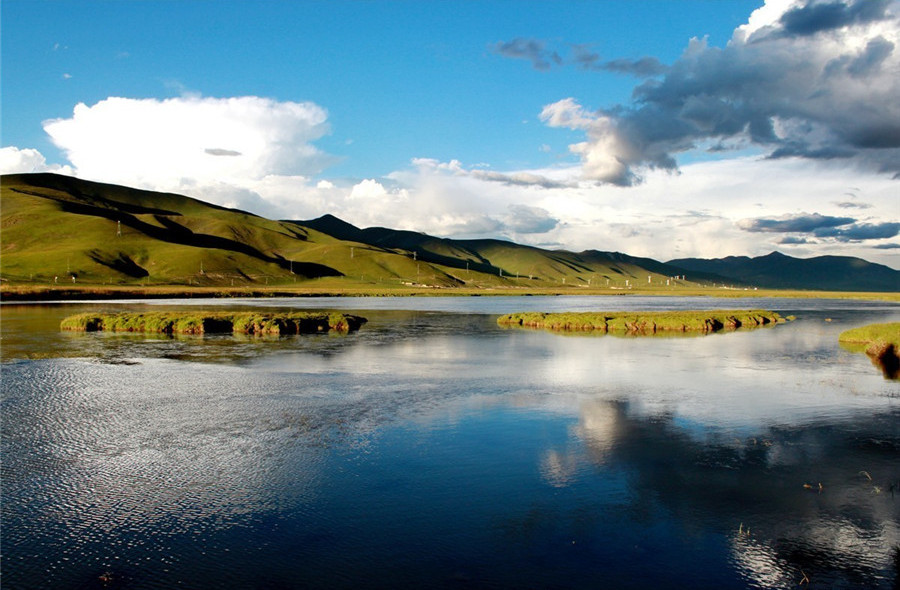
- Topography: A long, narrow basin stretching 25 kilometers east to west. Surrounded by mushroom-shaped mountains, the valley floor is a mosaic of marsh meadows, streams, and shallow lakes.
- Altitude: The basin floor lies at 4,100–4,200 meters, while surrounding mountains rise to 5,000–5,500 meters.
- Hydrology: The Yi River (益曲), a tributary of the Tongtian River (通天河), flows through the reserve, forming five shallow lakes (0.2–0.4 meters deep) and numerous springs.
- Climate: Average annual temperature is –4°C; July averages 9.3°C, January averages –11.1°C. Annual precipitation is about 730 mm, with over 2,300 hours of sunshine per year.
Ecology and Biodiversity
The unique high-altitude marsh meadow environment supports a rich biodiversity:
- Flora: Lush aquatic vegetation, alpine meadow grasses, wild ginseng, and wild potatoes.
- Fauna: Amphibians, reptiles, mollusks, and abundant aquatic organisms thrive in the lakes and marshes.
Birdlife
- Black-Necked Crane (黑颈鹤): A globally rare and endangered crane species, also the provincial bird of Qinghai. The reserve once hosted 22 cranes, now up to 216, making it one of the most important breeding grounds.
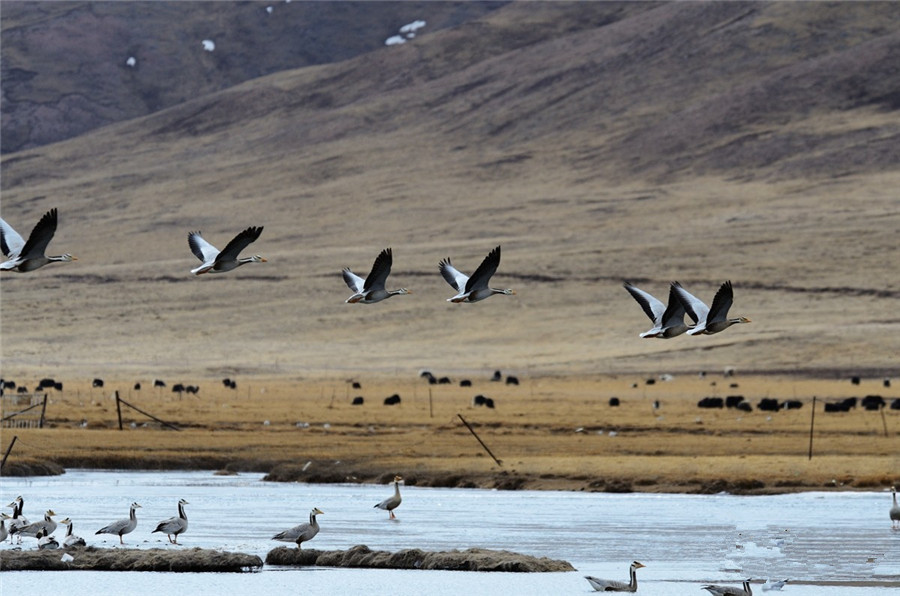
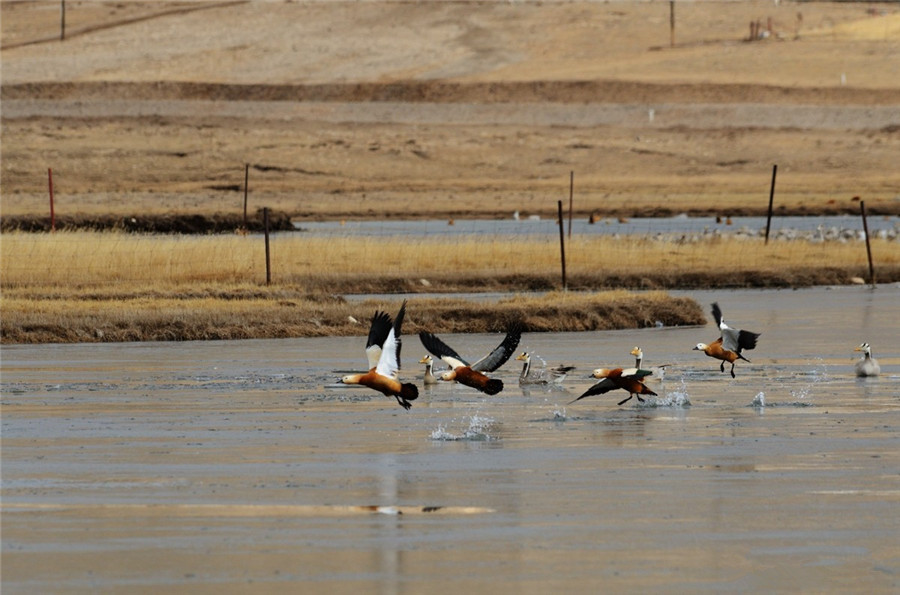
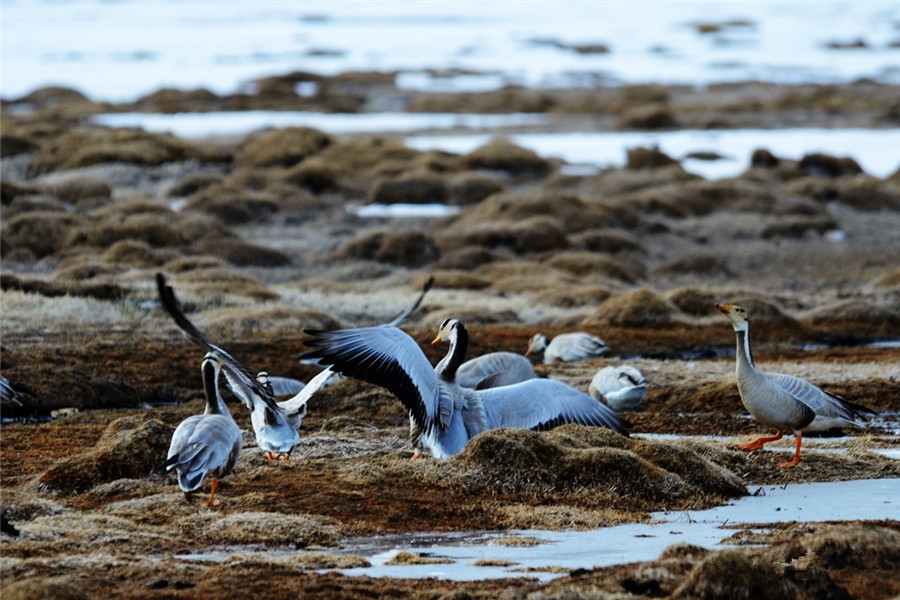
- Other Birds: Bar-headed Geese (斑头雁, over 10,000 individuals), Brown-headed Gulls (棕头鸥), Ruddy Shelducks (赤麻鸭), and Relict Gulls (遗鸥).
- Conservation Status: Home to 5 species of national first-class protected wildlife and 13 species of national second-class protected wildlife.
Conservation Efforts
Qinghai Province has strengthened wetland conservation through the Wetland Protection Law (湿地保护法) and relevant regulations. The province has also established a cooperative enforcement system integrating administration, law, and public interest litigation. Currently, Qinghai’s total wetland area is 7.12 million hectares, accounting for about 12.64% of China’s wetlands.
Travel Tips
- Best Time to Visit: Spring (March–April) and summer (July–August) for bird-watching, when cranes and migratory birds breed.
- Getting There: Located 80 km from Jiegu (结古街道), the prefectural capital of Yushu, accessible by road. Consider renting a vehicle due to limited public transportation.
- Altitude Preparation: The reserve lies above 4,200 meters—visitors should acclimatize in Yushu city before visiting.
- What to Bring: Binoculars, camera with zoom lens, sun protection, warm clothing, and snacks for field observation.
- Etiquette: Keep a respectful distance from wildlife. Do not feed or approach the cranes. Stay on designated paths to protect the fragile wetland ecosystem.
- Nearby Highlights: Combine your visit with the source region of the Tongtian River (通天河) and Tibetan cultural sites in Yushu.