Dênggar Township of Saga County in Shigatse
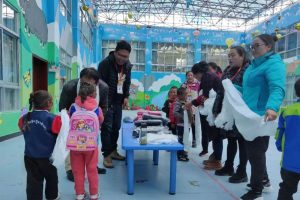
Danga Township (旦嘎乡) is located in the eastern part of Saga County (萨嘎县), Shigatse (日喀则市), Tibet Autonomous Region (西藏自治区), China. It is a pastoral area that plays a key role in the county’s rural revitalization efforts. The township covers an area of 890.61 km² and is home to a population of approximately 2,500 people (as of April 2023).
Overview of Danga Township
-
Location: Saga County, Shigatse, Tibet
-
Area: 890.61 km²
-
Population: Approx. 2,500 (as of 2023)
-
Postal Code: 858000
-
Main Villages: Jianbanu, Danga, Sadang (萨当村)
-
Government Seat: Danga Village (旦嘎村)
-
Climate: Plateau climate
-
Primary Industry: Livestock farming, especially yak, sheep, and goat herding
History and Development
Established in 1961, Danga was initially set up as Danga District (旦嘠区) and later became a township in 1988. The township has since grown into a vibrant community with significant developments in infrastructure and rural revitalization.
Infrastructure and Rural Revitalization
In 2022, a rural infrastructure construction project was launched with the help of central government funds aimed at rural revitalization. The project included building a water diversion system, disinfection facilities, and sedimentation pools, along with the installation of a 10KV power line and a transformer.
From 2021, under the rural revitalization strategy, projects aimed at improving living conditions in Sadang Village (萨当村) and Jianbanu Village (坚巴奴村) saw a total investment of 65.87 million RMB. This included the promotion of waste management systems such as “household collection, village classification, township transfer, and county treatment.”
Economy and Livelihood
The primary industry in Danga Township remains livestock farming, contributing over 85% of the township’s total economic output. In 2024, the township saw improvements in road infrastructure, including road hardening projects for Sadang and Jianbanu villages.
In addition to farming, the community benefits from the development of local cooperatives, which help boost the livestock sector. The rural revitalization efforts have led to higher disposable incomes, with per capita income reaching 18,000 RMB in 2024.
Public Services
Danga Township offers essential public services, including a standardized health clinic and several village-level health centers. The education system in the township boasts a 100% enrollment rate for school-aged children, ensuring all children have access to education.
Ecological Protection
As part of Saga County’s ecological management system, Danga Township has implemented green initiatives, including the greening project for villages above 4,500 meters. The project focuses on animal husbandry separation by constructing standardized livestock pens, with a total of 130 pens built to date.
Key Attractions in Danga Township
Nujong Monastery
Located in the Danga Township, Nujong Monastery (努贡寺) is a Nyingma school (宁玛派) Buddhist monastery founded in 1182. It is home to ancient relics, including Ming Dynasty (明代) murals and a 15th-century gilded copper statue of Padmasambhava (莲花生大士). The monastery is a county-level cultural heritage site and a significant religious destination for visitors.
Danga Gya Xie
Danga Gya Xie (旦嘎甲谐) is a national-level intangible cultural heritage showcasing traditional Tibetan dance and song performances during major festivals like the Tibetan New Year (藏历新年). The performances reflect the brave and rugged character of the Tibetan people, making it a fascinating cultural experience for visitors.
Transportation and Routes
By Car
Danga Township can be reached by car from Saga County (萨嘎县), traveling 58 kilometers along G219 National Highway. Afterward, take an additional 8 kilometers on a gravel road to reach Nujong Monastery.
Public Transport
For those using public transport, bus services between Saga County and Danga Township are available, though it is recommended to check with the local transport stations for specific schedules and routes.
Travel Tips and Guidelines
Cultural Etiquette
When visiting the Nujong Monastery or participating in local cultural events like Danga Gya Xie, visitors are expected to respect religious customs. This includes walking clockwise around prayer wheels and following temple etiquette.
Best Time to Visit
The best time to visit is during the Tibetan New Year (usually between February and March) when visitors can experience the colorful Danga Gya Xie performances. However, be prepared for the harsh winter cold with temperatures dropping as low as -25°C.
Surrounding Attractions
Peku Tso Lake
Located along the G219 National Highway, Peku Tso Lake (佩枯措) is a stunning high-altitude lake. It offers spectacular views, including reflections of Xixiabangma Peak (希夏邦马峰), which is the 14th highest peak in the world. The lake is about 2 hours by car from Danga Township.
Dajiling Monastery
Dajiling Monastery (达吉岭寺), established in the 16th century, is a unique fusion of Hinayana (显教) and Vajrayana (密宗) Buddhist cultures. The monastery is an excellent spot for photography enthusiasts interested in capturing the beauty of Tibetan architecture and landscape.