
Rewu Monastery in Daocheng County, Garze

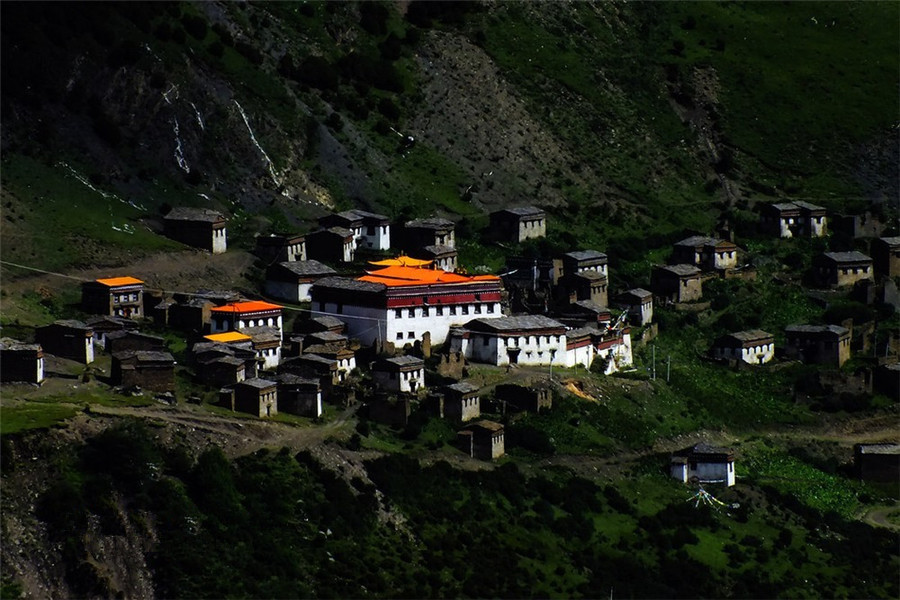
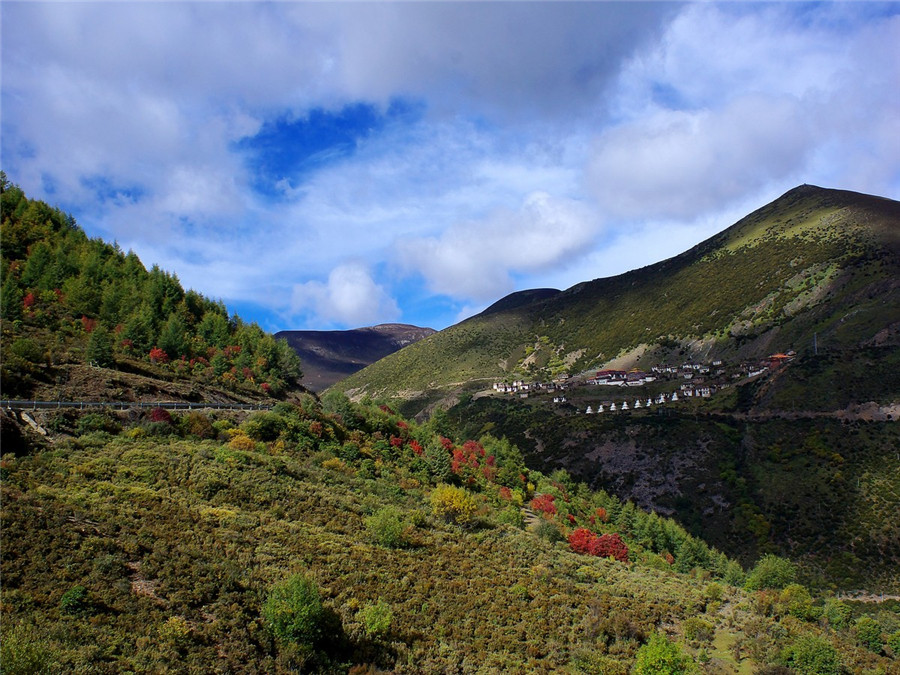
Rewu Monastery (热乌寺) is a historical Tibetan Buddhist monastery located in the Bowa Mountain area (波瓦山) of Selai Township (色拉乡), Daocheng County (稻城县), Garze Tibetan Autonomous Prefecture (甘孜藏族自治州), Sichuan Province (四川省), China. Built during the early Ming Dynasty (明朝), this sacred site has over 600 years of history and covers an area of 20 acres. The monastery is known for its spectacular setting and its connection to Tibetan Buddhism, with a unique division into two parts: Upper Rewu Monastery (上热乌寺), associated with the Kagyu Sect (白教), and Lower Rewu Monastery (下热乌寺), linked to the Sakya Sect (花教).

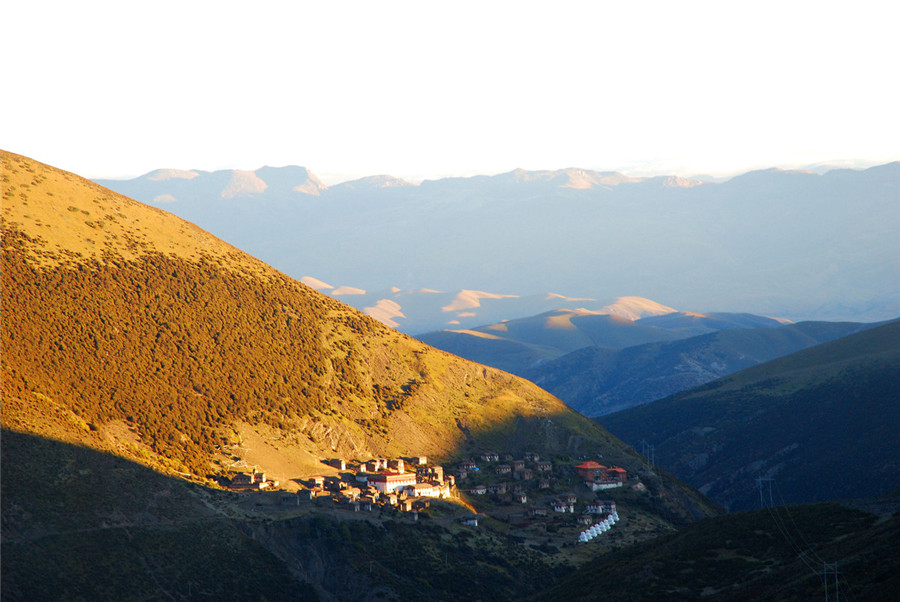
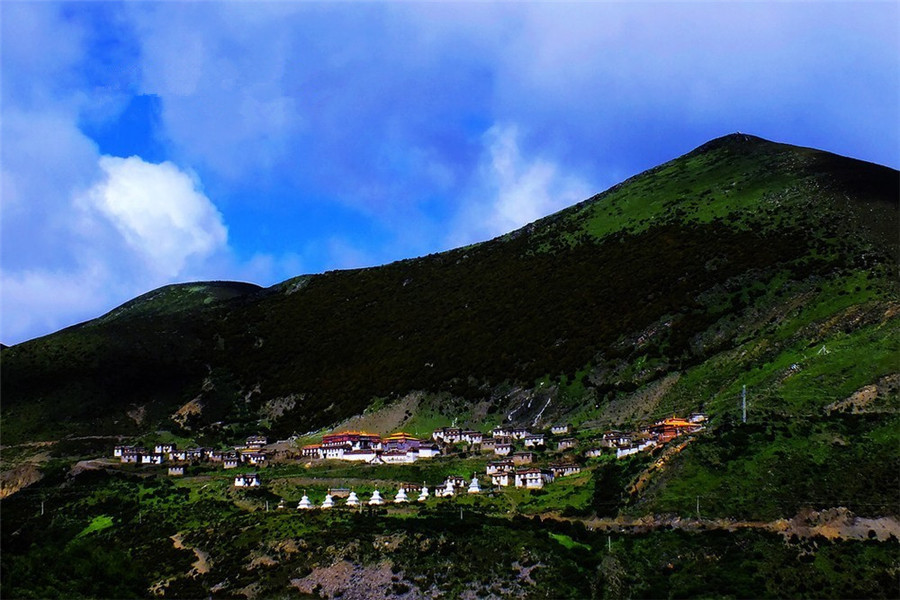
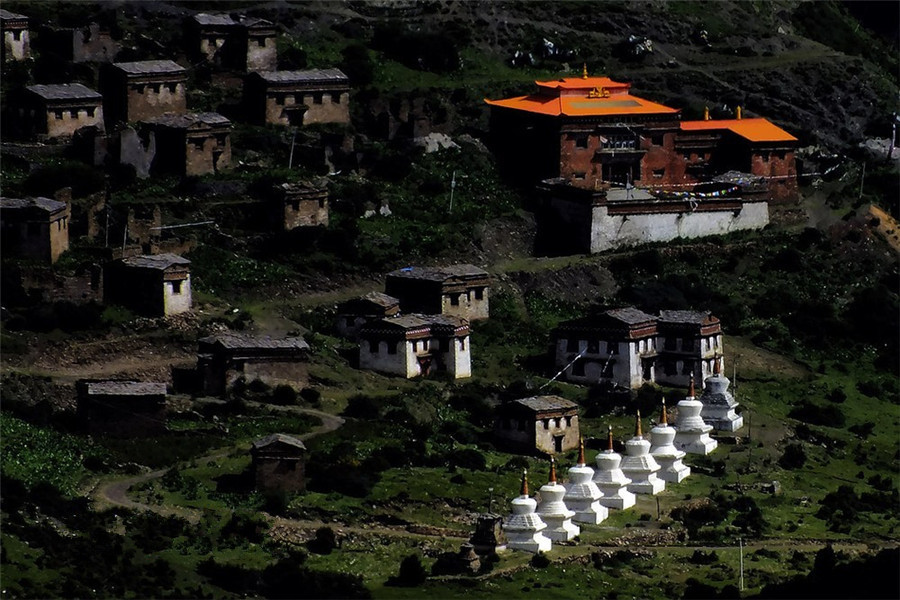
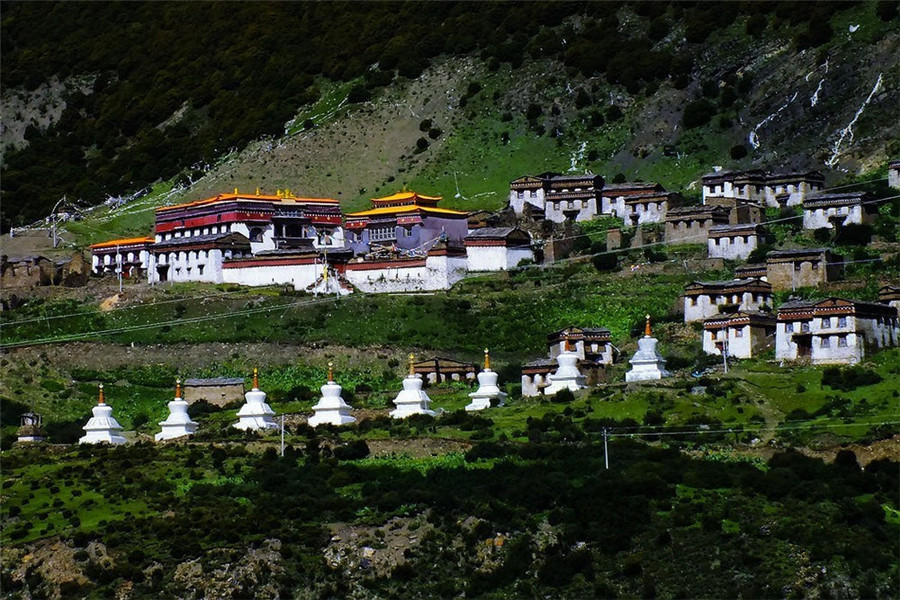
The monastery is perched on the mountainside, offering breathtaking views of the surrounding valley. Its iconic white stupas (白塔), which line the front of the monastery, stand out dramatically against the rugged, grayish landscape, making it an ideal spot for distant viewing.

Historical and Cultural Significance

Rewu Monastery was established during the early Ming Dynasty (明朝初期), making it a 600-year-old cultural and religious landmark. The monastery is dedicated to the practice of Tibetan Buddhism and serves as an important site for spiritual gatherings and rituals. It features a collection of golden Tibetan thangka paintings (金绘唐卡), statues of Buddhas, and various ritual implements used in Buddhist ceremonies.

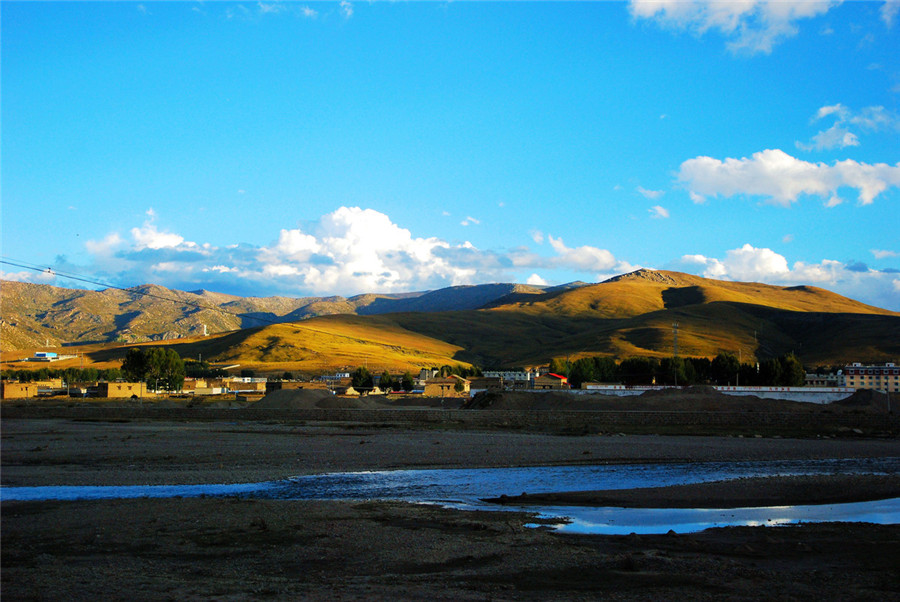
In addition to its rich religious history, the monastery is surrounded by the vast, rugged beauty of the region, with mountains, meadows, and grazing cattle offering a serene and peaceful environment. The site is a perfect representation of Tibetan culture, where the natural landscape blends harmoniously with spiritual traditions.

Key Features of Rewu Monastery

  • Historical Significance: Dating back to the early Ming Dynasty, Rewu Monastery is a 600-year-old symbol of Tibetan Buddhism and culture.

  • Architectural Beauty: The monastery is built into the hillside, with white stupas positioned at the front, creating a striking contrast with the surrounding barren landscape.

  • Tibetan Buddhist Influence: The monastery is divided into two sections — Upper Rewu Monastery (白教) belonging to the Kagyu Sect and Lower Rewu Monastery (花教) linked to the Sakya Sect, showcasing the diversity of Tibetan Buddhist traditions.

Cultural Treasures and Artistic Value

Inside the monastery, visitors can find 10 golden thangka paintings (金绘唐卡), depicting various Buddhist deities, as well as statues of Buddhas and important Buddhist ritual tools. These religious artifacts and artworks reflect the deep cultural and spiritual roots of the Tibetan people. The golden glow of the architecture, when illuminated by the sunlight, makes it even more magnificent against the otherwise barren landscape.

In August 2022, the Daocheng Natural Resources Bureau launched a landslide management project for the Upper Rewu Monastery area, ensuring the structural safety and preservation of this historic site.

Stunning Surroundings and Natural Beauty

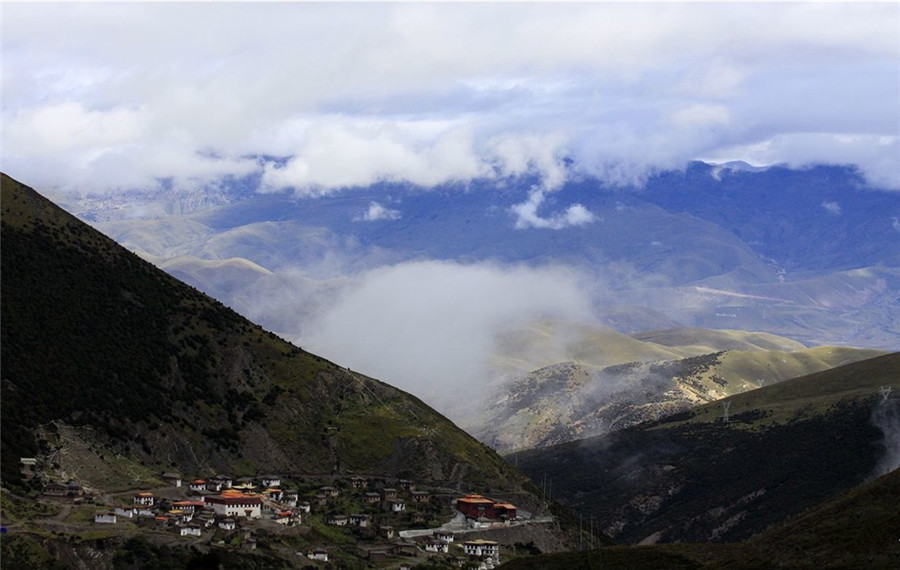
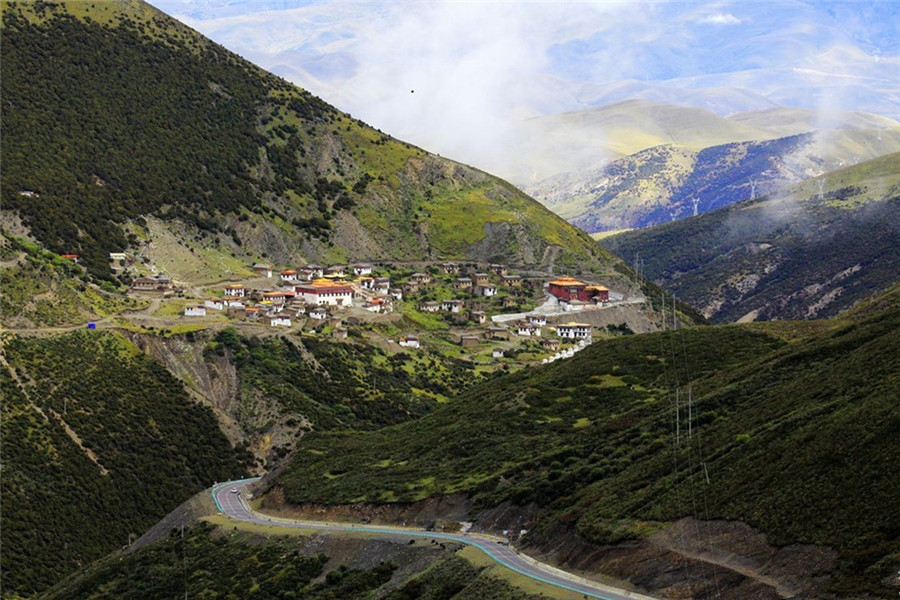
Rewu Monastery is located in a remote and rugged region, surrounded by grayish bushes and bare sand areas, creating a stark and dramatic backdrop. The monastery sits amidst the Bowa Mountain (波瓦山), and as visitors ascend in altitude, the views become more expansive and breathtaking. The landscape features wide grasslands dotted with cattle and sheep, offering a serene atmosphere that perfectly complements the cultural and spiritual ambiance of the monastery.

Natural Beauty Highlights

  • Mountain Views: The monastery offers panoramic views of the surrounding mountains, grasslands, and cattle herds, creating a tranquil and picturesque environment.

  • Barren Landscape: The grayish and barren background enhances the dramatic presence of the monastery, making it a unique and unforgettable sight.

  • Spiritual Serenity: The combination of the monastery’s sacred architecture and the natural landscape offers a sense of peace and quiet, ideal for reflection and spiritual experiences.

Visiting Rewu Monastery

Recommended Visit Duration

A visit to Rewu Monastery typically lasts 1-3 hours, depending on how much time you wish to spend exploring the monastery and surrounding area. The peaceful environment allows visitors to relax, reflect, and enjoy the view.

Opening Hours and Ticket Information

  • Opening Hours: The monastery is open all day for visitors to explore and enjoy the surroundings.

  • Entrance Fee: The monastery is free to visit.

  • Visiting Time: The best time to visit is during the spring or autumn, when the weather is mild and the natural beauty of the area is at its peak.

How to Get There

  • Self-driving: From Daocheng County (稻城县), take S216 Provincial Road (S216省道), and the monastery is approximately 18 kilometers (26 minutes by car) from the county town.

  • Public Transport: It is advisable to check with local transport providers for options to reach the monastery, as the area is relatively remote.