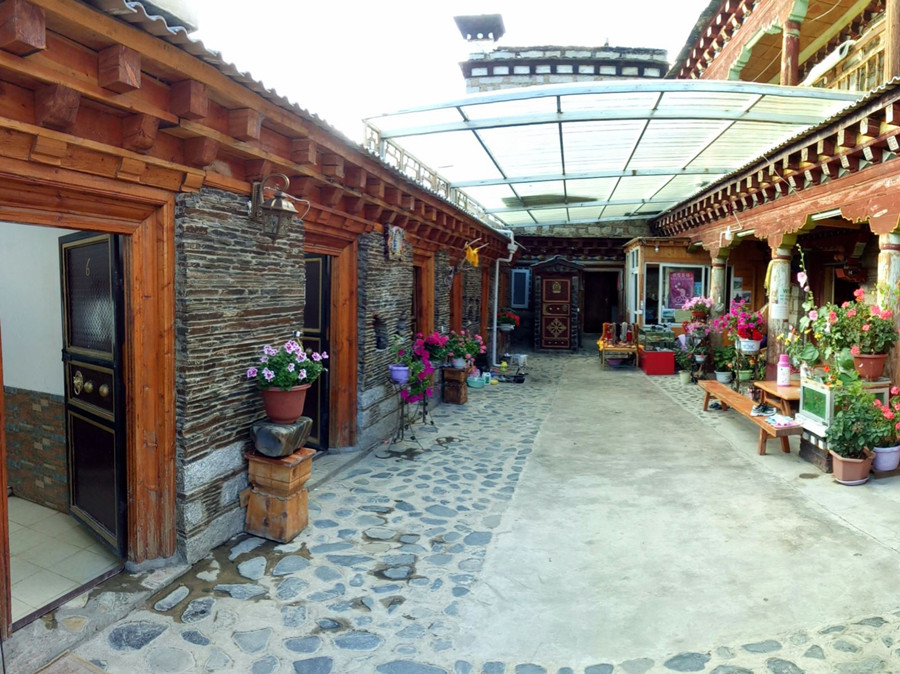
Rupuchaka Hot Spring in Daocheng County, Garze
Located at the northern foot of Gompa Mountain (贡巴山) in Daocheng County (稻城县), Garzê Tibetan Autonomous Prefecture (甘孜藏族自治州), Rupuchaka Hot Spring (茹布查卡温泉), also known as Chahe Hot Spring (查合温泉), is a renowned highland hot spring famous for its health benefits. Situated about 3 kilometers southwest of the county town, this calcium-rich hot spring has become a popular destination for both locals and tourists, offering a unique blend of natural beauty and therapeutic qualities.
Overview of Rupuchaka Hot Spring
Rupuchaka Hot Spring’s name originates from the Tibetan language, where “Rupu” means “friend”, and “Chaka” means “hot spring”. This name reflects the welcoming nature of the spring, offering relief and comfort to those who visit. It is also referred to as Chahe Hot Spring, after the local name “Chahe” (查合).
The hot spring’s water temperature ranges from 68°C to 80°C at the exit, with a high water flow of approximately 7,000 cubic meters per day. The water is clear, odorless, colorless, and free from sulfur, making it not only ideal for bathing but also drinkable. The spring has a variety of health benefits, including promoting circulation, relieving muscle tension, regulating the endocrine system, treating skin conditions, and contributing to longevity. Local Tibetan communities, especially those living near the spring, are known for their remarkably long life spans.
Historical and Cultural Significance
The Legend of Rupuchaka Hot Spring
According to local Tibetan legend, the area around Rupuchaka Hot Spring was once home to a cold, icy stream that plagued the villagers with its harsh, bone-chilling waters. The villagers’ skin would grow rough and cracked from constant exposure to the freezing water, which was unsuitable for daily use. After many years of suffering, the villagers began praying fervently to the heavens for a warm spring to ease their burdens.
Their prayers were answered when, one day, three beautiful celestial sisters appeared from the mist and descended from the sky, riding white horses. As they bathed in the cold stream, they commented on the extreme chill of the water, which deeply moved them. Although they initially could not warm the stream, they promised to help the villagers and returned to the heavens with a feeling of regret. However, their persistent prayers eventually touched the hearts of the sisters, who decided to sacrifice themselves for the people.
The three sisters returned to the village and transformed into three hot stones, allowing the previously cold stream to warm up and flow gently. The spring now flows from the fissures in the rocks, offering warm, soothing water year-round. The villagers named the spring “Rupuchaka,” or “the spring of friends,” in honor of the celestial sisters who had granted them this precious gift. The three rocks at the edge of the spring were named “Bumu Ben Song” (布母本松), which means “Three Sisters,” and the villagers continue to honor these stones through regular offerings and prayers.
Health Benefits of Rupuchaka Hot Spring
Therapeutic Qualities
Rupuchaka Hot Spring is widely regarded for its healing properties. The water’s composition, rich in calcium, is known to have skin-softening effects, leaving the skin feeling smooth and refreshed after a bath. Long-term exposure to the spring is believed to contribute to overall well-being, including immune system regulation, detoxification, and treating skin ailments.
Some of the specific benefits include:
-
Improved blood circulation
-
Muscle relaxation
-
Endocrine function regulation
-
Detoxification and skin rejuvenation
Many of the local Tibetan residents who live near the spring are noted for their longevity, as they regularly use the water for both bathing and drinking.
Visiting Rupuchaka Hot Spring
Location and Accessibility
Rupuchaka Hot Spring is located 3 kilometers southeast of Daocheng County (稻城县), at the northern foothills of Gompa Mountain (贡巴山). The area is situated at an altitude of 3,747 meters (12,293 feet) above sea level, offering visitors a chance to experience the natural beauty of the highland landscape while enjoying the therapeutic properties of the hot spring.
Facilities and Tourism Development
Since the rise of Daocheng Yading Tourism (稻城亚丁旅游) in the 1990s, local villagers have adapted their traditional Tibetan-style homes to accommodate family-run hot spring pools, forming a small cluster of homestays around the area. These homestays provide tourists with a chance to immerse themselves in both the hot spring water and Tibetan culture, while also enjoying the surrounding natural beauty.
In 2023, an official research team emphasized the importance of preserving and enhancing the management and services around the hot spring to meet the growing tourist demand. The development of tourism resorts with a distinctive Khampa cultural theme has turned the area into a major tourist attraction in Daocheng, ranking it as a must-experience destination for visitors.
Cultural and Spiritual Importance
The legend surrounding Rupuchaka Hot Spring is deeply intertwined with Tibetan spiritual beliefs. The three celestial sisters represent the divine protection and sacred blessing bestowed upon the local community. The ongoing rituals and prayers, particularly the offerings made to the “Three Sisters” stones, underscore the cultural and religious significance of the spring to the Tibetan people.
In addition to its health benefits, the hot spring is also seen as a symbol of spiritual rejuvenation, providing not only physical relief but also a sense of connection to the divine and the natural world.
Practical Information
Best Time to Visit
The ideal time to visit Rupuchaka Hot Spring is during the spring and summer months (April to September), when the weather is milder and the surrounding landscapes are lush and green. Winter months can be very cold due to the high altitude, so visitors should be prepared for cold conditions and high-altitude weather.
Facilities
The area surrounding the hot spring has been developed with Khampa-style tourist resorts that provide comfortable accommodations, restaurants, and cultural performances. Visitors can enjoy a relaxing bath in the hot spring pools while watching traditional folk dances and soaking in the beautiful sunshine.
How to Get There
-
By car: The hot spring is about a 30-minute drive from Daocheng County (稻城县). The road to the spring is well-maintained, and visitors can use 4-wheel drive vehicles for easy access.
Tips for Visitors
-
Altitude Awareness: Daocheng County is located at a high elevation (3,747 meters), so visitors should be aware of the symptoms of altitude sickness and take appropriate precautions.
-
Respect Local Customs: As the spring is culturally and spiritually significant to the local Tibetan community, visitors are encouraged to respect local customs and participate in rituals where appropriate.