Maxionggou Valley in Xiangcheng County, Garze

Maxionggou Valley, also known as Ma Xiong Gou (马熊沟), is located in Shagong Township (沙贡乡) within Xiangcheng County (乡城县), Garze Tibetan Autonomous Prefecture (甘孜藏族自治州), Sichuan Province (四川省), China. It serves as a critical transit route between Shangri-La (香格里拉), Yunnan Province and Daocheng Yading (稻城亚丁), a famous scenic area. The valley earned its name due to the presence of black bears (马熊), which roam in the canyon. It is also known by the ominous moniker of “Shangri-La Devil’s Death Valley” (香格里拉魔鬼死亡谷), associated with a local legend involving a demon’s fall into the canyon. The valley is celebrated for its majestic, rugged, and pristine natural beauty.

Geographic Features

Maxionggou Valley is located in the eastern Hengduan Mountain Range (横断山脉) on the southeastern edge of the Tibetan Plateau (青藏高原). The valley stretches about 35 kilometers and reaches a maximum altitude of 5,096 meters (16,417 feet) at its highest peak, and the lowest point is around 2,800 meters (9,186 feet).

The valley’s cliffs are sharply cut, and its landscape is strikingly dramatic, with exposed white limestone formations that contrast beautifully with the lush greenery along its slopes.

Four Major Scenic Features

Majestic Landscape

The valley is known for its immense mountains, with cliffs rising over 2,000 meters (6,561 feet) on each side. The main peak (主峰) towers with a vertical cliff face that rises over a kilometer high, giving rise to the “One Line Sky” (一线天) landscape where the sky appears as a narrow slit between the peaks. In winter, the area above the snow line is covered with perpetual snow, creating a stunning visual contrast with the bare rocky layers.

Karst Geomorphology and Unique Stones

The valley floor (谷底) is home to karst landforms, including caves, stalagmites, and pillar-like rock formations. The valley is also rich in rare plant species such as alpine oaks (高山栎), spruces (云杉), and more than 200 other species of flora. In certain sections, the valley hosts pristine fir forests (原始冷杉林), contributing to its raw and untouched atmosphere.

Dangerous Terrain

The Lixiang Highway (理乡公路), which runs along the northern edge of the valley, is carved directly into the cliffs. It features sharp bends and extreme slopes, with some sections having a 28-degree incline, making the road extremely treacherous and requiring careful driving. The road safety patrol (道路安全巡查) is regularly conducted to ensure safe passage, especially after snowfalls or heavy rains.

Beautiful Streams and Waterfalls

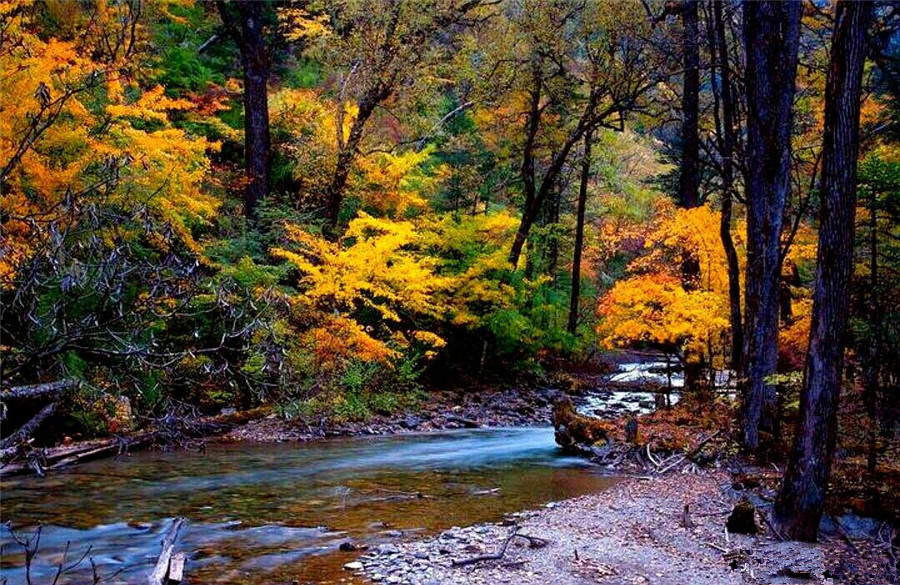
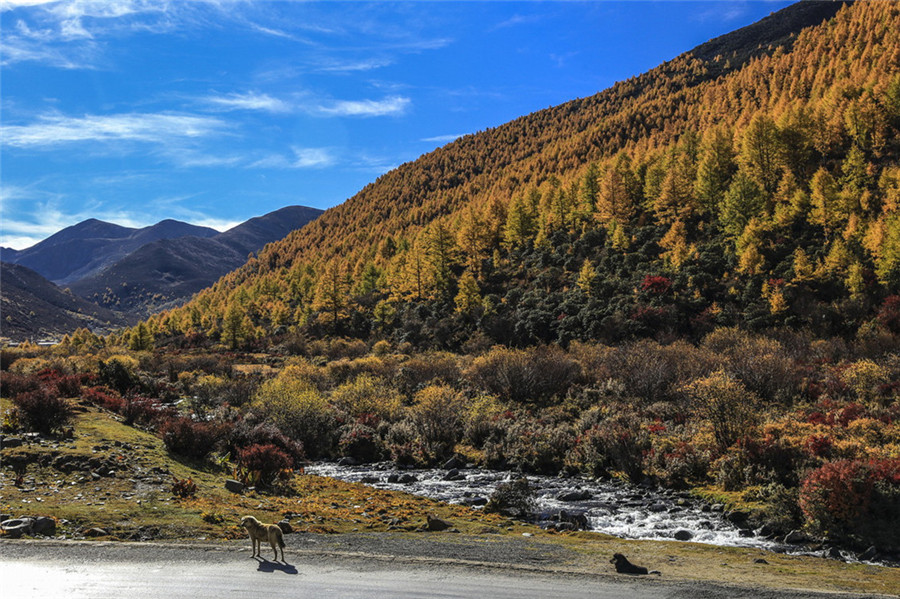
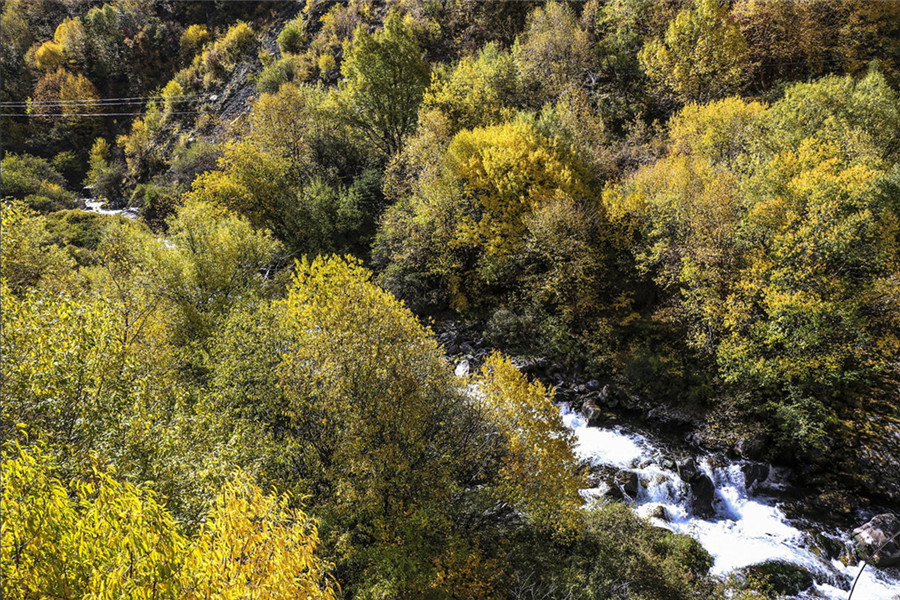
Maxionggou Valley is dotted with streams and springs, creating a serene environment. The Chacheng River (查呈河) has an average annual flow rate of 13.6 cubic meters per second (立方米/秒) and forms a series of six waterfalls (六级瀑布群) in the valley. In the summer, the valley is adorned with rhododendrons (杜鹃花) that stretch for 3 kilometers along the streams. In autumn, the maple trees (枫树) turn vibrant, painting the valley in a rich tapestry of colors.

Transportation and Location

As a key stop on the Yunnan-Sichuan tourism loop, Maxionggou Valley is conveniently located for travelers heading towards Daocheng Yading (稻城亚丁). It is situated 128 kilometers (2.5 hours by car) from Daocheng Yading and 216 kilometers (4 hours by car) from Shangri-La (香格里拉). The S217 Provincial Road (S217省道) passes through the valley, and the area sees over 300 vehicles daily, especially during the peak tourist seasons.

Legend and Name Origin

The valley’s name in Tibetan is “Chaxiangduo” (察香多), meaning “Iron Smith Valley” (铁匠沟). The name “Maxionggou” (马熊沟), or “Black Bear Valley”, was inspired by reports in the late 19th century of 12 black bears seen in the area. A popular local legend tells the story of a demon who, pursued by King Gesar (格萨尔王), fled into the valley and fell from a cliff to its death, giving rise to the name “Devil’s Death Valley” (魔鬼死亡谷).

Legendary and Mystical Atmosphere

Travelers who pass through Maxionggou Valley are often struck by its mysterious and beautiful atmosphere. The area is a natural gallery, untouched by modern civilization, offering visitors a sense of tranquility and awe. The pristine landscapes are complemented by towering peaks, lush forests, and crystal-clear streams, creating a living Chinese landscape painting (中国山水画).

As visitors walk through the canyon, they encounter towering trees, vibrant foliage, and dramatic cliffs covered with rock fig trees and vines. The mountain peaks are not only majestic but resemble human figures and animals such as “The King on a March” (国王出征) and “The Lovers’ Secret Meeting” (情人幽会), evoking a sense of artistic imagination.

A Perfect Destination for Eco-Tourism and Adventure

Maxionggou Valley is regarded as a paradise for ecotourism and a mecca for adventurers. The valley offers a combination of natural beauty, historical intrigue, and adventure opportunities, making it an excellent destination for anyone seeking both relaxation and a challenge.

Visitors can hike through its lush forests, witness the unique karst landscapes, and appreciate the impressive geology that defines the region. The valley is also home to wildlife such as birds and mammals, making it an ideal spot for wildlife enthusiasts.