Zongshan Hill in Gyangzê County, Shigatse

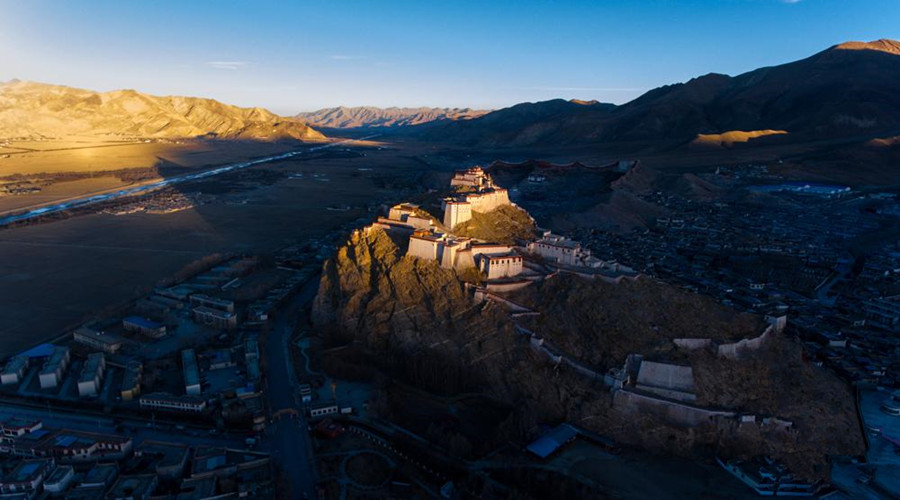
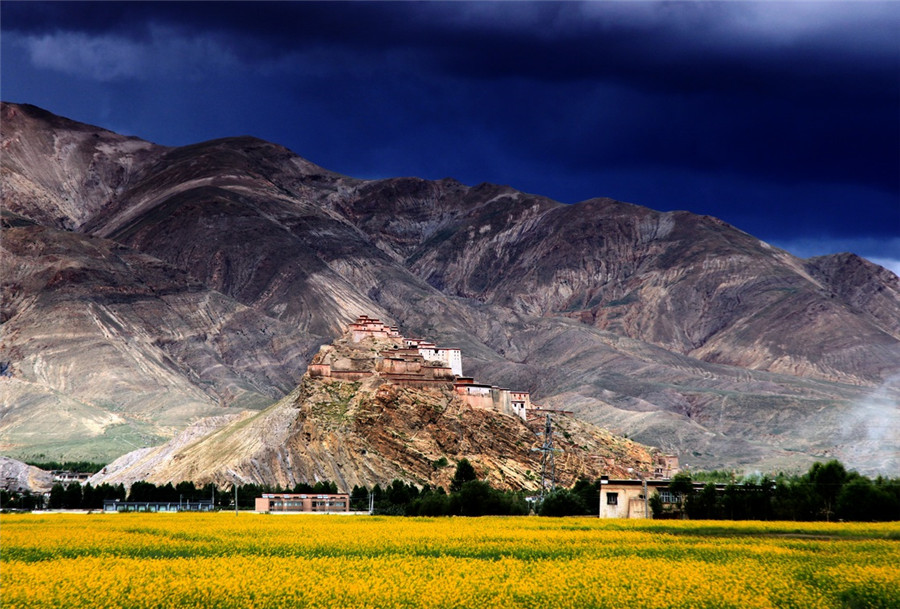
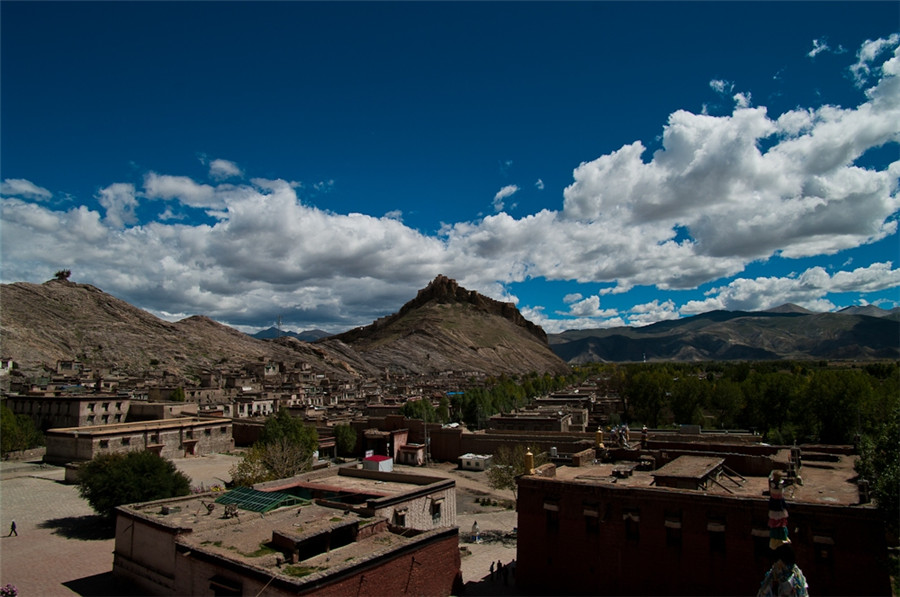
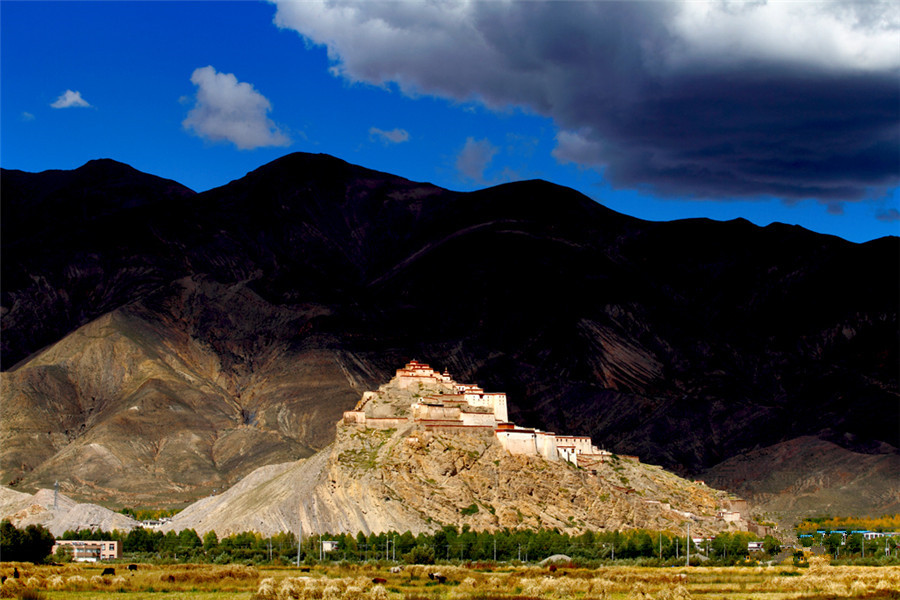
Zongshan (宗山) is located in the center of Jiangzi Town, Gyangzê County (江孜县), Shigatse (日喀则), Tibet. Standing at an altitude of just over 100 meters, it might seem relatively modest in height, but due to the flat landscape surrounding the area, it stands out dramatically and holds significant military importance.

Historical Significance

In the year 967 of the Tibetan lunar calendar (火兔年), a descendant of the Tibetan King (赞普), Bai Kuozan (白阔赞), built a palace-fortress on Zongshan, ruling over the Yanchu River (年楚河) valley. Later, the Jiangzi Zong government became one of the thirteen major “Zong” (宗) established in Tibet at the time, acting as the gateway to Lhasa. In the Tibetan language, “Zong” means fortress or stronghold and was also the name used for the county-level administrative units in ancient Tibet.

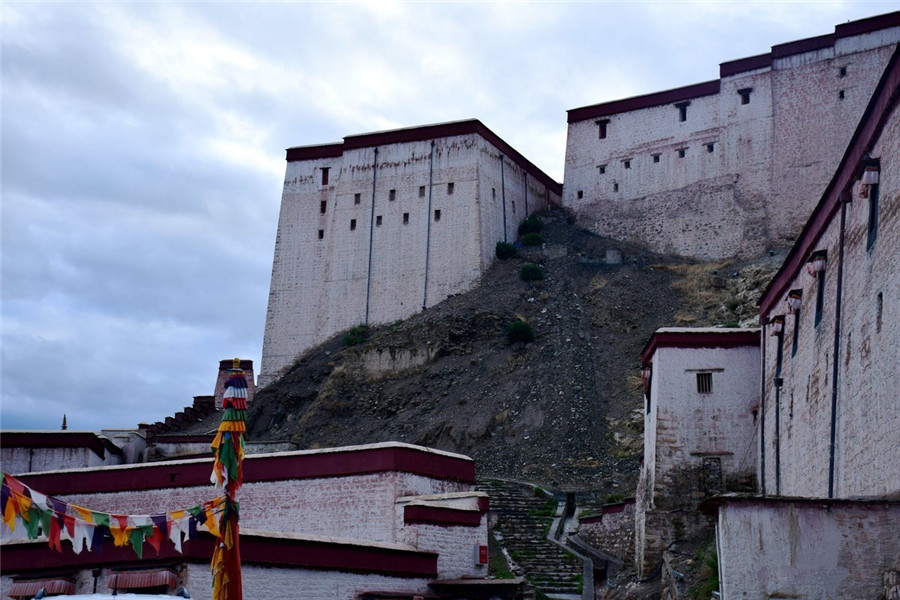
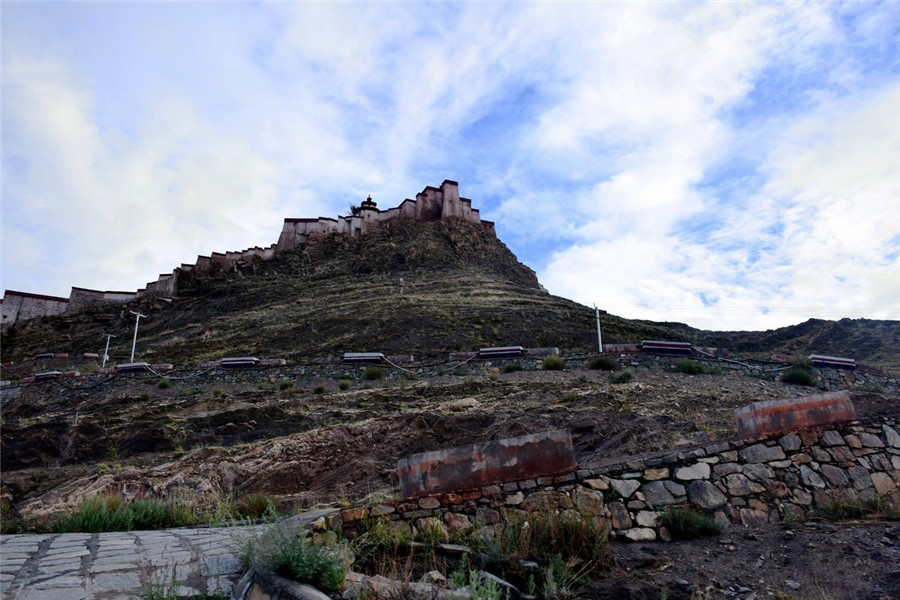
The surviving structures on Zongshan were mainly constructed in the early 14th century and include the office of the Zongben (县长, county leader), a scripture hall, a Buddha hall, and various storerooms. These buildings are spread across the mountainside, ascending all the way to the peak, offering a commanding view of the area. The architecture is grand and imposing, symbolizing both military and administrative power.

Palace Ruins

On Zongshan, there is a palace ruin that closely resembles the Potala Palace (布达拉宫) in Lhasa, though on a smaller scale. According to a local legend, the people from the back Tibet region (后藏) heard of the magnificence of the Potala Palace and decided to build a similar structure. They had artisans carve a model of the Potala Palace onto a radish, which was then taken back to Jiangzi to guide the construction. However, the palace they built did not quite resemble the grandeur of the Potala Palace, as the radish model had dried and shrunk during the journey from Lhasa to Shigatse.

Anti-British War Site

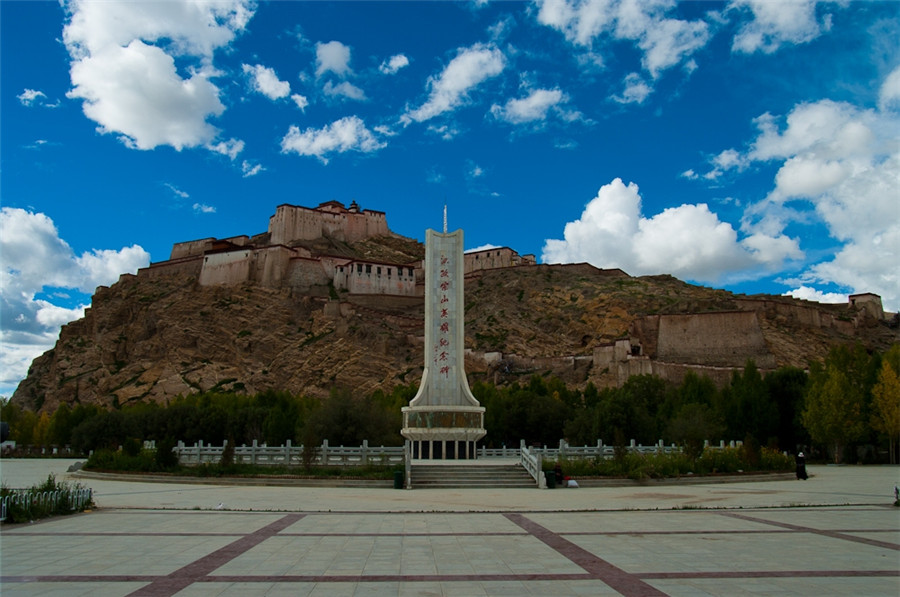
Zongshan is also home to the famous Zongshan Anti-British War Site (宗山抗英遗址), located on a hilltop in the center of Jiangzi County. This site is known by its alternative name, “Hero City” (英雄城). It was here, in 1904, that the Jiangzi military and civilians defended Chinese territory against British invasion. The remains of the anti-British artillery positions and the hero memorial stand as a testament to their resistance.

In 1961, the State Council of the People’s Republic of China designated the Zongshan Anti-British War Site as one of the first national key cultural heritage sites (全国重点文物保护单位).

During the 29th year of the Guangxu era (光绪二十九年, 1903), British forces invaded Tibet from the Aydong region. They faced fierce resistance from the Tibetan people along the way. In 1904, the British forces advanced to Jiangzi and launched an intense attack on Zongshan. The defending Tibetan forces and local civilians held their ground for three months, repelling multiple attacks from the British. However, they eventually ran out of ammunition and supplies, and due to overwhelming British forces, Zongshan fell.

Today, a memorial monument stands in the square in front of Zongshan to honor the anti-British heroes of over a century ago. The site serves as an important symbol of resistance against foreign aggression and the protection of China’s sovereignty.

Geographical Overview

Zongshan is located in the heart of Jiangzi Town, Gyangzê County, Shigatse, standing at just over 100 meters in height, yet its strategic position on the flat Yanchu River (年楚河) plain gives it a commanding presence.

Key Features of Zongshan:

  • Altitude: 100 meters above the surrounding area.

  • Military Significance: Strategically positioned, offering a high vantage point over the surrounding flat terrain.

  • Construction Period: Originally built in 967 by Bai Kuozan (白阔赞) and later developed in the early 14th century.

Current Status and Visitor Information

The Zongshan Anti-British War Site is now a key historical and cultural attraction. Visitors can explore the surviving fortress structures, artillery positions, and the Hero Memorial, while learning about the area’s historical importance. The site is open from 9:00 AM to 6:00 PM, with an entrance fee that includes a visit to the Ten Thousand Buddha Stupa (十万佛塔) during peak season.

This historic site not only showcases Tibet’s rich military heritage but also offers a fascinating glimpse into the region’s strategic and cultural history. The preservation of Zongshan as a key historical landmark serves as a testament to the resilience of Tibet’s people throughout history.