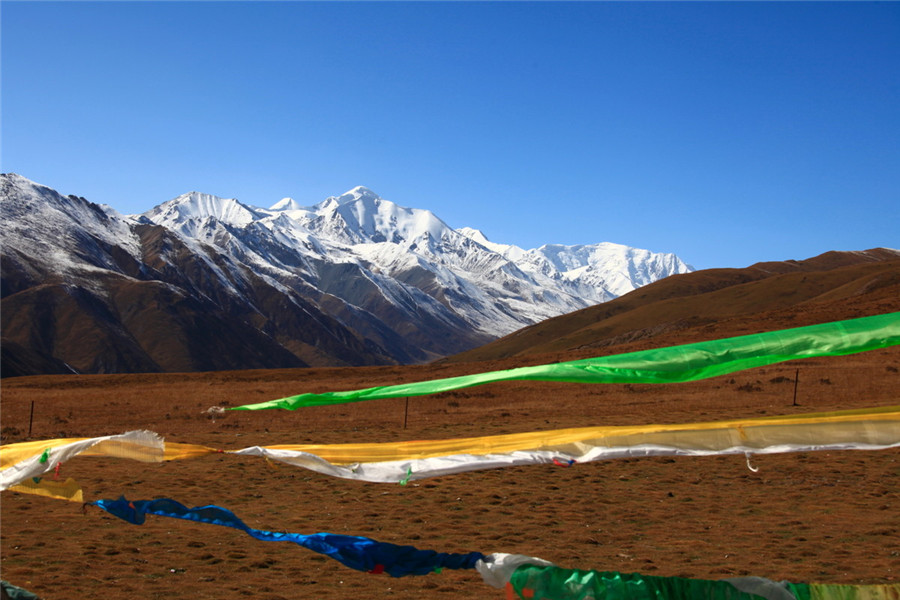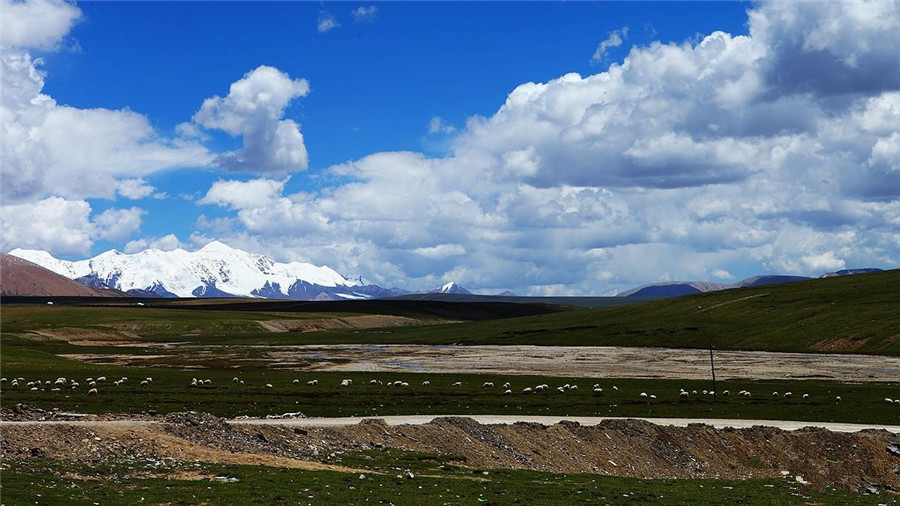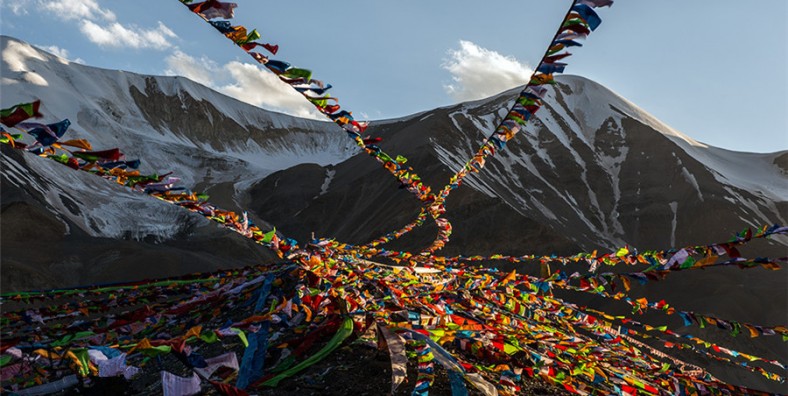

Amnye Machen Mountain in Qinghai
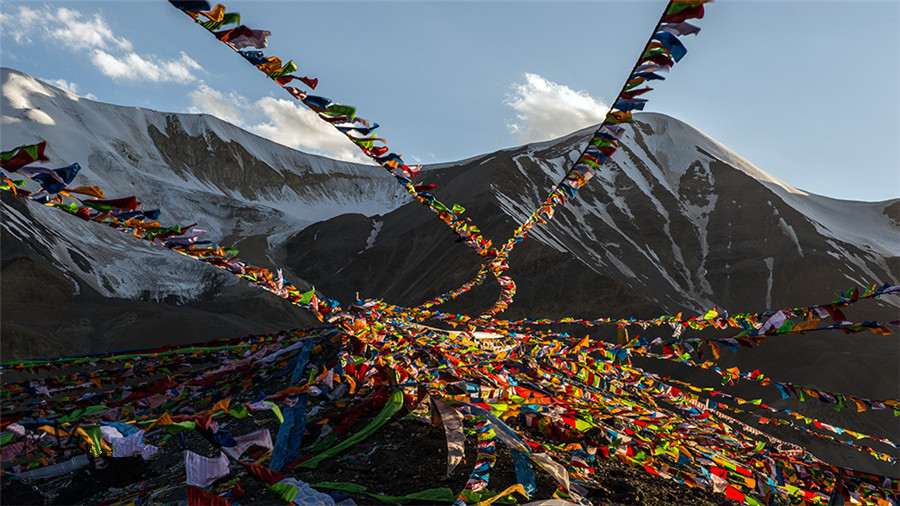
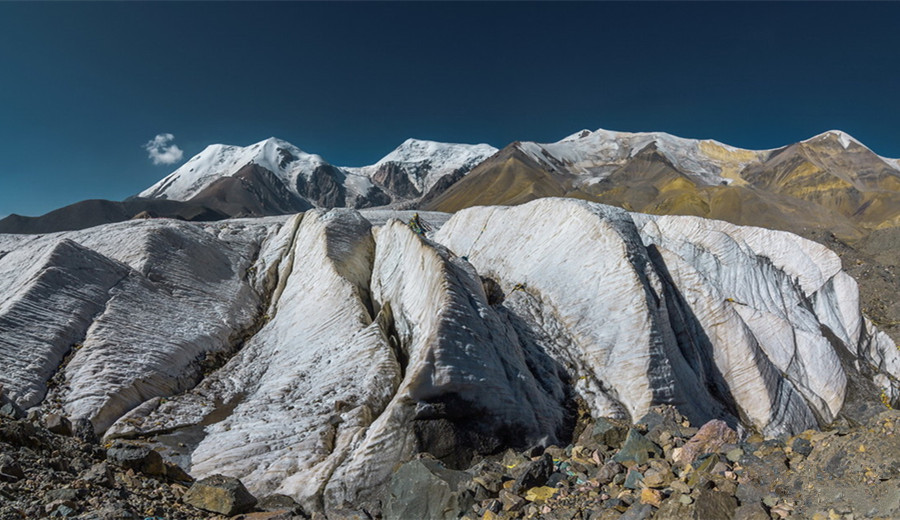
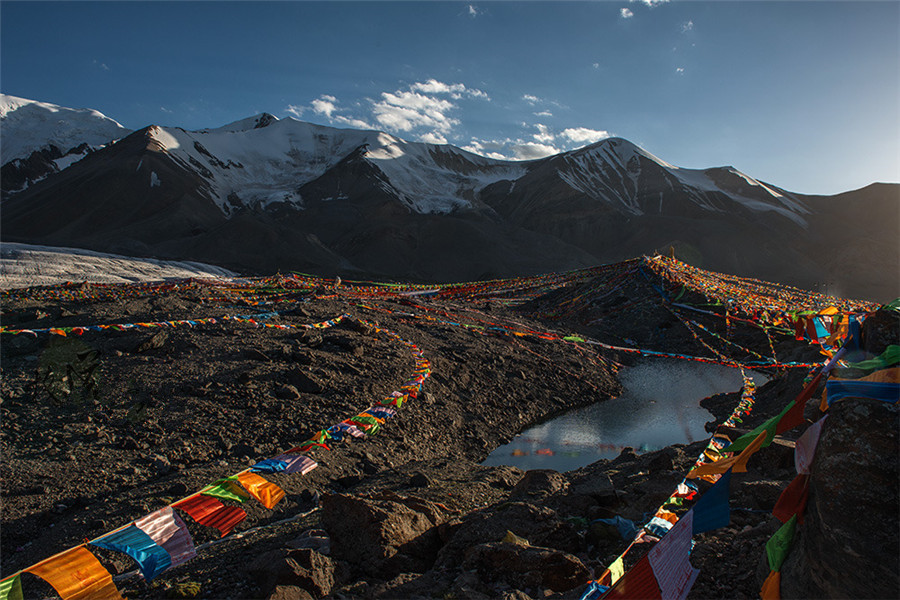
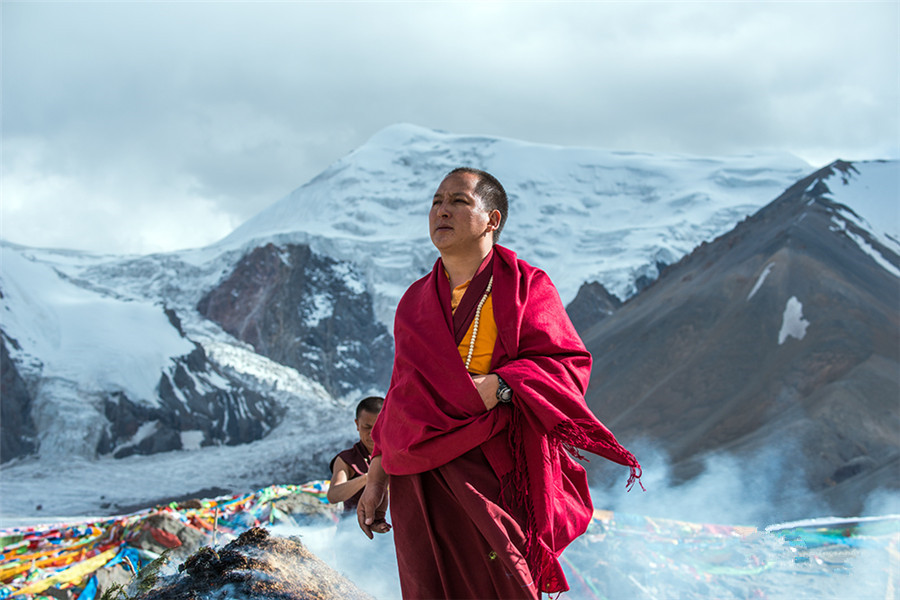
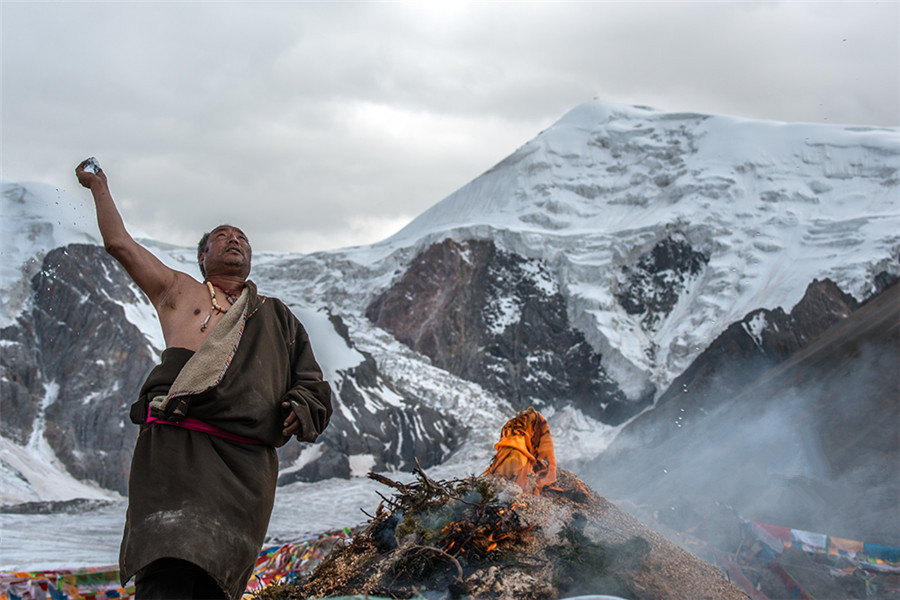
Amne Machin (Chinese: 阿尼玛卿; pinyin: Āní Mǎqīng) is the highest peak of the Amne Machin mountain range (Chinese: 阿尼玛卿山; pinyin: Āní Mǎqīng Shān), located in the province of Qinghai (青海省), in west-central China. It is revered as one of the most sacred mountains in Tibetan Buddhism and is considered the abode of Machen Pomra (藏族的神祇), the chief deity of the Amdo region in Tibet.
Mythological and Cultural Significance
Amne Machin is not just a geographical landmark but holds immense spiritual significance in Tibetan culture. It is known as the “Grandfather Pomra” in Tibetan, and the legend associates the mountain with the powerful god Wode (沃德), who sent his fourth son to the Amdo region to protect the people from disasters and guide them to prosperity. Over time, this deity became associated with the mountain, with Amne Machin considered one of the “Nine Great Creation Gods” in Tibetan culture.
In Tibetan religious belief, Amne Machin holds a crucial position among the sacred peaks. It is said to rule over the land and waters of the Amdo region, making it a protector of the Tibetan people.
Location and Climate
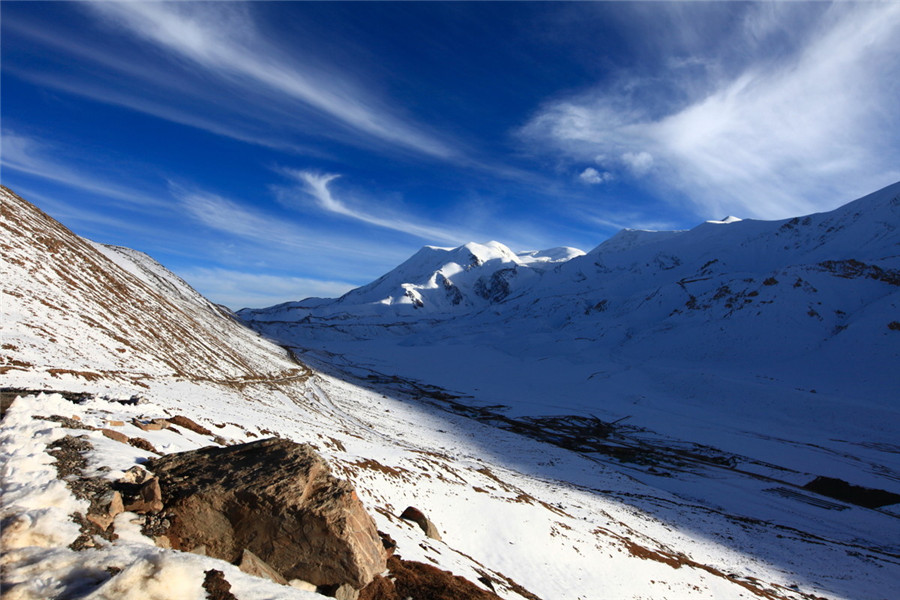
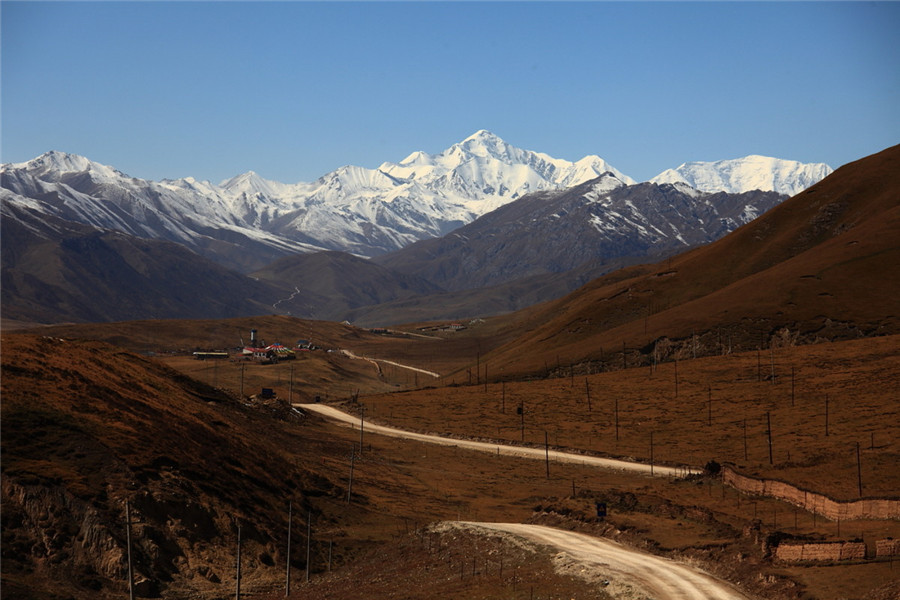
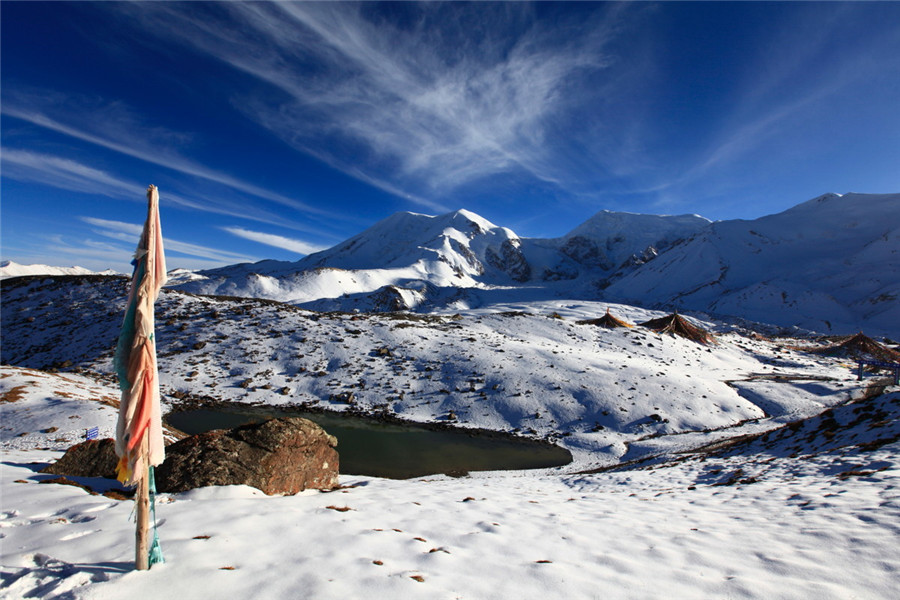
Amne Machin is located in the Golog Tibetan Autonomous Prefecture (果洛藏族自治州) of Qinghai Province (青海省). It lies to the northwest of Maqin County (玛沁县), and its peak stands at an elevation of 6,282 meters (20,611 feet). The mountain is often referred to as the Jishi Snow Mountain (积石雪山) due to its imposing size and its snow-capped peak year-round.
The climate in the region is characterized as a continental plateau climate, with unpredictable weather patterns. The region can experience extreme changes in temperature, with the lowest temperatures recorded in January, reaching well below -50°C. During the summer, the weather can be milder, but the mountain remains a harsh environment for trekkers and climbers.
Exploration and Trekking
Mountain Routes
Amne Machin is a popular destination for trekkers and climbers, offering a unique opportunity to experience Tibetan culture while trekking in a challenging mountainous environment. The region around the mountain is rich in flora and fauna, with alpine forests, including pine, cypress, birch, and fir, and a variety of wildlife such as snow leopards, wild goats, and rare medicinal herbs like Cordyceps (冬虫夏草).
Routes to the Mountain
To reach the Amne Machin base camp, visitors typically start from Xining (西宁), the capital of Qinghai Province. From Xining, a journey of 638 kilometers (about 2 days of travel) leads to Maqin County (玛沁县), followed by a 55 km drive north to Xueshan Township (雪山乡). After reaching Xueshan, travelers must continue by horse or yak for about 30 kilometers to the Quhar Xiala Glacier, which marks the starting point for the climb.
Another route starts from Qinghai Lake (青海湖), where the journey to the base camp is shorter, taking about 460 kilometers from Xining, followed by another 360 km to the base camp.
Trekking the Mountain
The official climb of Amne Machin typically takes 9 days and requires preparation for cold temperatures and high-altitude conditions. For those unable to complete the trek on foot, it is possible to rent yaks or horses for the journey.
Climbing History
Key Ascents
Amne Machin has been a subject of interest for climbers from around the world. Key moments in its climbing history include:
-
In 1960, an expedition from the Beijing Geological Institute (北京地质学院) successfully reached the summit of the second-highest peak of Amne Machin.
-
In 1981, a Japanese climbing team reached the summit of the main peak via the southeastern ridge.
-
In 1994, a Beijing Youth Mountaineering Team attempted the summit but faced tragic losses due to harsh weather conditions.
-
In 2016, a team from Beijing University of Technology (北京工业大学) successfully summited the main peak.
Special Tips for Travelers
Travel Conditions
-
Transportation: The journey to the base camp can be difficult, with high-altitude terrain and frequent seasonal road closures due to heavy snow. A vehicle with good off-road capabilities is essential.
-
Accommodation: There are no food or accommodation services along the trek routes, so it’s important to carry your own provisions and camping gear. Recommended sleeping bags for summer treks should be rated for temperatures as low as -5°C to -10°C.
-
Altitude: The altitude of the mountain, which exceeds 4000 meters, can cause altitude sickness. It is important to carry medications for oxygen deficiency and take precautions against cold.
-
Time Required: Completing the circumambulation (a trek around the base of the mountain) typically takes 7-8 days. Pilgrims often face numerous natural phenomena that test their devotion.
Flora and Fauna
Amne Machin’s high-altitude environment is a haven for both flora and fauna. The mountain is home to a variety of rare plant species, including snow lotus (雪莲), dong quai (当归), and mushrooms (蘑菇). It is also a vital breeding ground for the snow leopard (雪豹), which has attracted significant international research interest.
Eco-tourism
The area around the mountain, particularly in Xueshan Township, is a hotspot for eco-tourism. Visitors can explore the stunning natural beauty of the region, from the Eagle Platforms (鹰架) to the Marmot Cave (鼠兔洞群), while learning about the unique ecological environment of the Qinghai-Tibet Plateau.
Climate and Weather
Unpredictable Weather
The weather in the Amne Machin region is unpredictable, with frequent snowstorms, hail, and strong winds. The months from April to June and September to October are particularly challenging for trekkers due to the harsh conditions, which can include tornadoes and heavy rainfall.
Temperature Ranges
-
In winter (January), temperatures can drop as low as -50°C at the summit.
-
Summer temperatures are more moderate, but can still drop below freezing at night.
Amne Machin Today
In recent years, the Amne Machin region has become a popular site for pilgrims, trekkers, and eco-tourists. The mountain’s breathtaking beauty and profound cultural significance continue to attract people from across the world, making it a revered and respected part of Tibetan heritage.
For more details about planning a trip to Amne Machin, it’s recommended to contact local travel agencies or Tibetan mountaineering associations to ensure a safe and memorable experience.