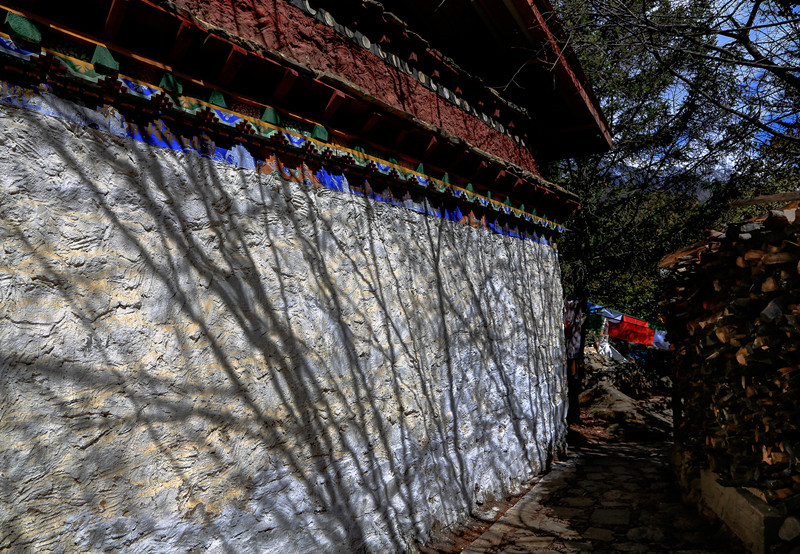
Tsozong Gongba Monastery in Draksum-tso Lake, Nyingchi
Chinese Name:林芝错宗工巴寺
English Name: Tsozong Gongba Monastery in Draksum-tso Lake, Nyingchi
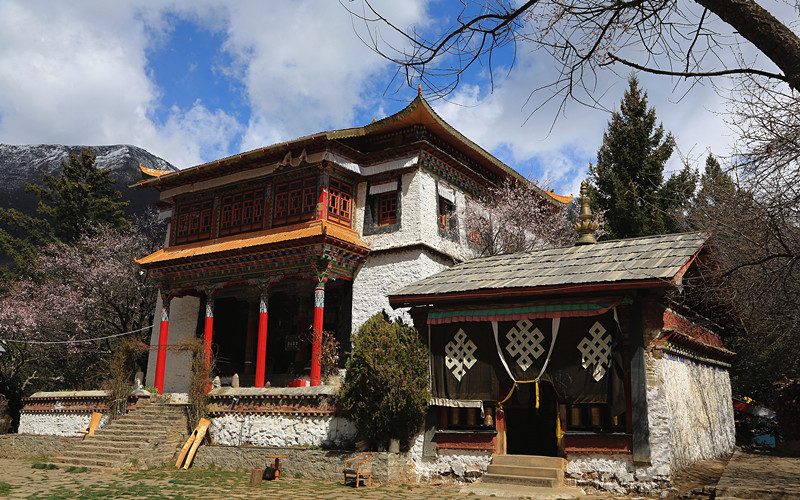
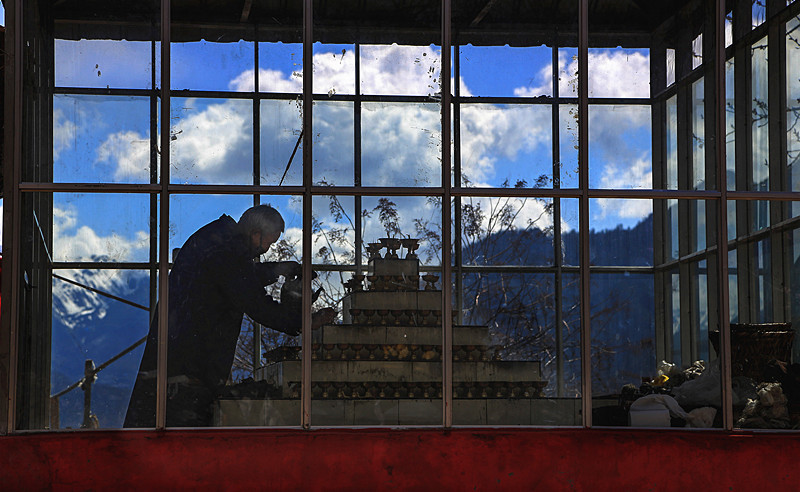
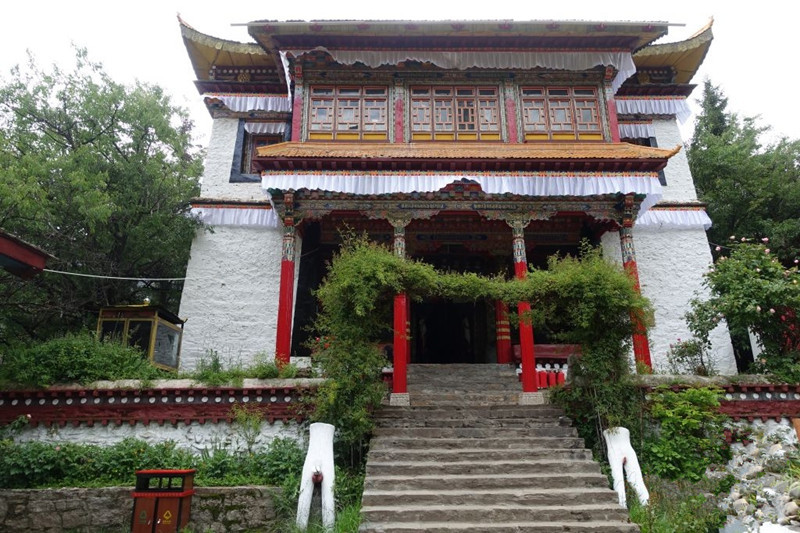
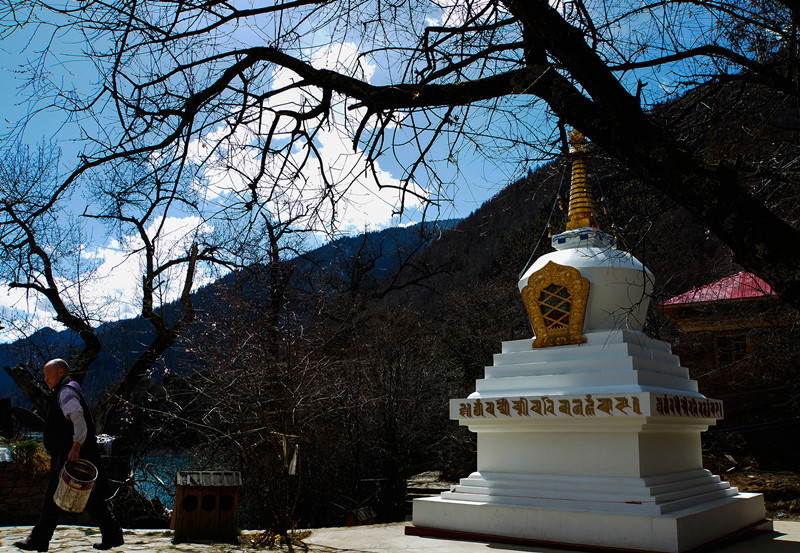
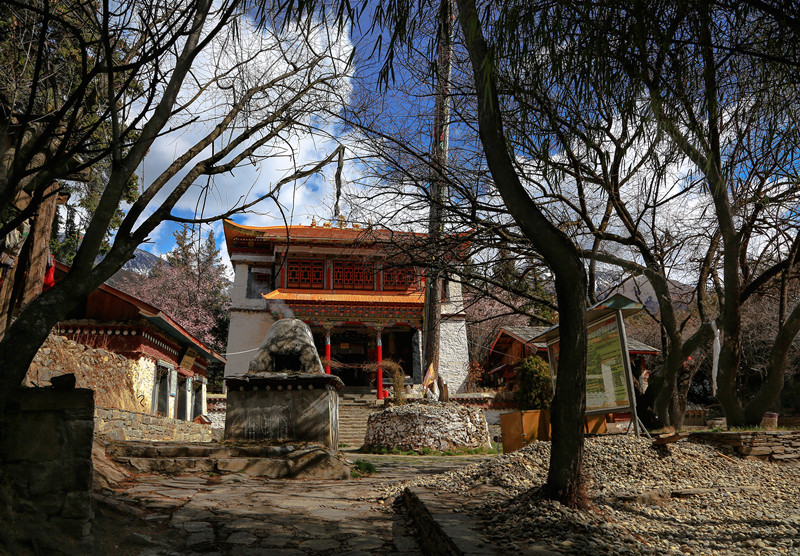
The Tsozong Gongba Monastery (措宗贡巴寺), also known as Tsozong Temple (措宗寺), is located on Zaxi Island (扎西岛) in the center of Draksum-tso Lake (巴松措), situated in Nyingchi (林芝) in Tibet. It is one of the most significant Nyingma (宁玛派) monasteries in the region, with a history spanning over 1,500 years, dating back to the late Tang Dynasty (唐代). The monastery is renowned for its architectural blend of Tibetan and Nepalese styles, its rich religious significance, and its unique natural surroundings.
Historical Overview
The Tsozong Gongba Monastery was founded in the late Tang Dynasty around 1500 years ago. The monastery’s construction is attributed to the Nyingma school of Tibetan Buddhism, and it remains an important cultural and religious site. The monastery is known for housing significant relics and artworks, and it is a sacred place for pilgrims and tourists alike.
Key Historical Features:
-
Foundation: Built during the late Tang Dynasty, it holds a rich history spanning over 1,500 years.
-
Religious Significance: The monastery is dedicated to Padmasambhava (莲花生大师), Avalokiteshvara (千手观音), and the Golden Boy and Jade Maiden (金童玉女), showcasing important Buddhist deities.
Architectural and Religious Characteristics
The monastery is a two-story structure made from a combination of wood and stone. The interior features a rich collection of sculptures and murals, illustrating both the Buddhist teachings and Tibetan culture.
Notable Architectural Features:
-
Design Style: The monastery combines Tibetan and Nepalese architectural styles, characterized by intricate murals and sculptures.
-
Main Deities: Inside the temple, the central Buddha statue is that of Maitreya (弥勒佛), the future Buddha, seated on a lotus throne, surrounded by Avalokiteshvara (千手观音) and the Golden Boy and Jade Maiden (金童玉女).
Myths and Legends
Tsozong Gongba Monastery is surrounded by many legends and mythical stories that contribute to its mystique.
-
King Gesar’s Hoofprints: Hoofprints left by the horse of King Gesar (格萨尔王) during his conquests are said to be found at the monastery. The hoofprints are 25 cm in diameter and are significant relics of Tibetan legend.
-
Peach and Pine Tree: On the southern side of the monastery grows the Peach-Pine Tree (桃抱松), a unique and sacred tree that symbolizes a legend of a mythical fish-shaped mountain that gave birth to the lake.
-
Rock Engravings: The island surrounding the monastery contains engraved stones, which include turtle, fish, dragon heads, and Buddha images.
Practical Information
-
Ticket Information: Admission is included in the entry fee for Draksum-tso Scenic Area (巴松措景区), and no separate ticket is required for the monastery.
-
Opening Hours: The monastery is open from 7:00 AM to 6:00 PM (last entry at 6:00 PM).
-
Getting There: To reach the monastery, take a bus from Nyingchi or Lhasa to Draksum-tso Scenic Area, and then take a boat or cross the floating bridge to the island.
Travel Tips:
-
Best Seasons to Visit:
-
Spring (when peach blossoms bloom) and Autumn (when the lake’s waters are deep blue) are the best seasons to visit.
-
-
Altitude Considerations: The monastery is located at 3,480 meters (11,414 feet) above sea level, so visitors should prepare for high-altitude conditions by bringing warm clothing and sun protection.
-
Religious Etiquette: When visiting the monastery, it is customary to circumambulate the temple in a clockwise direction as part of Buddhist practices.
Cultural and Natural Wonders
Tsozong Gongba Monastery is deeply embedded in local mythology and Tibetan culture. Visitors are drawn not only to the spiritual and architectural significance of the site but also to the natural wonders that surround it.
-
Peach-Pine Tree: This unique over-1,000-year-old tree is a living symbol of the legend surrounding the lake’s creation. According to the legend, this tree was born from a fish-shaped mountain, and the tree’s leaves even form natural Tibetan letters that add to its mystique.
-
Natural Beauty: The monastery’s surroundings, particularly the Draksum-tso Lake, are stunning, with lush landscapes, clear blue waters, and a tranquil atmosphere.