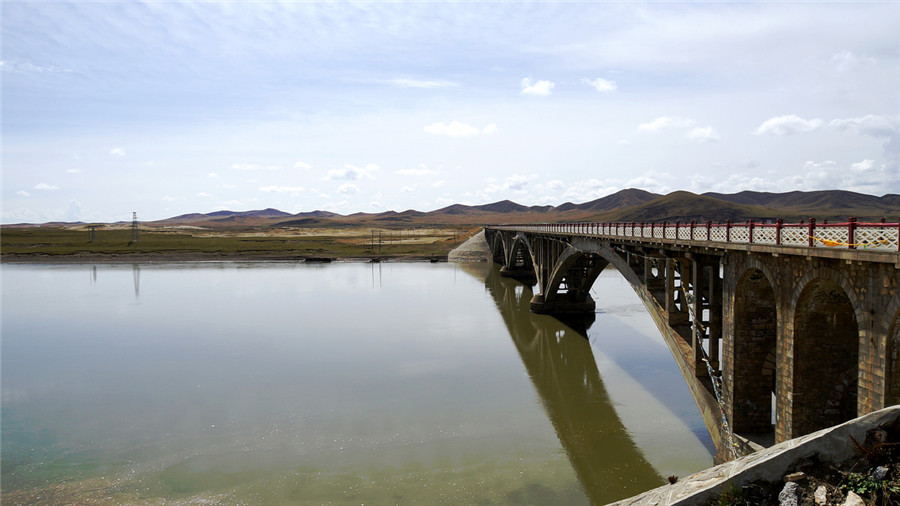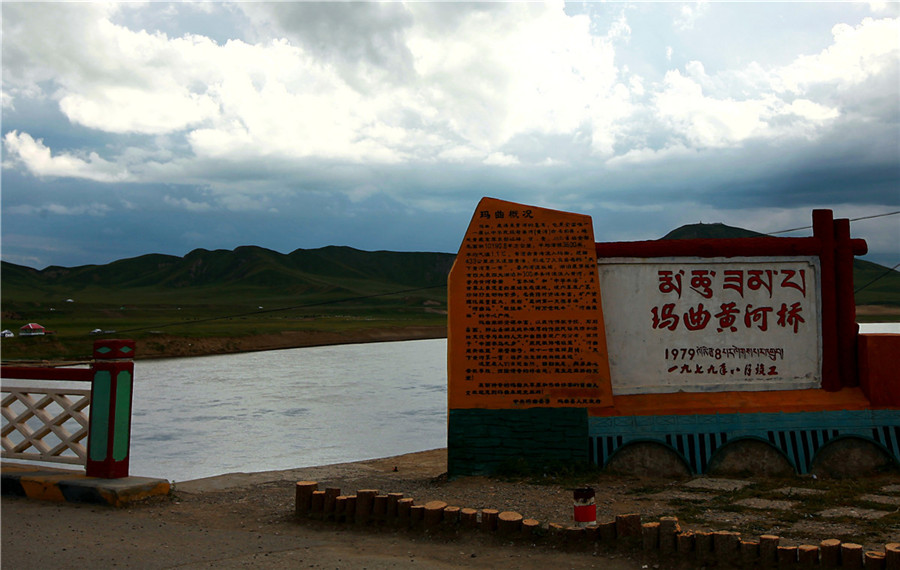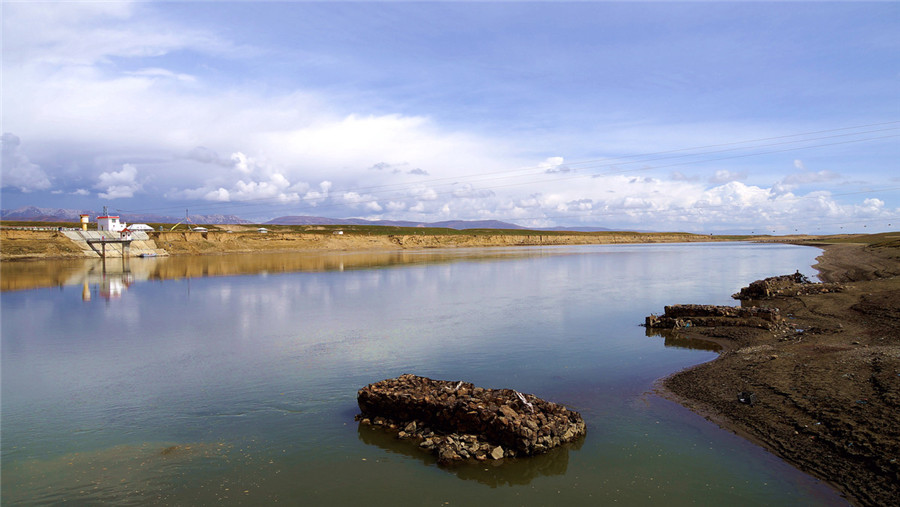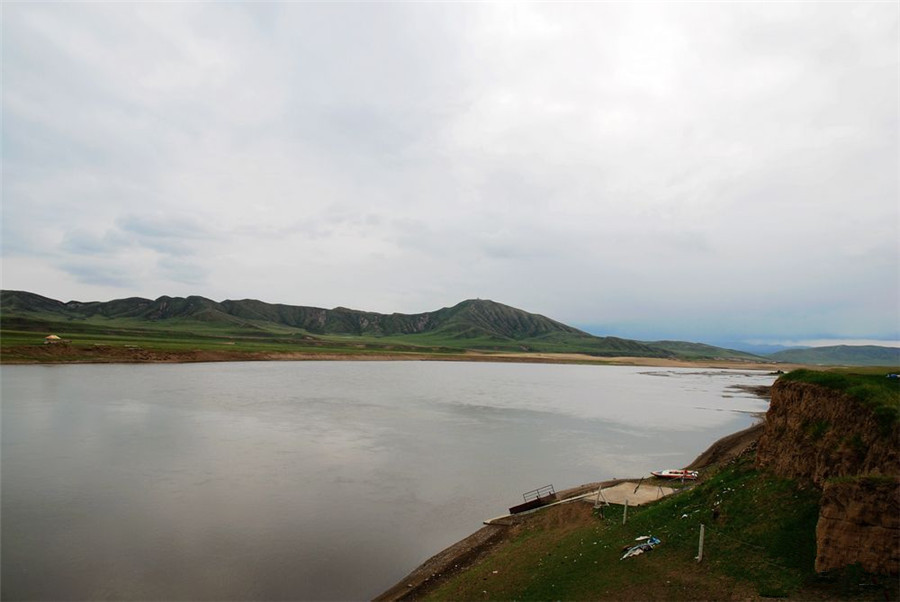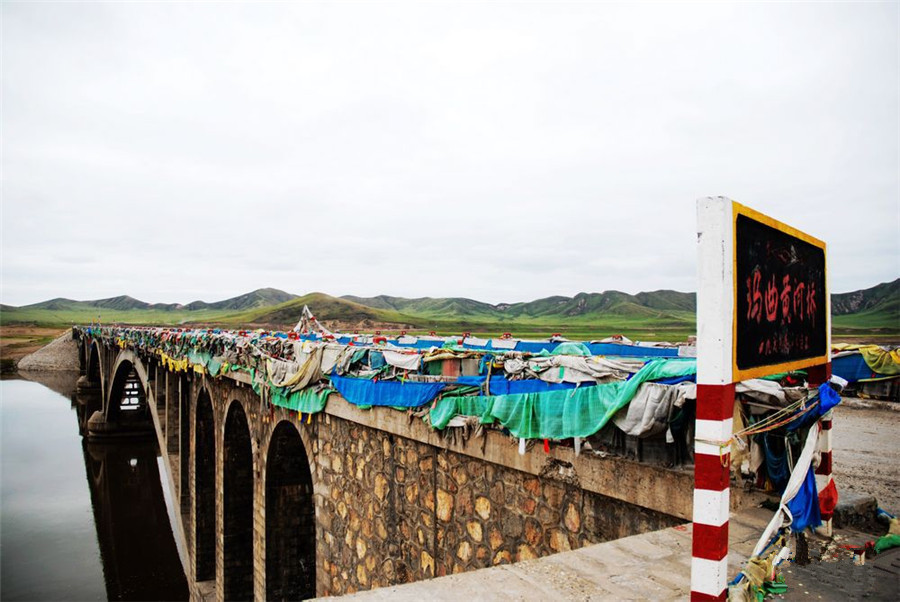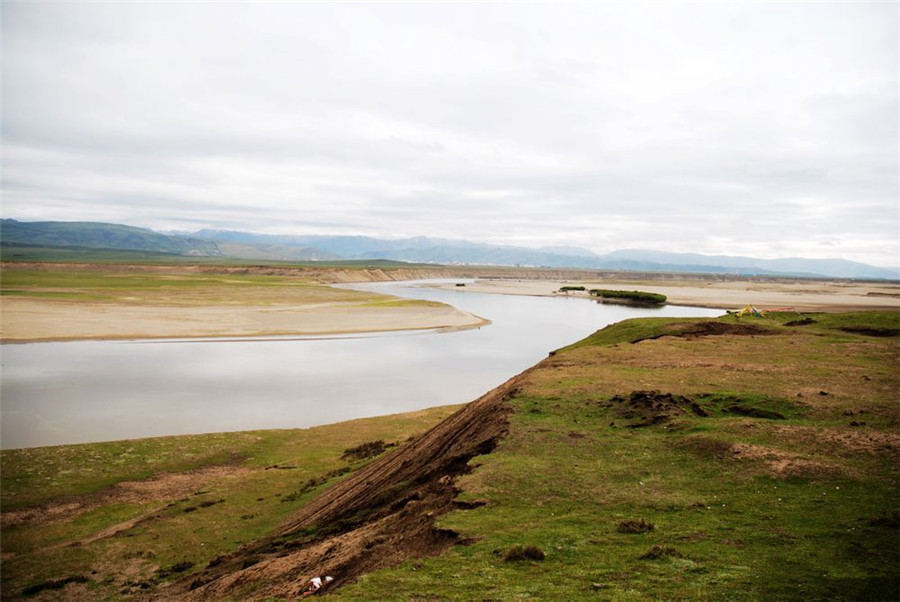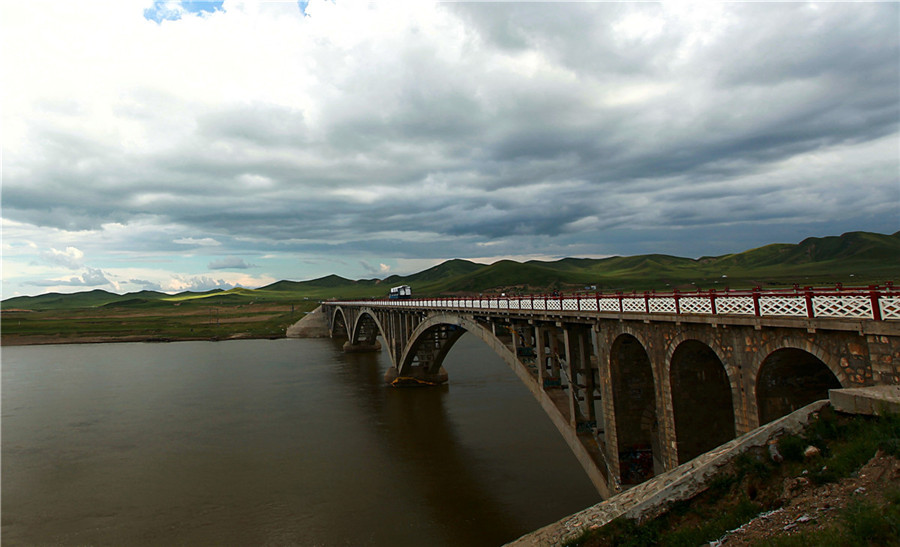
Mozhuma Qu River in Maizhokunggar County, Lhasa
Mozhuma Qu River (墨竹玛曲) is a significant river located in Maizhokunggar County (墨竹工卡县), Lhasa (拉萨), Tibet. Flowing through the town of Zhashigang (扎西岗乡), this river stretches for nearly 30 kilometers within the county. The water from the surrounding mountain springs gently flows into the Mozhuma Qu, which ultimately joins the Lhasa River (拉萨河), known as the “mother river.” Locals regard this river with great affection and care, treating it like a precious treasure.
Mozhuma Qu River, part of the Yarlung Tsangpo River (雅鲁藏布江) system, holds cultural and ecological importance for the region. The river’s basin is home to a mix of natural landscapes, traditional agricultural and pastoral communities, and conservation efforts to safeguard its ecological integrity.
Geographical Location and Hydrological Features
Geographical Location
-
Source: The river originates in the northeastern part of Maizhokunggar County, flowing from east to west.
-
Course: It passes through various towns including Nima Jiangre (尼玛江热乡) and Gongka Town (工卡镇), finally converging with the Lhasa River near the county town.
-
Length: The river stretches 88 kilometers, providing vital water resources to the region.
Hydrological Characteristics
-
Soil: The river’s basin has relatively young soil development, with shallow soil layers (10-15 cm) made up mainly of gravel and sand, which affects vegetation growth along the riverbanks.
-
Vegetation: The vegetation cover along the river is sparse, with a low tree survival rate due to the soil conditions. The region is more often covered with low shrubs, particularly in the upper reaches of the river.
Ecological Conservation and Land Rights
Ecological Protection Efforts
In 2025, Lhasa City initiated a unified resource registration project for the Mozhuma Qu River. This project aims to clarify land ownership boundaries and provide legal support for the river’s ecological conservation, ensuring sustainable management of this natural resource.
Vegetation Status
Approximately 80% of the forests in Maizhokunggar County are concentrated along the Lhasa River and its tributaries, including Mozhuma Qu River. However, the upstream riverbanks primarily feature low shrubs, with very few large trees in comparison to other areas of Tibet.
Surrounding Landscape and Cultural Significance
Natural Scenery
The river valley features striking plateau river valley landscapes, with poplar (杨树) and birch (桦树) trees turning golden in autumn, creating a picturesque scene. These trees, along with the backdrop of snow-capped mountains and grasslands, offer visitors a unique view of Tibet’s natural beauty.
Cultural Activities
In villages such as Nima Jiangre (尼玛江热乡) along the river, the local people maintain traditional agricultural and pastoral lifestyles. To protect young trees from damage caused by livestock such as cattle and sheep, villagers use wire fences around the saplings. This practice helps conserve the delicate ecosystem around the river, while preserving the area’s pastoral charm.