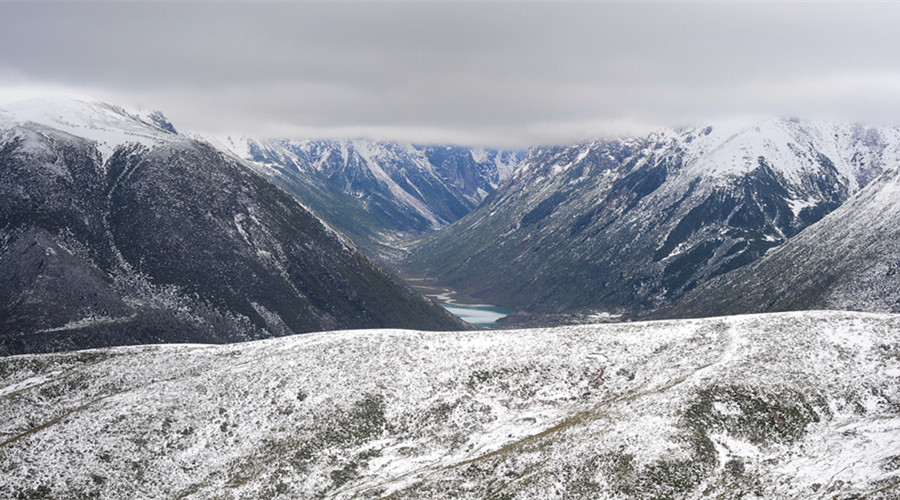
Muri La Mountain Pass in Garze
Muri La Mountain Pass, located at an elevation of 4,569 meters (14,990 feet) above sea level, is a high-altitude mountain pass situated in the northwestern part of Sichuan Province, China. The pass, also known as Zogqen Pass (左贡山口), forms a key point on Provincial Road 217 (S217), which links the cities of Derge (德格) in Garzê Tibetan Autonomous Prefecture with Yushu in Qinghai Province.
The route is known for its stunning natural scenery but also presents significant challenges due to its remote location, high altitude, and difficult road conditions.
Getting to Muri La
Route and Accessibility
The S217 Provincial Road, which runs through Muri La, is a gravel road that winds its way to the summit of the pass. The road is notoriously rugged, with steep gradients that demand careful driving. While the road offers breathtaking views of the surrounding mountains and plains, it is also a testing experience for travelers due to the lack of oxygen and the challenging terrain.
Traveling through the pass requires preparedness, as the area is quite remote, with limited services. It is important to plan your trip carefully, ensuring you have adequate supplies, especially if you’re venturing into the area during the more isolated seasons.
Route Features
-
Gravel Road: The road to Muri La is a mix of rough gravel and unpaved sections, often in poor condition. This makes the journey slower and more difficult, requiring a sturdy vehicle, preferably an off-road 4×4.
-
High Altitude: The pass sits at a significant altitude, where oxygen levels can be low, especially as you approach the summit. Travelers should take necessary precautions to avoid altitude sickness, such as staying hydrated and acclimatizing if possible.
-
Steep Gradients: The road is extremely steep in sections, and drivers should be aware of the increased risk of tire slippage and other hazards.
What to Expect on the Journey
Natural Scenery
Muri La offers stunning panoramic views of the Chola Mountains (卓拉山), which are visible from various points along the pass. The wide high plains below are home to many Tibetan nomads, who herd yaks and horses. This is a truly remote part of Sichuan, and the landscapes here are both rugged and beautiful, with vast grasslands, jagged peaks, and deep valleys.
During the journey, you may encounter herds of yaks grazing on the grasslands, a hallmark of traditional Tibetan pastoral life. The sight of nomadic Tibetan families living in the area, tending to their livestock, adds a cultural layer to the stark natural beauty of the region.
Weather Conditions and Hazards
The weather in this high-altitude region can change quickly, and heavy mist is common, especially during early mornings and late afternoons. In poor visibility conditions, the road can be treacherous, with limited road markers and signposts, making it dangerous for travelers, especially those unfamiliar with the terrain.
Fog and low visibility are significant risks, and travelers are advised not to attempt crossing the pass during severe weather conditions. Winter months can bring snow, adding to the challenges of the journey.
Safety Tips
-
Travel Prepared: Ensure you have enough food, water, and warm clothing, as services are few and far between.
-
High-altitude Precautions: Due to the thin air, take it slow, give yourself time to acclimatize, and monitor for any signs of altitude sickness, including dizziness, headache, or nausea.
-
Weather Awareness: Check weather conditions before embarking on the journey, and avoid traveling if heavy fog, rain, or snow is expected.
Cultural and Scenic Highlights
-
Nomadic Life: Along the way, you will encounter Tibetan nomads who live traditional lifestyles, herding yaks and horses. Their simple, yet resilient way of life is a key cultural feature of this region.
-
Chola Mountains: The majestic Chola Mountains loom large as you drive through the pass, providing a stunning backdrop of towering peaks and sprawling valleys.