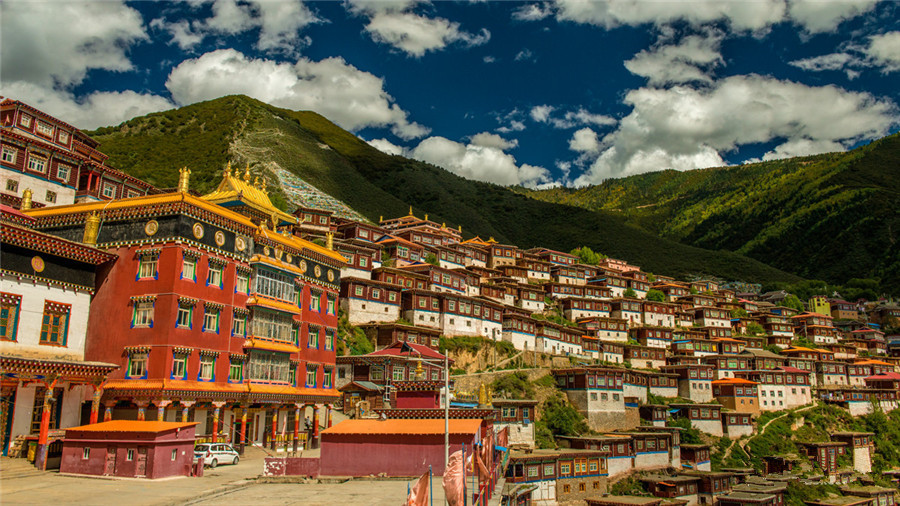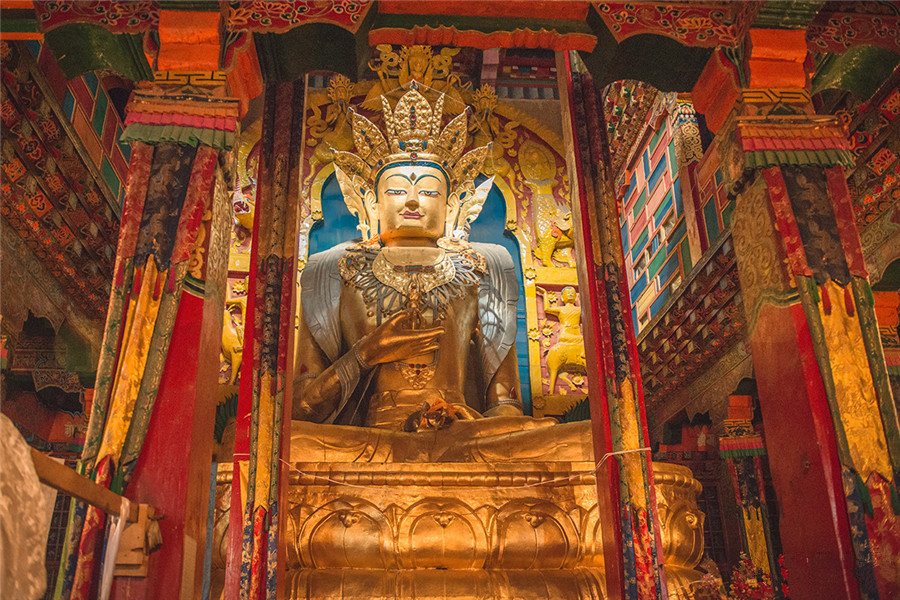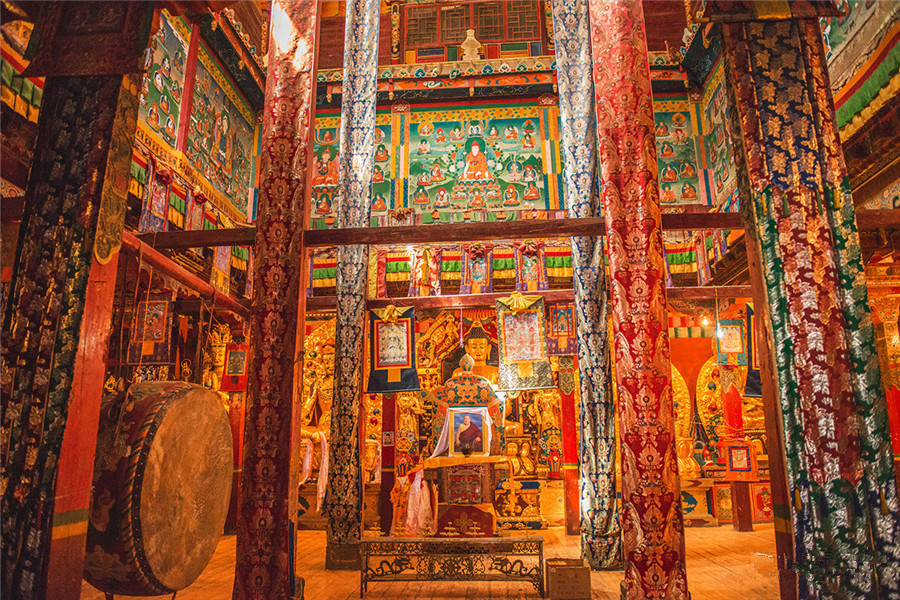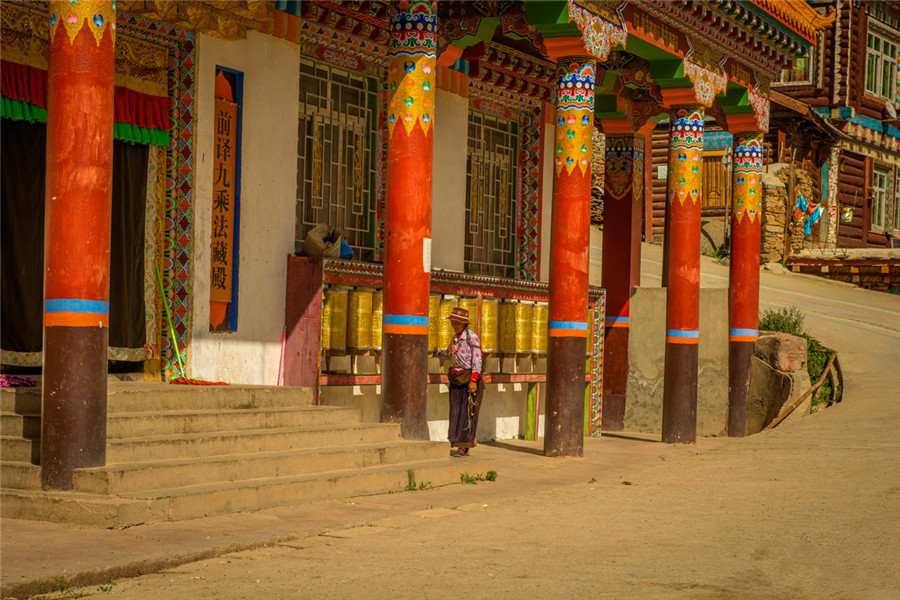
Palyul Monastery in Baiyu County, Garze
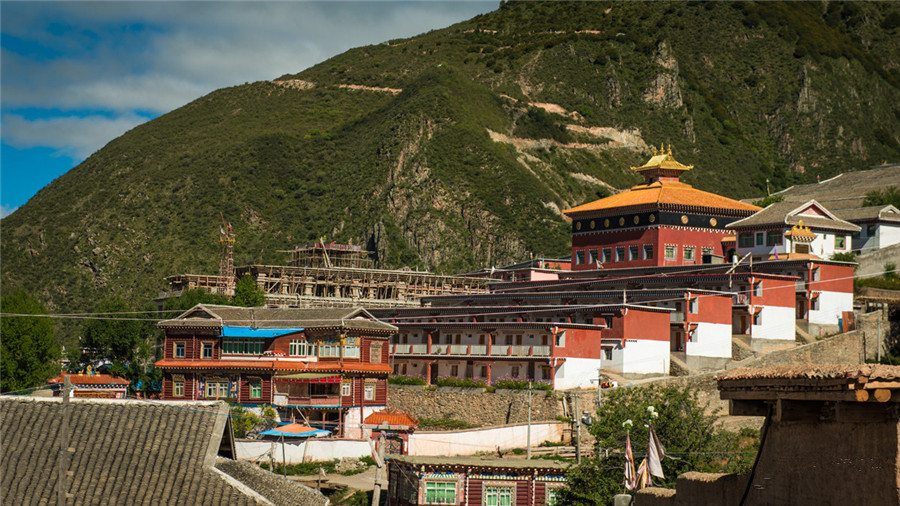
Palyul Monastery, known as Palyul Namgyal Jangchub Choling Monastery (白玉寺), is one of the most renowned monasteries in the Nyingma tradition of Tibetan Buddhism. It is located on Baiyu Mountain (白玉山) in Baiyu County (白玉县), Garzê Tibetan Autonomous Prefecture (甘孜藏族自治州), Sichuan Province (四川省), China. The monastery, founded in 1665 by Rigzin Kunzang Sherab (根绒协绕大师), stands as a prominent center of Tibetan culture and spirituality, making it one of the three largest Nyingma monasteries in the region (the other two are Gantuo Monastery (甘拖寺) in Baiyu County and Zhuqing Monastery (竹庆寺) in Dege County).
With over 300 years of history, Palyul Monastery remains a sacred site for Tibetan Buddhists and offers an exceptional opportunity for visitors to explore the unique spiritual and cultural heritage of the region.
Introduction to Palyul Monastery
Historical Background
Palyul Monastery is regarded as one of the six “mother monasteries” in the Nyingma tradition of Tibetan Buddhism. It was founded in the 17th century and has since become a central hub for Tibetan Buddhist teachings. The monastery is home to a significant collection of sacred scriptures, religious practices, and historical records. Its legacy also includes a vibrant lineage of reincarnate lamas (tulkus) who have led the monastery over the centuries.
The monastery was established to house the Nam Chö Terma (南藏传承) teachings of the great Terton Migyur Dorje (米觉多吉), a revered treasure-revealer in the Tibetan Buddhist tradition. It remains a spiritual center for practitioners and a symbol of Tibetan heritage.
Cultural Significance
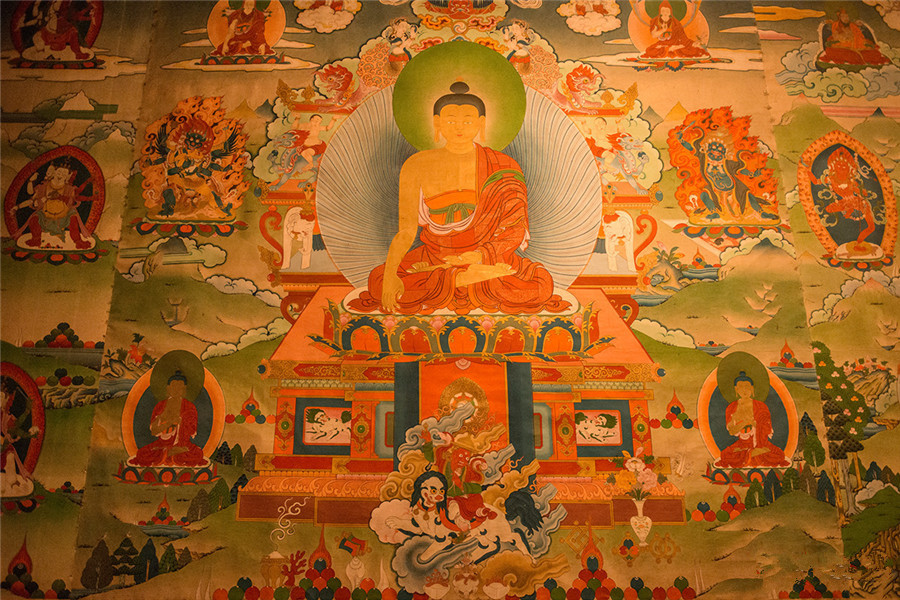
Palyul Monastery is deeply rooted in Tibetan cultural traditions. In addition to its religious significance, the monastery serves as a preserver of Tibetan arts, including thangka painting, wood carving, and manuscript preservation. The Nam Chö lineage is particularly important, as it is regarded as one of the most revered schools within the Nyingma tradition.
Architectural Features
Temple Design
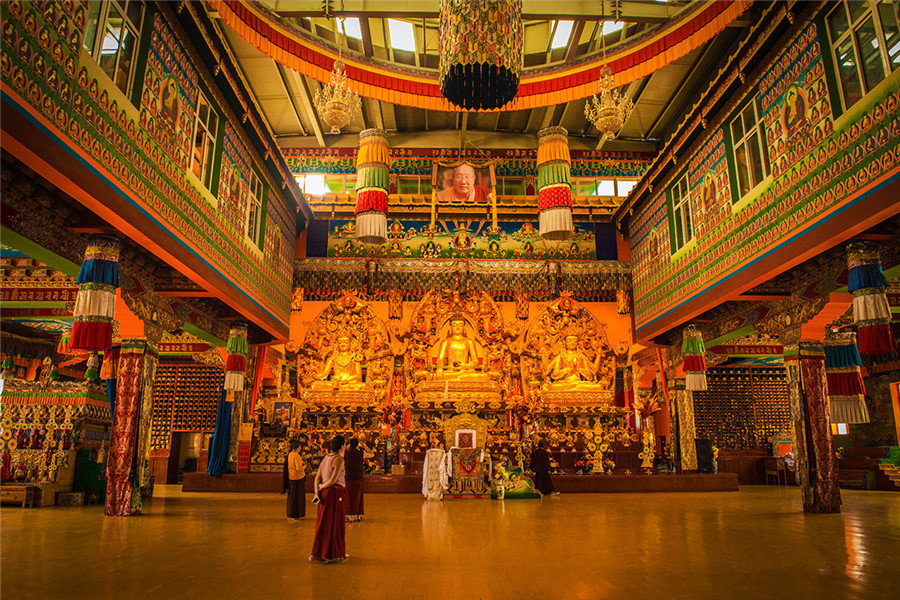
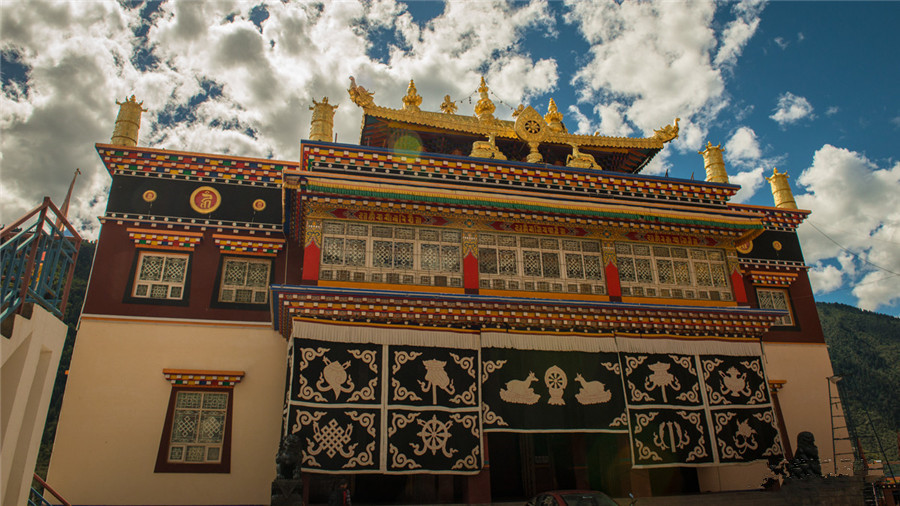
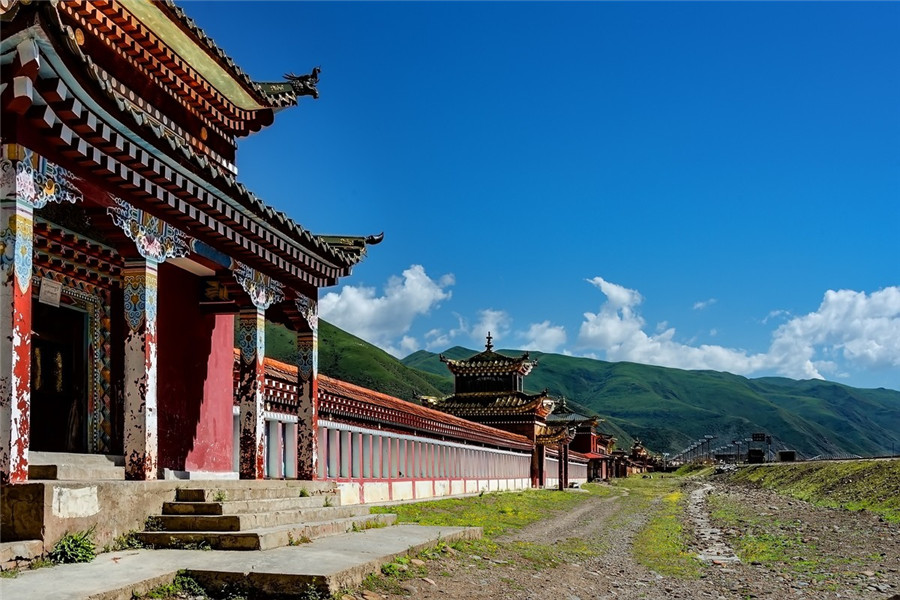
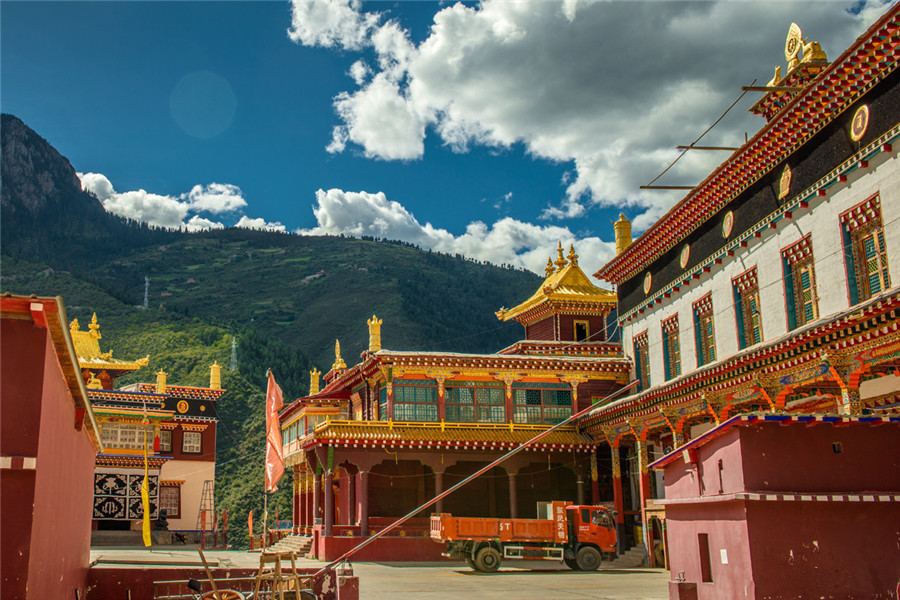
The architecture of Palyul Monastery is an embodiment of traditional Tibetan Buddhist design, with majestic buildings that reflect the grandeur and sanctity of the monastery. The main structures include several shrines, prayer halls, stupas, and monastic residences. One of the most striking features of the monastery is its golden roof, which symbolizes the enlightenment of all sentient beings.
The main hall houses a large statue of Padmasambhava (莲花生大士), along with images of other important figures such as Avalokiteshvara (观音菩萨) and Shakyamuni Buddha (释迦牟尼). The monastery’s golden stupas contain relics of revered monks and lamas, and it is said that the main reliquary stupa preserves the relics of Terton Migyur Dorje.
Religious Activities
Annual Buddhist Ceremonies
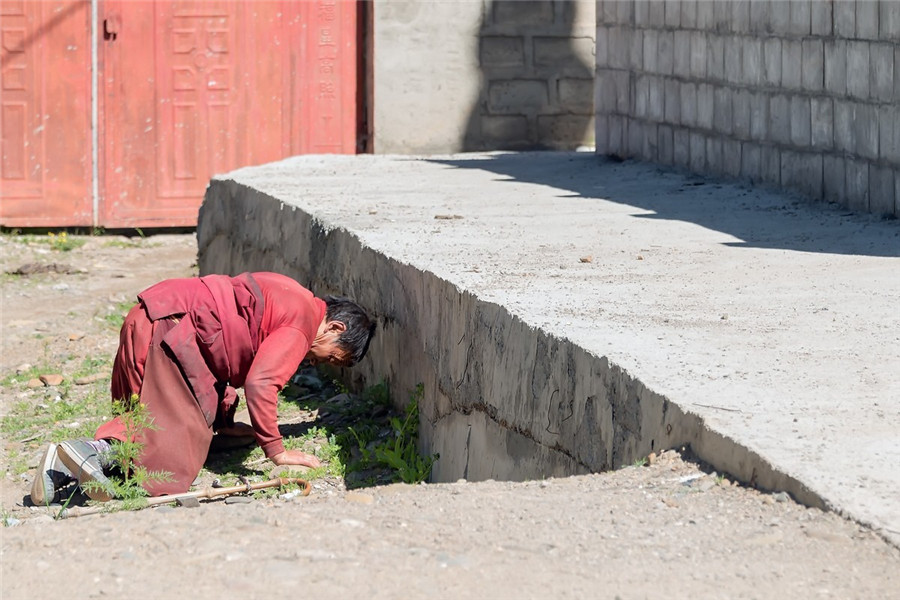
Palyul Monastery is well known for its annual Buddhist ceremonies, which attract hundreds of devotees and visitors from all over the world. These ceremonies, which are celebrated according to the Tibetan lunar calendar, are a time of intense religious fervor and cultural celebration. Among the most significant festivals are:
-
The 10-day “Palyul Ten Days” Festival (白玉十日节), held from March 1st to 10th in the Tibetan calendar. This event features great prayers, mask dances, traditional Tibetan opera (藏戏), and other ritual performances.
-
The Buddha Shakyamuni Ceremony, where Buddha statues are unveiled, and offerings are made.
These events provide a unique opportunity for tourists to witness the vibrant cultural life of the monastery, while also experiencing the deep spirituality that permeates this sacred site.
Cultural Lineage and Teachings
Spiritual Lineage
Palyul Monastery has a long and rich spiritual lineage, with successive generations of reincarnate lamas overseeing its growth and development. The current throneholder of Palyul is Karma Kuchen Rinpoche, who succeeded Drubwang Padma Norbu (阿德曼波仁波切) upon his passing in 2009.
The monastery’s teachings are based on the Dzogchen (大圆满) tradition, which emphasizes the direct realization of the nature of the mind and the inherent wisdom of all beings. Tertöns, or treasure revealers, are central to the Palyul tradition, as they discover hidden teachings and artifacts that are believed to have been concealed by the great masters of the past.
Prominent Figures
Many important Tibetan Buddhist teachers have hailed from the Palyul lineage, including:
-
Terton Migyur Dorje (米觉多吉) – the founder of the Nam Chö tradition.
-
Padma Norbu Rinpoche (阿德曼波仁波切) – the 11th Drubwang of the lineage.
-
Karma Kuchen Rinpoche (克玛楚仁波切) – the current 12th throneholder.
Visiting Palyul Monastery
Location and Accessibility
Palyul Monastery is situated in Baiyu County (白玉县), Garzê Tibetan Autonomous Prefecture (甘孜藏族自治州), Sichuan Province (四川省), China. It is located on Baiyu Mountain (白玉山), surrounded by scenic landscapes, including the clear waters of the Oke River (俄科河). The monastery is free to visit and is open to the public year-round.
Transportation
To reach the monastery, visitors generally take a long-distance bus or private car from Garzê (甘孜) or Kangding (康定). The road conditions to Baiyu County can be challenging, with some sections prone to landslides, especially during the rainy season, so travelers should be well-prepared for the journey.