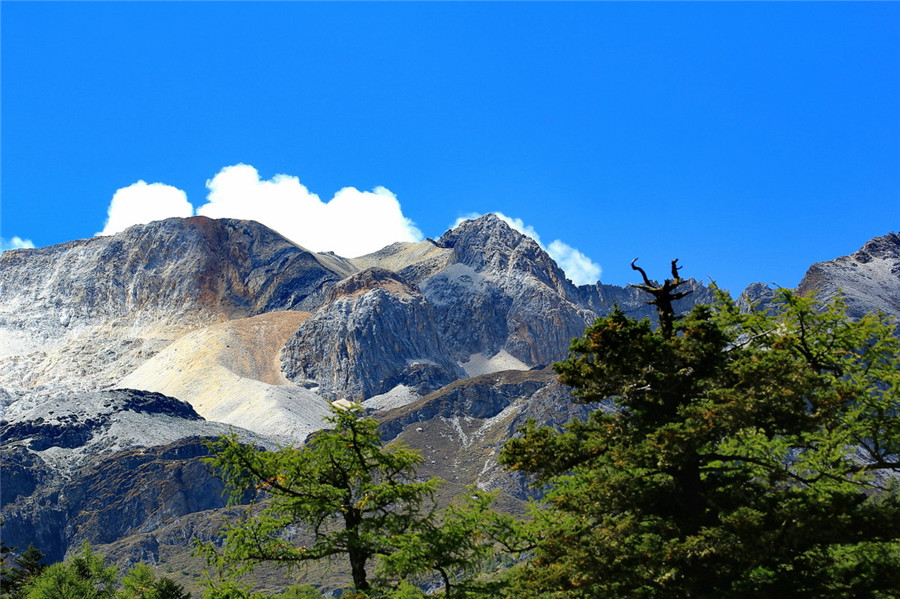
Chenresig Mountain of Yading Nature Reserve in Daocheng County, Garze

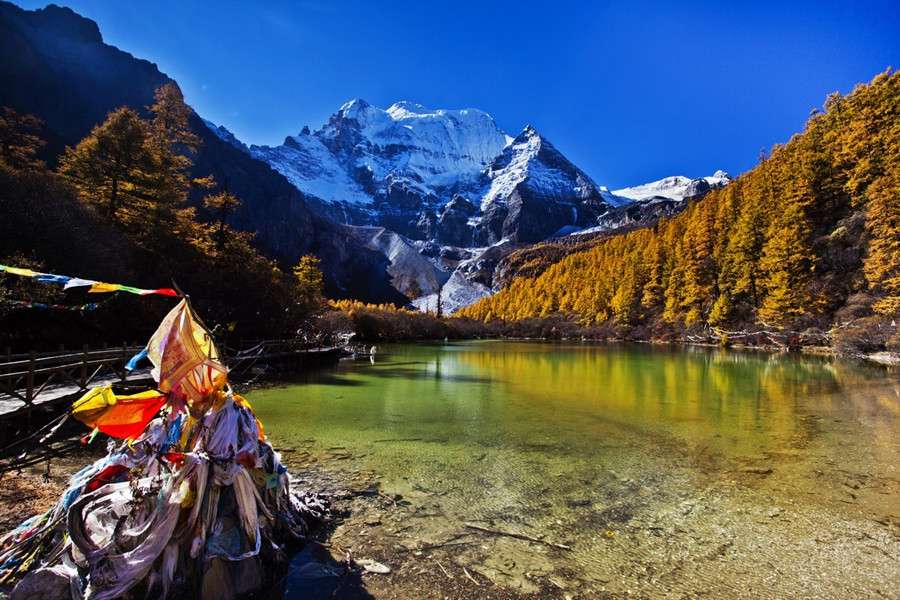
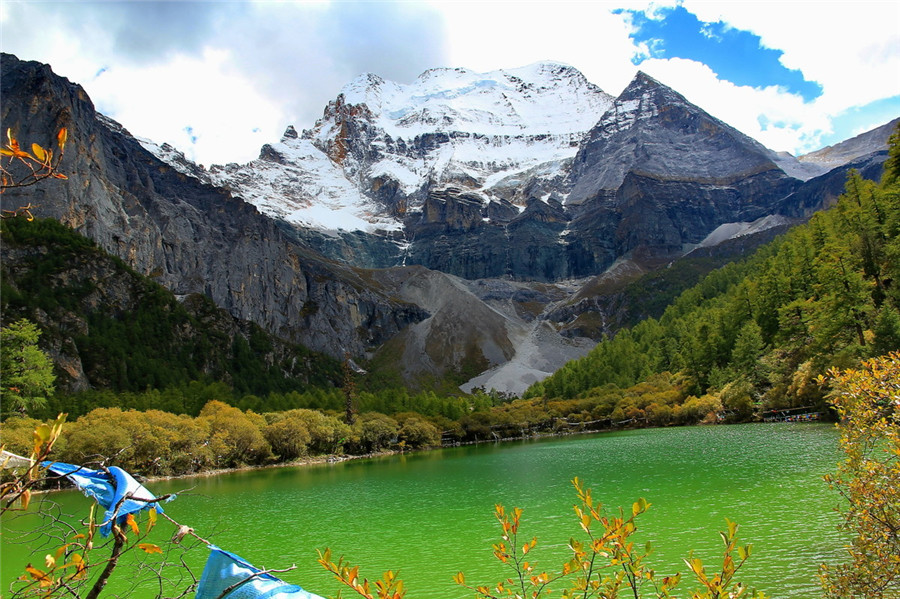
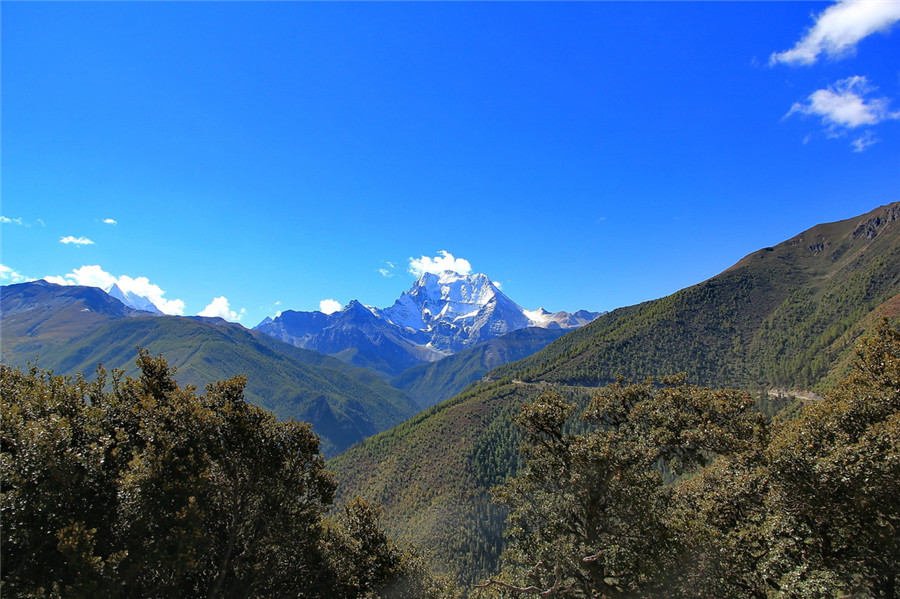
Chenresig Mountain (仙乃日神山), located in the Yading Nature Reserve (稻城亚丁国家级自然保护区) of Daocheng County (稻城县), Garze Tibetan Autonomous Prefecture (甘孜藏族自治州), is one of the most sacred peaks in Tibet and holds deep spiritual significance for the Tibetan Buddhist community. The mountain is part of the Three Sacred Mountains (三神山) of Yading, revered by the local Tibetan people for its religious and mystical significance. The three peaks are believed to represent the Bodhisattvas of compassion, wisdom, and strength.

Geography and Location

Chenresig Mountain is situated in the southern part of the Shaluli Mountain Range (沙鲁里山脉), on the eastern edge of the Tibetan Plateau (青藏高原). The mountain straddles the border between Muli Tibetan Autonomous County (木里藏族自治县) in Liangshan Yi Autonomous Prefecture (凉山彝族自治州) and Daocheng County (稻城县) in Garze Tibetan Autonomous Prefecture (甘孜藏族自治州), in Sichuan Province (四川省), China.

It is the northernmost peak in the Three Sacred Mountains of Yading and has an elevation of 6,032 meters (19,786 feet), making it the highest of the three peaks in the area. The mountain is located at the heart of the Yading Scenic Area (亚丁景区), which is a famous ecotourism destination in western China, known for its pristine landscapes, glaciers, alpine lakes, and unique Tibetan Buddhist heritage.

Sacred Significance and Religious Importance

Chenresig Mountain is strongly linked to Avalokiteshvara (观世音菩萨), the Bodhisattva of Compassion. In Tibetan, the name “Chenresig” translates to Avalokiteshvara, who is believed to watch over and protect sentient beings, bringing compassion, wisdom, and harmony to the world. Local Tibetans consider the mountain a powerful spiritual site, and it is a destination for Buddhist pilgrimage.

Together with Jampelyang (央迈勇) and Xianrenduoji (夏诺多吉), which represent the Bodhisattvas of Wisdom (文殊菩萨) and Vajrapani (金刚手菩萨), Chenresig forms the Three Sacred Mountains of Yading. Pilgrims believe that those who make a pilgrimage to all three mountains and complete the journey three times will have their wishes fulfilled. This tradition underscores the deep spiritual reverence for these mountains in Tibetan culture.

Mountain Characteristics and Form

Chenresig Mountain is a striking and majestic peak, with its distinctive asymmetrical profile that rises dramatically from the surrounding landscape. The summit of the mountain has a gentle incline, resembling the shape of a seated Buddha. From a distance, the mountain appears to be a giant Buddha reclining on a lotus throne, with its slopes covered in snow year-round.

The geological structure of Chenresig is composed of slate, sandstone, and limestone, and the mountain features glacial valleys and alpine lakes. The mountain is a cirque-shaped (semi-circular) formation, with cliffs that seem to embrace visitors from all directions, making it feel as though the mountain itself is protecting the sacred area.

At its base, the mountain is surrounded by wetlands, alpine meadows, and pristine high-altitude lakes, such as Pearl Lake (珍珠海) and Milk Lake (牛奶海), both of which are significant pilgrimage destinations in their own right.

Notable Lakes and Features

  • Milk Lake (牛奶海): Located at an elevation of 4,600 meters (15,091 feet), this high-altitude lake is famous for its milky-colored water. It is one of the most sacred lakes in Tibet and attracts many visitors and pilgrims each year. The lake is named after the color of its waters, which have a pale, milky appearance due to the glacial meltwater.

  • Pearl Lake (珍珠海): Another important sacred lake, Pearl Lake is said to be the mirror of the sacred Chenresig Mountain. According to Tibetan legends, it is also known as the “Mirror of the Goddess”, where the lake reflects the spiritual power and serenity of the mountain.

  • Five Color Lake (五色海): This beautiful lake gets its name from the five distinct colors that appear on its surface due to the way sunlight refracts through the water. The lake lies between the peaks of Chenresig and Jampelyang, providing a breathtaking view of the snow-capped mountains surrounding it.

Geological and Climatic Features

  • Geology: The Chenresig Mountain consists mainly of gray-green slates, gray sandstone, and limestone, which give the mountain its unique, rugged appearance. The surrounding terrain is shaped by glacial processes, with glacial valleys, moraines, and rock formations that highlight the mountain’s ancient geological history.

  • Climate: The climate in the region surrounding Chenresig Mountain is characterized by cold temperatures at high altitudes and a relatively mild sub-tropical climate at lower elevations. Rainfall is typically concentrated in the late spring to early summer months, particularly from April to June, contributing to the lush vegetation and alpine meadows that are found at the lower elevations.

Local Myths and Legends

The legends of Chenresig Mountain tell of a treasure-filled land, where a demon attempted to steal precious gems from the sacred mountain. As he flew above the peaks with a bag filled with jewels, a thunderstorm struck, causing a lightning bolt to strike the demon, transforming him into smoke. The jewels he had stolen fell from the sky, scattering across the mountain’s ridges. The shimmering gemstones are said to have created the vibrant landscape that gives the mountain its ethereal beauty.

Hiking and Pilgrimage

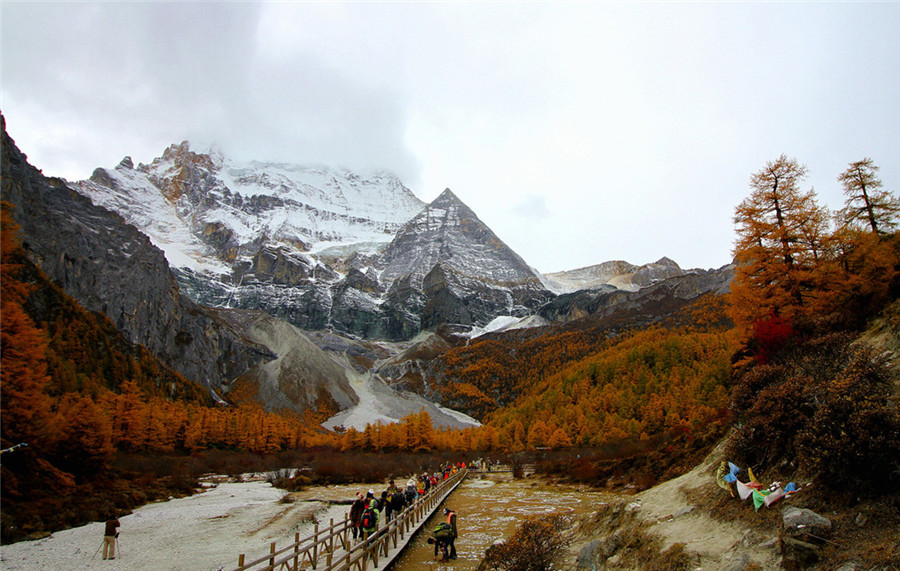
Hiking up Chenresig Mountain is considered both a physical and spiritual challenge. The high altitude, challenging terrain, and the need for proper acclimatization make the journey physically demanding. Most visitors begin their journey from the Luorong Cattle Ranch (洛绒牛场), where they can either hike or ride horses to the lakes and the surrounding areas.

Pilgrims typically walk around the sacred mountain in a clockwise direction, which is the traditional route followed by Tibetan Buddhists. Along the way, hikers will encounter prayer flags, mani stones (engraved stones with Buddhist prayers), and sacred sites such as Chonggu Monastery (冲古寺), which lies at the base of the mountain.

Travel Tips for Visitors

  • Physical Preparation: Due to the high elevation, visitors should prepare for possible altitude sickness and allow time for acclimatization. It is recommended to start the trek with lighter loads and gradually build stamina for the journey.

  • Best Time to Visit: The best time to visit Chenresig Mountain is in the late spring and early autumn months, particularly September and October, when the weather is clear, and the skies offer stunning views of the snow-capped peaks.

  • Local Guides: Local Tibetan guides can be hired at the base camps or near the monastery. These guides provide invaluable knowledge about the sacred nature of the mountain, and their expertise can make the hike more accessible and enriching.

  • Pack Light: The trek can be physically demanding, so pack only essential items and be prepared for possible changes in weather. A lightweight backpack with warm clothing, sunscreen, and water is highly recommended.