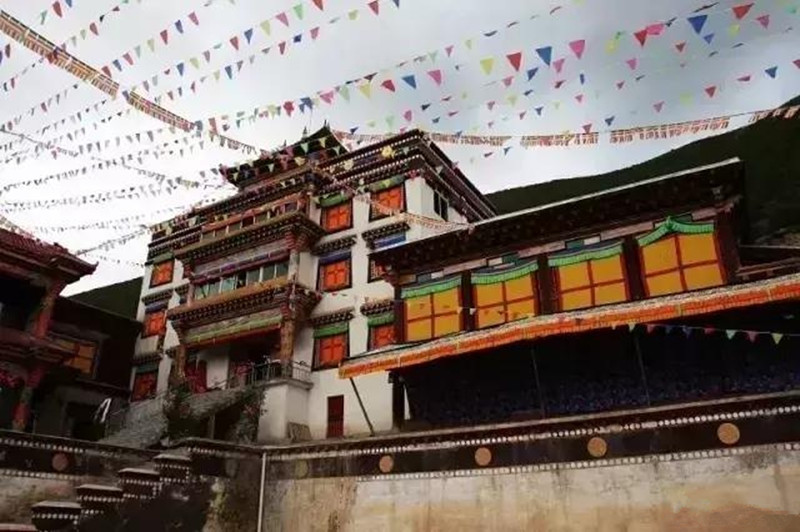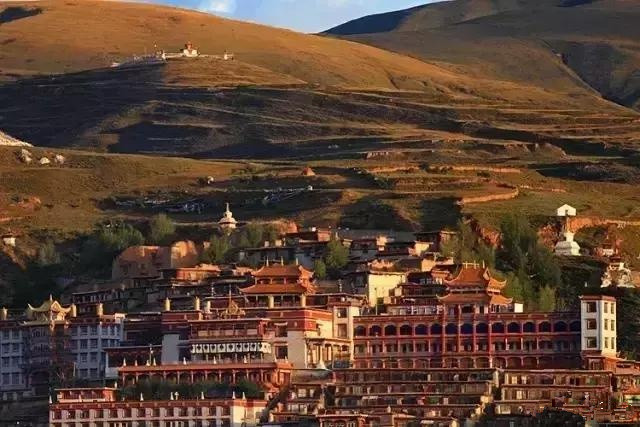
Tongkor Monastery in Garze County, Garze
Tongkor Monastery, also known as Ganden Chokhorling (甘丹错佛林) or Dangar Gompa (当噶寺), is a Tibetan Buddhist monastery located in Zithang Town (梭塘镇), Garzê County (甘孜县), Garzê Tibetan Autonomous Prefecture (甘孜藏族自治州), Sichuan Province (四川省), China. Situated at an altitude of 3,500 meters, this historic monastery is nestled between the convergence of the Daqiu River (达曲河) and Nailong River (奶龙河), approximately 60 kilometers northeast of the county town.
History of Tongkor Monastery
The monastery was founded in 1417 by Tongkor I, Dawa Gyaltsen (达瓦嘉措), a revered Tibetan Lama. Historically, it was the largest monastery in Garzê County, with over 500 monks at the beginning of the 20th century. However, the number of monks significantly reduced after the 2008 Tibet protests, with only about 70 monks remaining.
2008 Protest and Crackdown
On April 3, 2008, Tongkor Monastery became the site of violent protests in response to increased government repression. Troops fired on the protesters, killing at least 10 people. Some reports suggest that as many as 14 people were killed. The protests were triggered by a police raid on the monastery, the detention of a senior monk, and general discontent with the intensified Patriotic Education campaigns.
Cultural and Religious Significance
Tongkor Monastery belongs to the Gelug (Yellow Hat) sect of Tibetan Buddhism. It is renowned for its significant cultural and religious relics, many of which were left behind by generations of monks. The monastery is not just a religious institution, but also a treasure trove of Tibetan art and artifacts.
Notable Cultural Relics
Royal Artifacts: Among the treasures of the monastery is a portrait of the Ming Dynasty Emperor Zhu Yuanzhang (明太祖朱元璋). There is debate about whether the figure is the Ming Emperor or Tang Taizong (唐太宗), but it remains a valuable and disputed piece of art.
Ancient Artifacts: The monastery houses numerous precious items from mainland China, including:
-
Ivory Prayer Boards and White Jade Statues of Shakyamuni Buddha (释迦牟尼佛像).
-
Gilded Tibetan Religious Artifacts, including a famous “Self-Revealing Buddha” (俗称发汗佛), gifted by the 6th Panchen Lama (班禅罗桑贝丹益西大师).
-
A rare Golden “Hidden Buddha” (伏藏佛), a sacred artifact considered the monastery’s treasure.
Paintings and Thangkas: The monastery is also known for its vast collection of Thangka paintings (唐卡画), many of which are considered some of the finest in Tibet. Among the most cherished is the “Wish-Fulfilling Vine” (如意宝藤), a series of 31 Thangka paintings from the 17th century depicting the life of Shakyamuni Buddha (释迦牟尼). Created under the orders of the 6th Tongkor Lama, Denga Genden Tenzin (降巴更登嘉措), these paintings are masterpieces of Tibetan art, featuring vivid landscapes, flowers, birds, and animals.
-
Artistic Style: These Thangkas are characterized by their bright colors, naturalistic details, and the fusion of Han Chinese techniques, especially in the depiction of scenery and Buddhist figures. The set of “Wish-Fulfilling Vine” paintings remains in remarkable condition despite being over 300 years old.
Significant Collections
Tongkor Monastery boasts an impressive collection of over 500 gold Buddha statues (金佛), 200 Thangka paintings, and 700 classical Tibetan scriptures (经典经书), making it a critical repository of Tibetan cultural heritage.
Important Collections:
500 Gold Buddha Statues: The monastery holds over 500 gold Buddha statues, some dating back hundreds of years.
Thangkas: With 50 rare Thangkas, the monastery is a vital center for Tibetan religious art.
Ancient Scriptures: Among the most valuable are 100 sets of scriptures written with gold and silver powder, showcasing the exceptional artistry and spiritual devotion of Tibetan monks.
Architectural Features
Tongkor Monastery is an architectural marvel, built into the hillside with a layout that faces south. The monastery complex is a key destination for Buddhist pilgrims and artists alike. Its location between two rivers, with the Lodong Road (洛东公路) providing access, enhances its accessibility.
Unique Location
Altitude: 3,500 meters
Proximity to Major Roads: Well-connected via the Lodong Road (洛东公路), making it accessible for pilgrims and travelers alike.