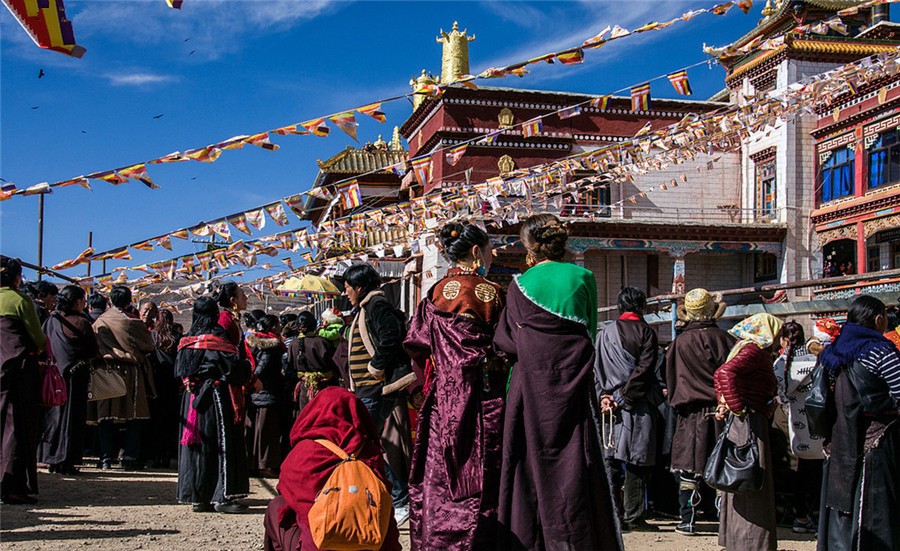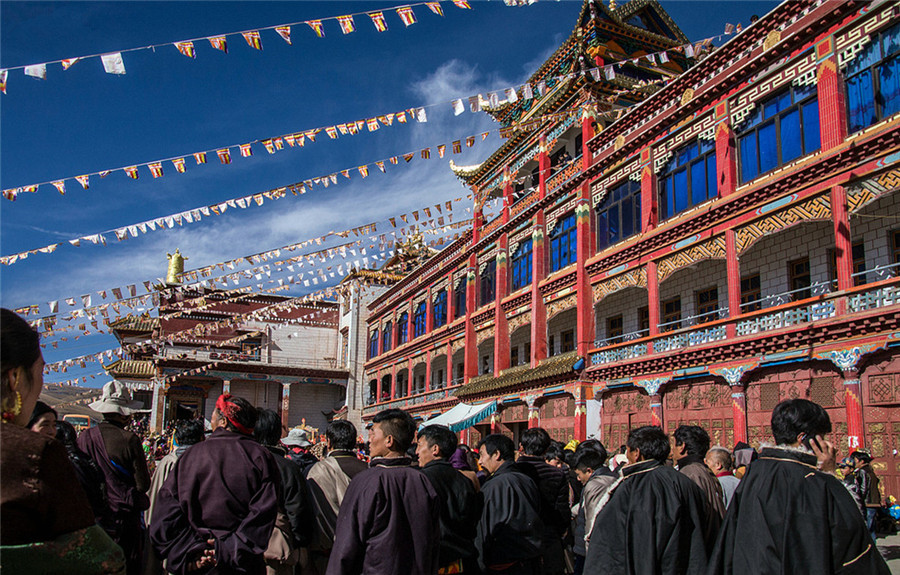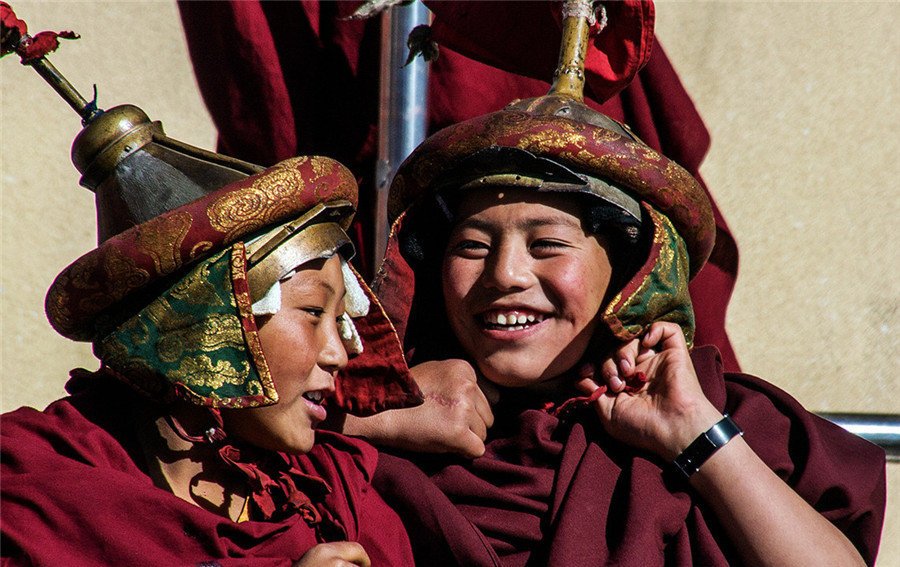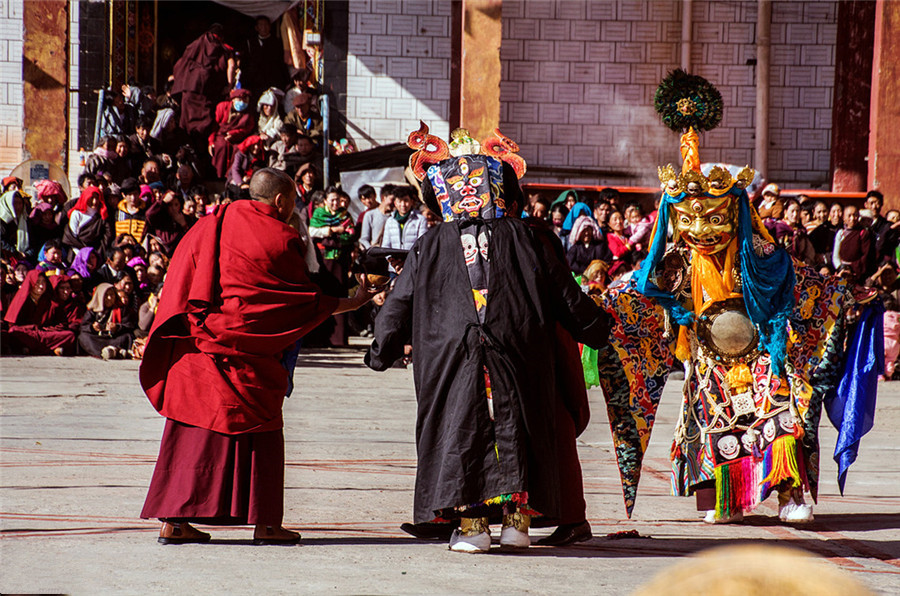
Kandze Monastery in Garze County, Garze
Kandze Monastery, also known as Ganzi Monastery (甘孜寺) or Garze Gompa, is a significant Tibetan Buddhist monastery located in the Garzê Tibetan Autonomous Prefecture (甘孜藏族自治州) of Sichuan Province (四川省), China. Situated just 2 kilometers north of Garzê Town (甘孜县城), the monastery is perched on a hilltop offering a commanding view of the town and the surrounding valley. It belongs to the Gelugpa (Yellow Hat) school of Tibetan Buddhism and has played a crucial role in the religious and cultural history of the region.
Historical Significance
Kandze Monastery was founded around 1642 CE by the Khoshut Mongols (霍尔蒙古), specifically the Qosot (霍尔) tribe, who established the monastery overlooking their castles, Mazur and Khangsar. The monastery quickly became one of the largest and most important Tibetan Buddhist centers in the Kham (藏区) region, with a peak population of 1,500 monks.
During its early years, the monastery became an important religious site for the local population, and it became famous for its extensive pilgrimage circuit, which spanned nearly 8 kilometers around the monastery.
Renovations and Modern Era
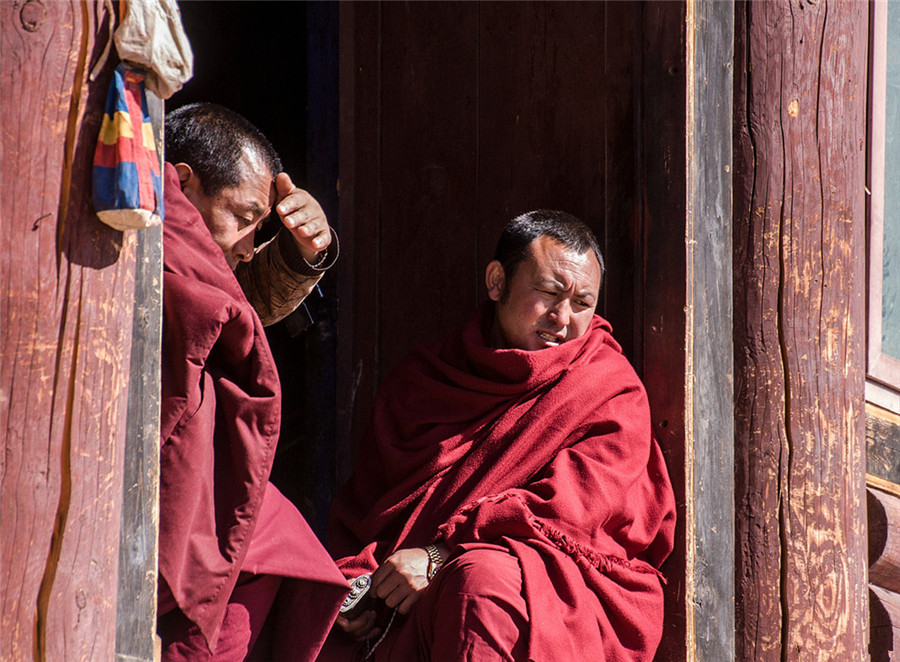
Although the monastery was severely damaged during the Cultural Revolution, it was rebuilt starting in 1981. Today, it houses approximately 700 monks, continuing its role as a center for both spiritual education and Tibetan Buddhist practice. The monastery also hosts three tulkus (reincarnate lamas), including one who returned from Switzerland to establish a girls’ school within the monastery’s grounds.
Architectural Highlights
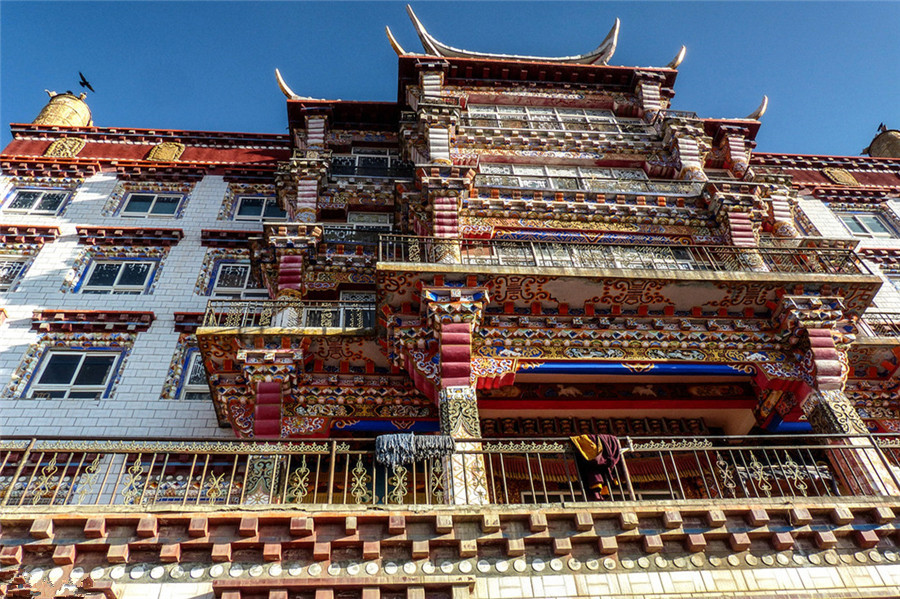
Kandze Monastery is a blend of traditional Tibetan and Han Chinese architectural styles, creating a unique and visually stunning structure. The monastery’s golden-roofed buildings stand out, offering breathtaking views of the valley and the town below.
Main Assembly Hall
The Assembly Hall is the focal point of the monastery. With its golden roof, the hall provides magnificent views of the surrounding landscape. Visitors reach the hall by ascending a long staircase, passing through corridors lined with red wooden columns.
Inside the hall, three sets of images are displayed in glass cabinets, representing the founders of the Nyingmapa (宁玛派), Kadampa (噶当派), and Gelugpa (格鲁派) lineages. The hall also houses several exquisite thangka paintings (唐卡画) of important meditational deities like Guhyasamaja, Cakrasamvara, and Yamantaka.
Maitreya Hall
The Maitreya Hall is another significant room in the monastery, where a massive image of Jampa (Maitreya), the Buddha-to-come, is displayed. This hall also contains statues of Shakyamuni (释迦牟尼佛), Tsongkhapa (宗喀巴), Dipamkara (度母), and Sitatapatra (释迦塔婆). The hall is dedicated to future Buddhas and embodies hope for the spiritual well-being of all beings.
Gonkhang (Protector Deities’ Room)
The Gonkhang (护法神殿) is a room dedicated to protector deities, including Mahakala and other guardian figures. It is accessed through a black and gold door and features vivid painted images of these deities, who are believed to protect the Dharma.
Library
The monastery’s library houses a significant collection of sacred texts, including the Kangyur (经藏), a central text of Tibetan Buddhism. The library also contains images of Avalokiteśvara (观音菩萨) in his eleven-faced form and the revered Je Tsongkhapa (宗喀巴), the founder of the Gelugpa school.
White Chorten (Stupa)
To the northeast of the monastery, on a hill, stands a reconstructed white chorten (白塔), a sacred stupa that serves as a site for meditation and prayer. The chorten provides a peaceful space for reflection and spiritual practice.
Cultural and Political Influence
Kandze Monastery has historically been a center of both religious and political power in the region. It formed strong political and religious alliances with the local Kongsa (孔萨) and Ma Shu (麻书) families, who were influential Tibetan aristocratic families in the area.
Alliance with Local Rulers
The monastery’s deep connections with the Kongsa Tsangpa (孔萨土司) family were vital in the development of the monastery. Kandze Monastery was closely aligned with the Tsangpa lords and played a significant role in local governance. Each year, during the Tibetan New Year, the monastery would hold large prayer ceremonies, during which 21% of the offerings would be sent to the Kongsa family. The family would also provide the monks with food as a gesture of goodwill.
In times of conflict, the monastery often played an active role in mediation and conflict resolution. During the 1939 Kandze Incident (甘孜事变), a violent confrontation between local Tibetan forces and the Chinese military, the monks of Kandze Monastery organized suicide squads to protect the monastery and its surrounding community.
Religious Practices and Ceremonies
Annual Prayers and Rituals
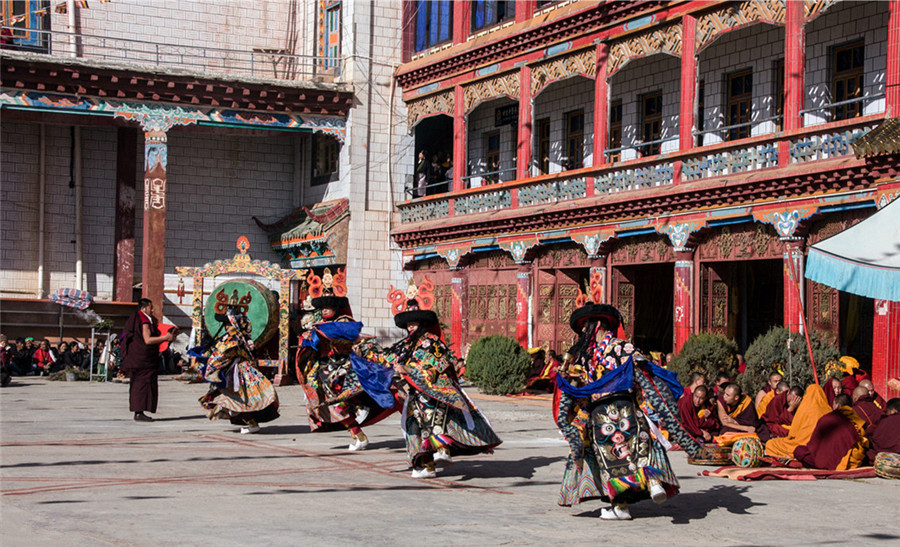
Kandze Monastery is a vibrant center for religious rituals, particularly during the Tibetan New Year (藏历新年). During this time, large prayer assemblies are held, and the monastery becomes a focal point for both locals and pilgrims.
Throughout the year, the monks engage in daily prayer and meditation, continuing the rich tradition of Tibetan Buddhism. Their practice includes mantras, meditations, and rituals dedicated to various deities and protector spirits.