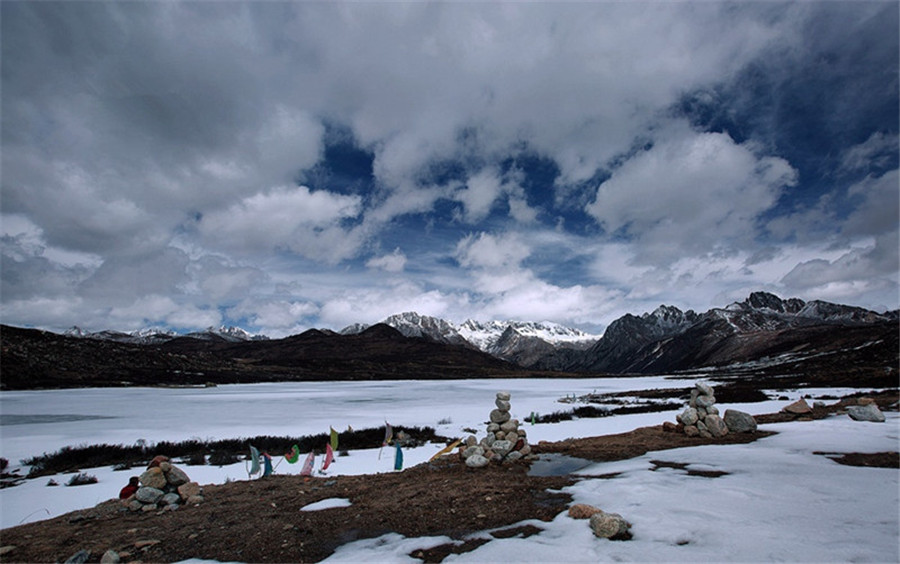
Haizi Mountain between Daocheng and Litang Counties, Garze

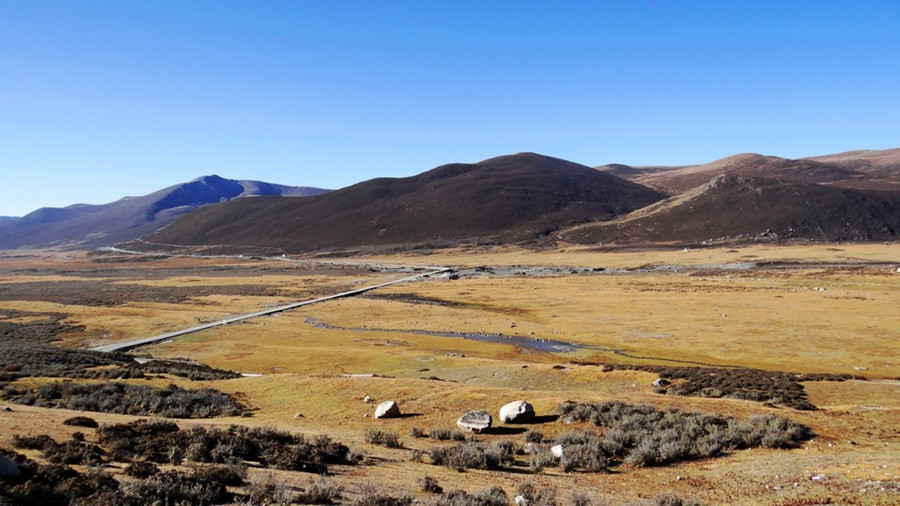
Haizi Mountain (海子山) is located between Daocheng County (稻城县) and Litang County (理塘县) in the Garze Tibetan Autonomous Prefecture (甘孜藏族自治州), Sichuan Province (四川省), and serves as the watershed between the Yalong River (雅砻江) and Jinsha River (金沙江). It forms part of the Hengduan Mountain Range (横断山脉) and is a spectacular high-altitude region of the Qinghai-Tibet Plateau (青藏高原).

Geography and Climate

Location and Elevation

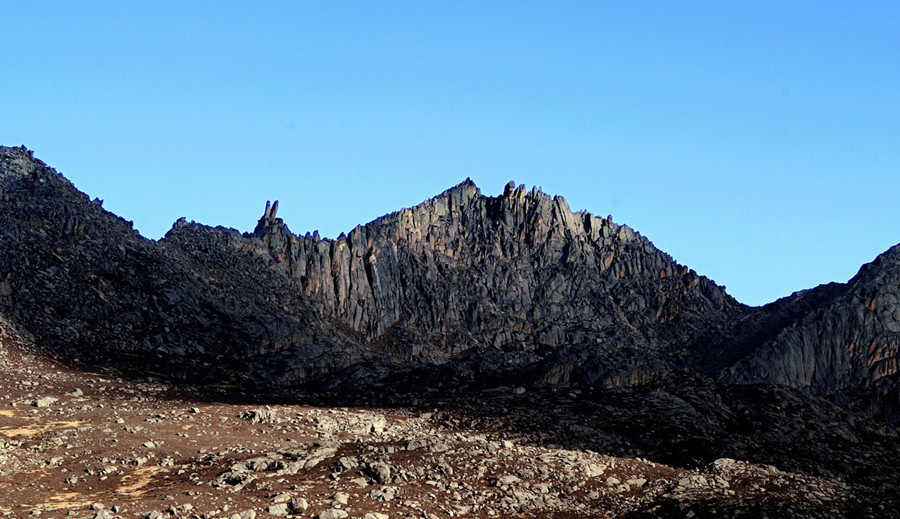
Haizi Mountain lies at an average elevation of 4,410 meters (14,468 feet) above sea level. The main peak, Xiasai Peak (夏塞峰), also known as Nitgangri Peak (尼特岗日峰), reaches 5,388 meters (17,677 feet) in height. The mountain is renowned for its unique glacial remnants, which include over 1,145 lakes (海子) scattered throughout the landscape, making Haizi Mountain a significant glacial site in China.

Climate

Haizi Mountain has a cold, dry plateau climate, characterized by intense sunlight and short frost-free periods. The average annual temperature is around 3°C (37.4°F), with an annual rainfall of 600-750 mm. The rainiest months are June to August, with temperatures and precipitation increasing as altitude rises.

Geological Features

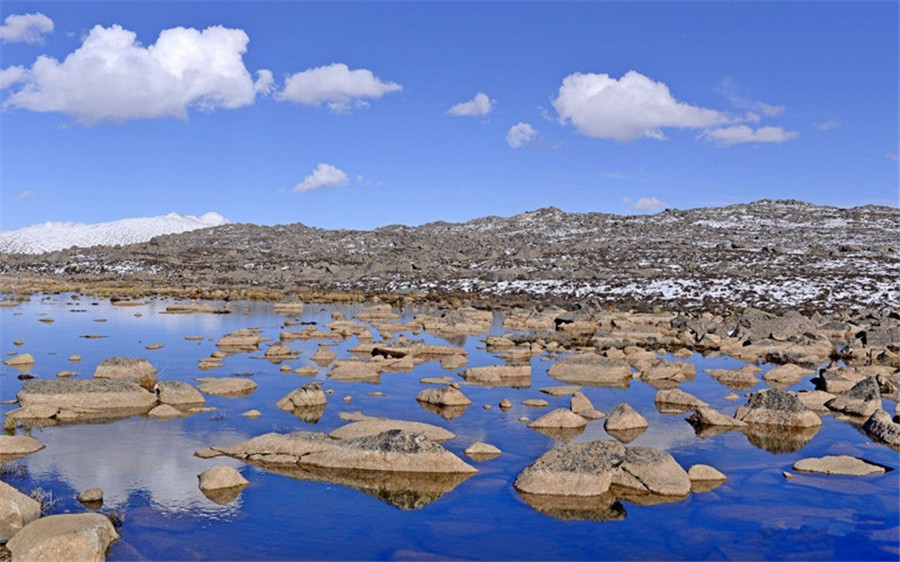
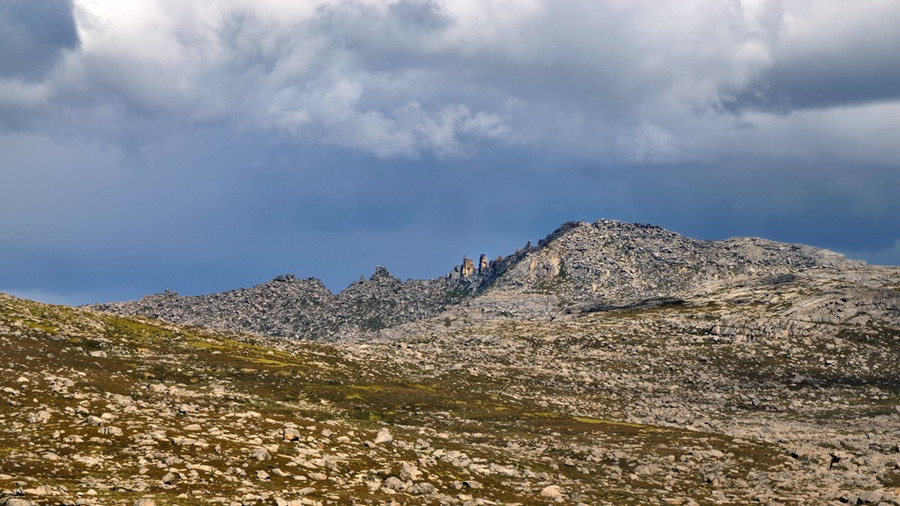
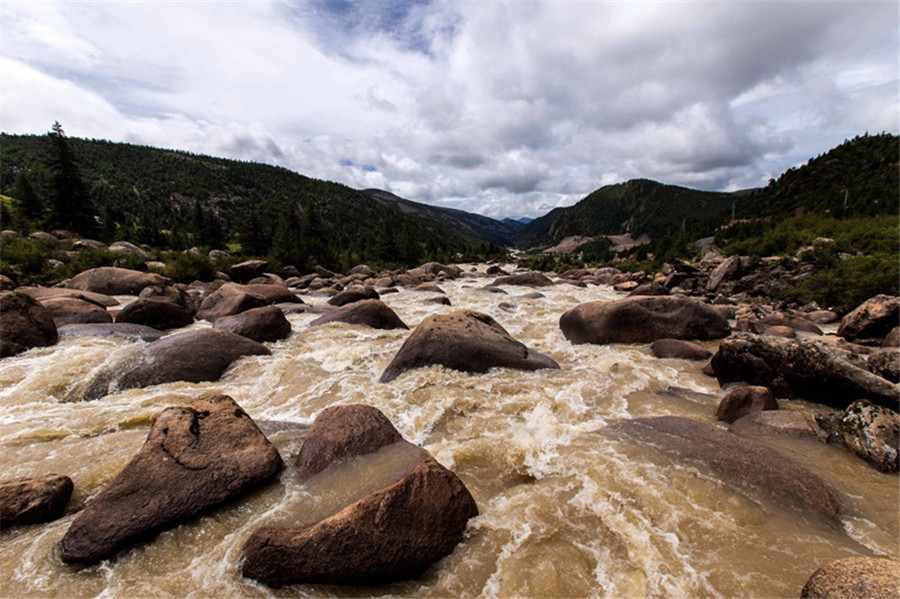
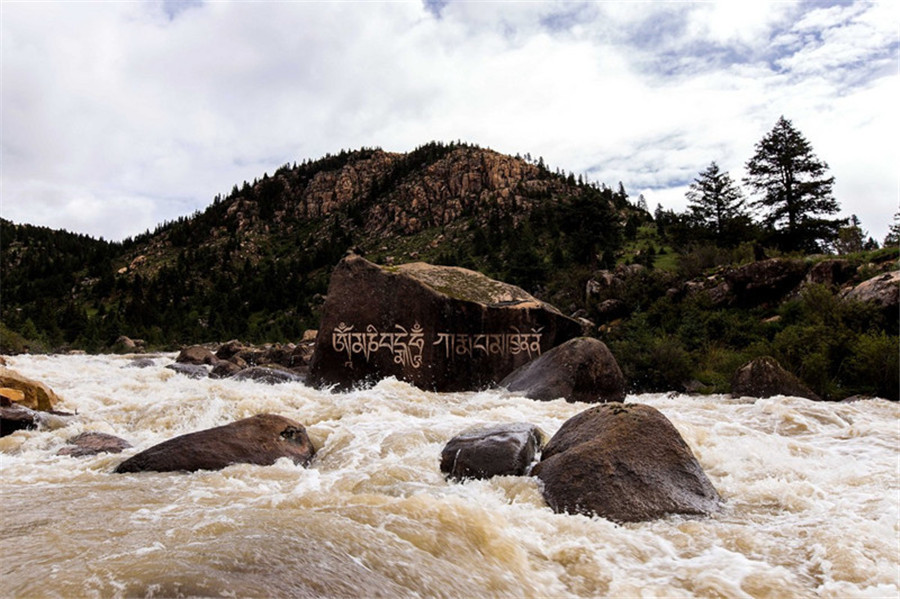
Haizi Mountain’s terrain is rugged, featuring many granite boulders from the Yanshan period (燕山期). The region has well-developed glacial erosion landforms, including cirques, U-shaped valleys, and glacial lakes. These landscapes are remnants of the Quaternary Ice Age, making Haizi Mountain one of the largest ancient glacial formations on the Qinghai-Tibet Plateau.

Natural Beauty and Lakes

Glacial Features

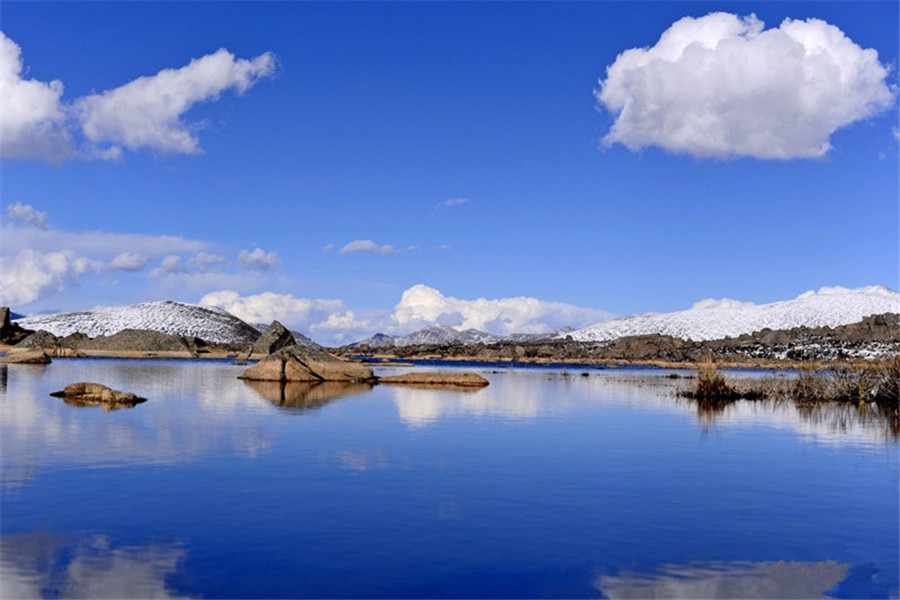
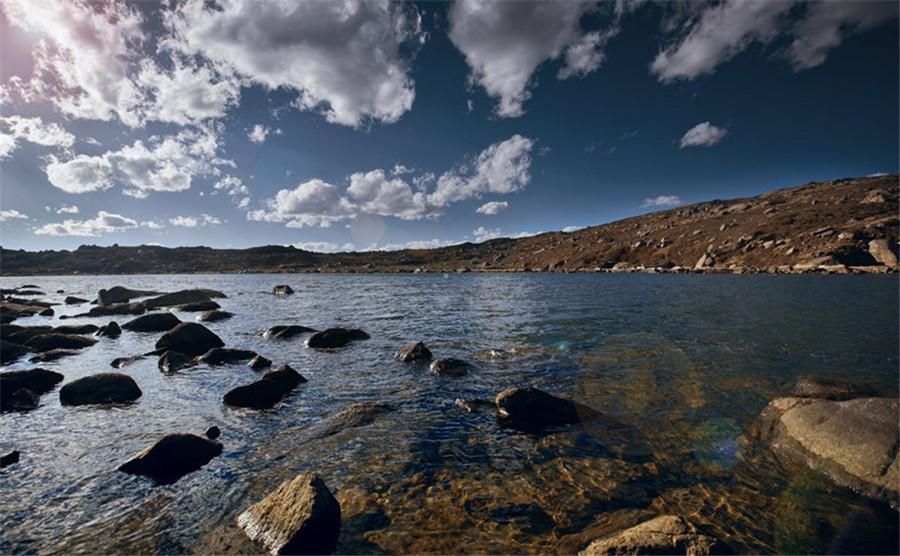
Haizi Mountain is home to Qinghai-Tibet Plateau’s largest ancient glacial relics, including glacial moraines, glacial lakes, and serpentine hills. The small hills and lakes (海子) on the plateau resemble the surface of Mars, with the “Haizi” lakes giving the mountain its name. The dynamic nature of the lakes makes the area constantly changing, with some lakes disappearing and others forming due to varying precipitation levels each year.

Lakes and Biodiversity

There are over 1,145 lakes scattered across the mountain, each varying in size. The most well-known among them are Xingyicuo Lake (兴伊措), Dongcuo Lake (冬措), Yincuo Lake (银措), and Ecuo Lake (额措). These lakes provide a stunning backdrop for nature photography and exploration. The Haizi Mountain Nature Reserve (海子山自然保护区) protects these lakes and surrounding ecosystems, which are home to a diverse range of flora and fauna.

Flora and Fauna

Vegetation Zones

The vegetation on Haizi Mountain varies according to altitude:

  • Below 4,050 meters: Broad-leaved forests, with species such as Mountain Oak (川滇高山栎) and White Birch (白桦).

  • Below 4,200 meters: Mixed forests of Cold Fir (川滇冷杉) and Lijiang Spruce (丽江云杉).

  • Between 3,900-4,400 meters: Needle forests dominated by species such as Giant Red Cedar (大果红杉).

  • Alpine Meadows are found between 3,500-4,700 meters, with grasses and other vegetation thriving in these conditions.

Wildlife

Haizi Mountain is home to diverse wildlife, including deer, wild boars, bears, leopards, and rare white-lipped deer. The region also supports high-altitude fish species like the Yellow Plateau Fish (高原黄鱼).

Historical and Cultural Significance

Historical Events

  • LHAASO Cosmic Ray Observatory (高海拔宇宙线观测站) is located on Haizi Mountain. This observatory is the largest and most sensitive cosmic ray detection station in the world, playing a key role in studying the origin of cosmic rays.

Climbing History

  • The first successful ascent of Xiasai Peak (夏塞峰) occurred in 2005 by climbers Karen McNeil from Canada and Pat Deavoll from New Zealand.

  • Other successful ascents have been made by teams from Austria (2009) and Sichuan Exploration Team (2010).

Cultural Heritage

The name “Haizi” (海子) refers to the numerous lakes scattered across the mountain. The name was inspired by the unique density of lakes in this region, with a concentration unmatched anywhere else in China.

Value and Environmental Importance

Scientific and Environmental Significance

The ancient glacial features of Haizi Mountain are key evidence of the Quaternary Ice Age, marking one of the most significant climatic events in Earth’s history. These features serve as a direct geological record of the climate fluctuations that occurred during the last ice age, providing valuable data for climate change research.

Preservation and Conservation

Haizi Mountain is home to some of the most unique and pristine landscapes on the Qinghai-Tibet Plateau. The Haizi Mountain Nature Reserve ensures the protection of its glacial features and biodiversity. Additionally, plans for the development of an astronomical and archaeological park in Daocheng County (稻城县) highlight the growing importance of the region for both scientific and cultural exploration.

Conclusion: A Unique Destination for Nature and Science Enthusiasts

Haizi Mountain is not only a natural wonder but also an important scientific and cultural destination. Whether you are a nature lover, a geology enthusiast, or a climber looking for a challenging peak, Haizi Mountain offers an unparalleled opportunity to explore one of the most pristine and fascinating regions on the Qinghai-Tibet Plateau.