Baili Monastery in Garze County, Garze

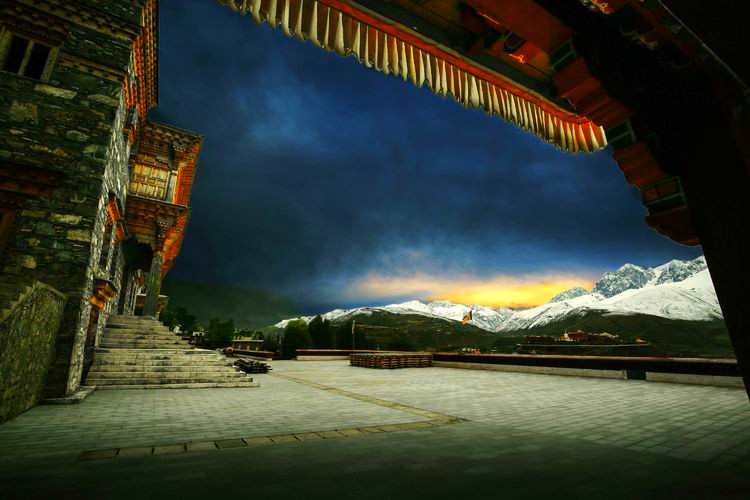
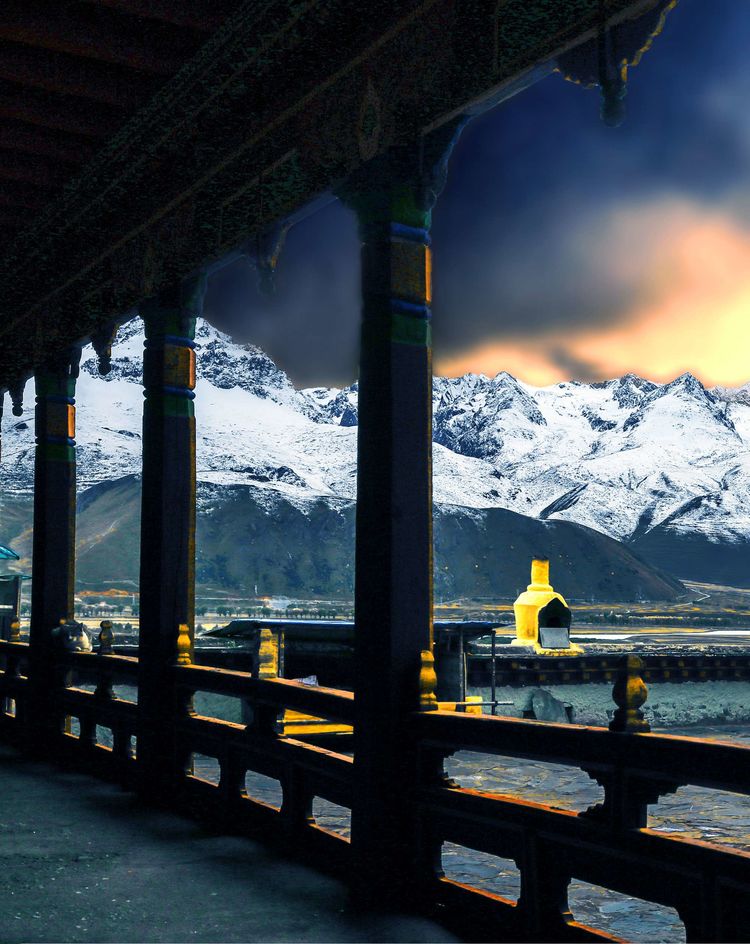
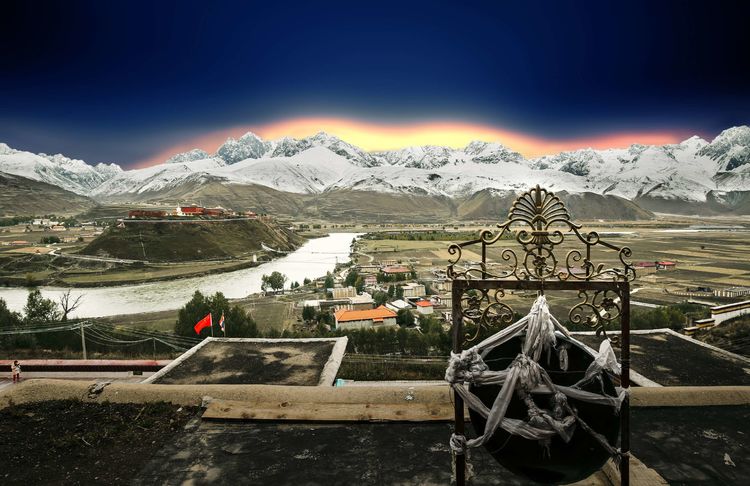
Baili Monastery (白利寺), officially named Bairi Lizhongsheng Xiang Monastery (白日利众生祥寺), meaning “Qinggang Mountain Auspicious Land Benefiting All Beings,” is located in Shengkang Township (生康乡), Ganzi County (甘孜县), Ganzi Tibetan Autonomous Prefecture (甘孜藏族自治州), Sichuan Province. It stands on a terrace north of the Yalong River (雅砻江) and covers an area of 19,000 m².

The monastery was founded in the first year of Emperor Kangxi of the Qing Dynasty (1662) by disciple Huo·Quji Angweng Pengcuo under the commission of the Fifth Dalai Lama. As one of the 13 Gelugpa monasteries in the Hor region, it holds both religious and revolutionary significance—when the Chinese Red Army passed through Ganzi in 1936, it was stationed here.

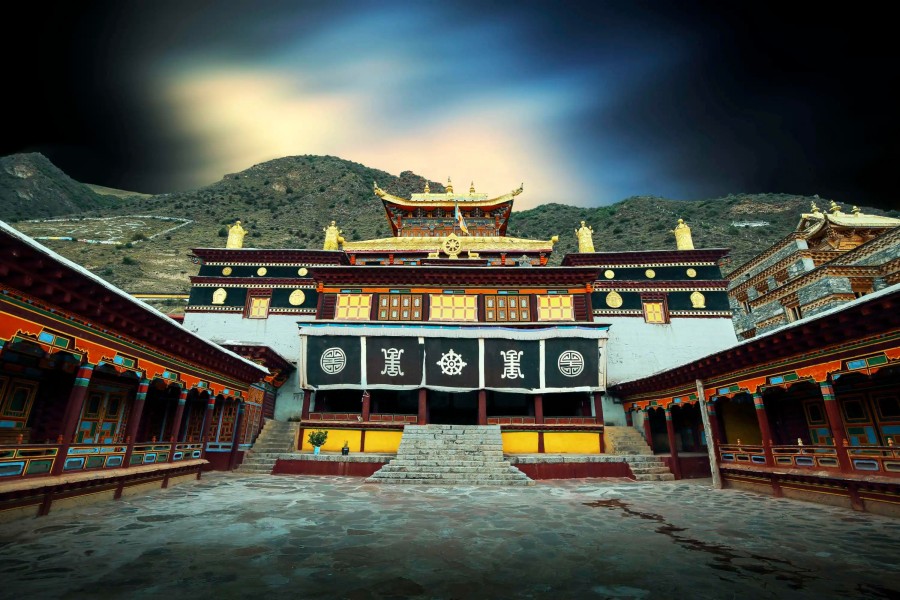
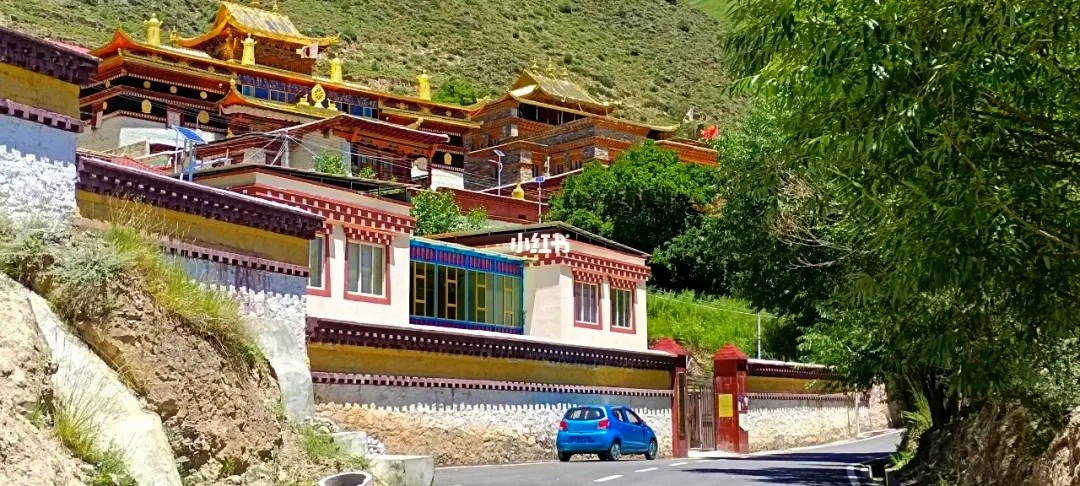
Baili Monastery faces south, with traditional Tibetan-style architecture featuring a three-story fortress-like main hall. The monastery integrates Tibetan Buddhism with Red Army revolutionary history, making it both a sacred site and a patriotic education base. In 2006, it was listed as a National Key Cultural Relics Protection Unit by the State Council of China.

  • Location: Shengkang Township, Ganzi County, Sichuan
  • Area: 19,000 m²
  • Founded: 1662 (Qing Dynasty, Kangxi era)
  • Altitude: Facing Yalong River, backed by Qinggang Mountain
  • Protection Status: Sixth batch of National Key Cultural Relics (2006)

Historical Development

  • 1662: Built by Huo·Quji Angweng Pengcuo under the Fifth Dalai Lama’s direction.
  • 1936: During the Red Army’s Long March, the Fifth Geda Living Buddha mobilized Baili Monastery monks and local people to provide 34,000 jin of grain to support the Red Army. He was warmly received by Commander Zhu De. He later served as vice chairman of the Central Boba Government, the first Tibetan revolutionary government.
  • 1960s: The monastery suffered damage during political turmoil.
  • 1983: A memorial hall for Geda Living Buddha was established inside the monastery.
  • 2006: Officially listed as a National Key Cultural Relics Protection Unit.

Architectural Features

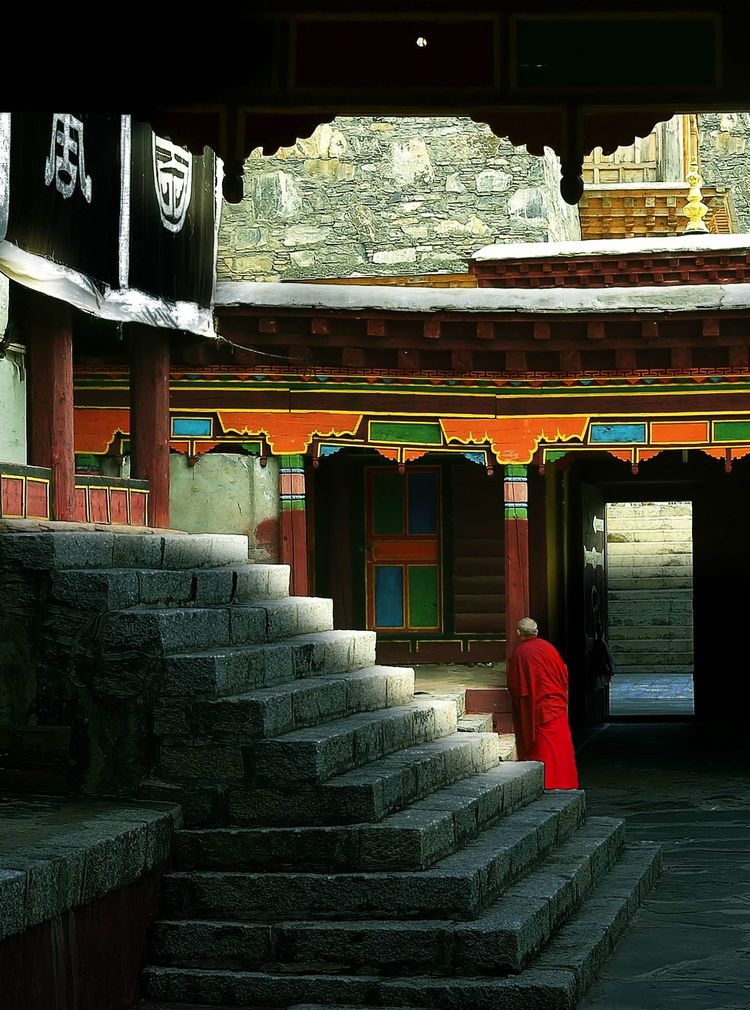
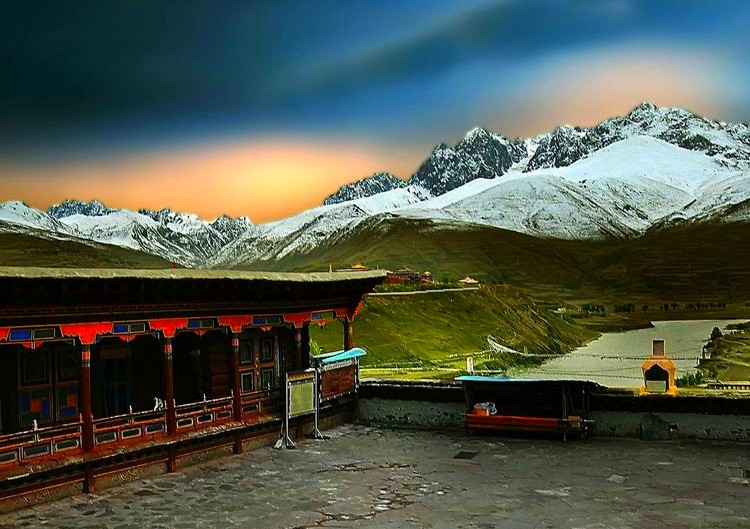
Baili Monastery sits on the northern bank of the Yalong River, backed by Qinggang Mountain, facing south. Its rectangular layout follows traditional Tibetan architecture with earth-and-wood structures.

  • Main Hall: Three-story fortress-like building. The first floor is the Buddha Hall with five rooms, painted beams, colorful murals, and three gilded Buddha statues, each 5 meters tall.
  • Upper Floors: Living quarters for Living Buddhas and lamas. The second floor houses a memorial hall for Geda Living Buddha.
  • Murals & Relics: Qing Dynasty murals, statues, scriptures, ritual objects, and Red Army relics from the Long March period.

Cultural Significance

  • Name Origin: “Baili” in Tibetan means “Qinggang Mountain,” after the monastery’s location.
  • Geda Living Buddha (1903–1950): A patriotic Tibetan religious leader who supported the Red Army and served as vice chairman of the Central Boba Government. He later worked for the peaceful liberation of Tibet and was assassinated in Chamdo in 1950.
  • Legends: A local story recounts that 400 years ago, a lama believed to be a reincarnation of Medicine Buddha built the original Maitreya Hall on farmland donated by villagers.

Protection Measures

  • 1959: Designated as a protected monastery by Ganzi Tibetan Autonomous Prefecture.
  • 1980s: Listed as a Sichuan Provincial Key Cultural Relics Unit.
  • 2006: Elevated to National Key Cultural Relics Protection Unit by the State Council.

Travel Tips

  • Visiting Hours: Open daily, no ticket required.
  • Best Season: May to October, when weather is stable for travel in Ganzi.
  • Cultural Etiquette: Respect local Tibetan Buddhist customs, avoid touching statues or ritual objects.
  • Red Army Heritage: Visit the memorial hall to learn about the integration of Tibetan Buddhist culture and revolutionary history.
  • Photography: Interior murals and relics may be restricted for photography—ask for permission first.
  • Transport: Accessible from Ganzi County; consider arranging local transport as public options are limited.