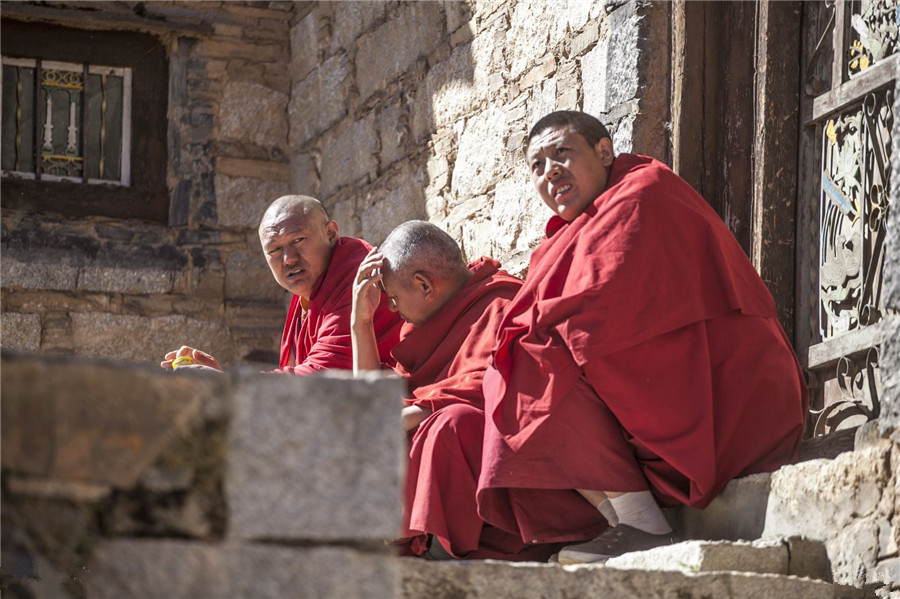
Gongga Langjiling Monastery in Daocheng County, Garze

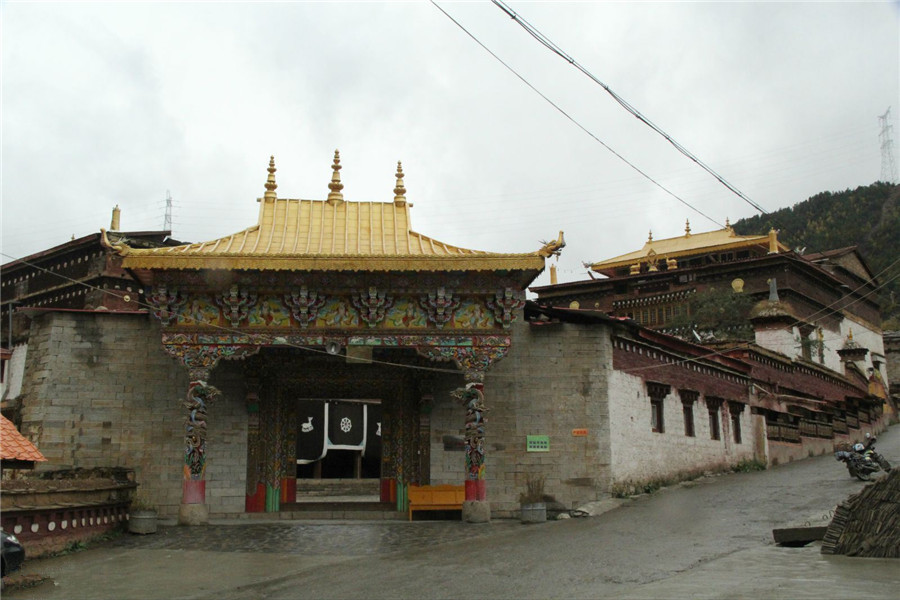
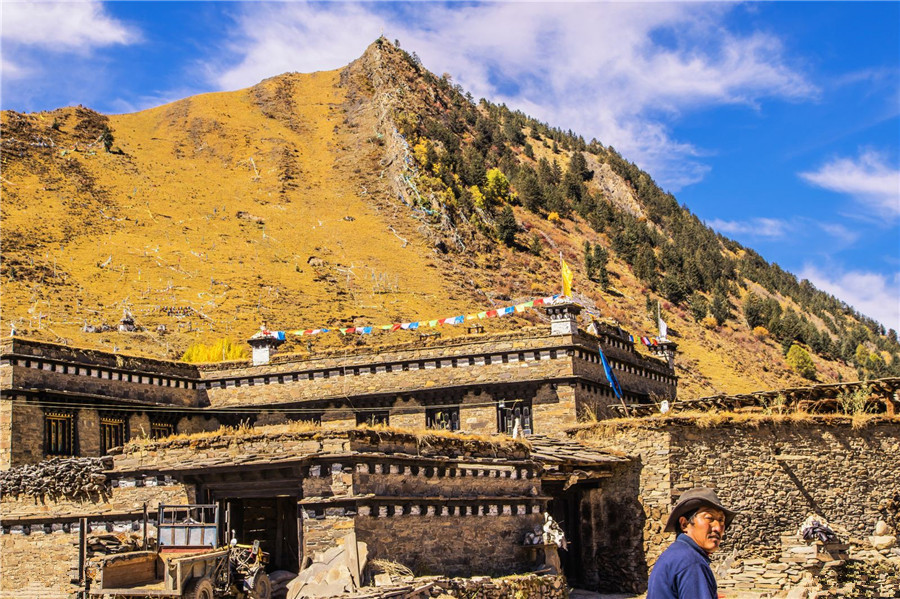
Located in Daocheng County (稻城县), Garzê Tibetan Autonomous Prefecture (甘孜藏族自治州), Sichuan Province, the Kungaling Monastery (贡嘎朗吉岭寺), also known as Gongga Langjiling Monastery, stands at an elevation of 3,335 meters (10,942 feet). Nestled between the Red-soil River (赤土河) and the towering Axi Mountain (阿西山), the monastery offers visitors a tranquil and spiritual atmosphere, surrounded by stunning natural beauty.

Historical Significance

Foundation and Purpose

Built in 1642 AD during the Ming Dynasty, the Kungaling Monastery was founded by Jiabukang Zhuo Luorong Dianhui (甲布康珠·罗绒颠回) and is the largest Yellow Sect (Gelugpa) monastery in Daocheng. The name “Kungaling” translates to “Snowy Land of Victory” (雪洲), inspired by the three snow-capped mountains surrounding the monastery. Initially, the monastery covered 500 acres and housed over 300 monks.

Cultural and Religious Role

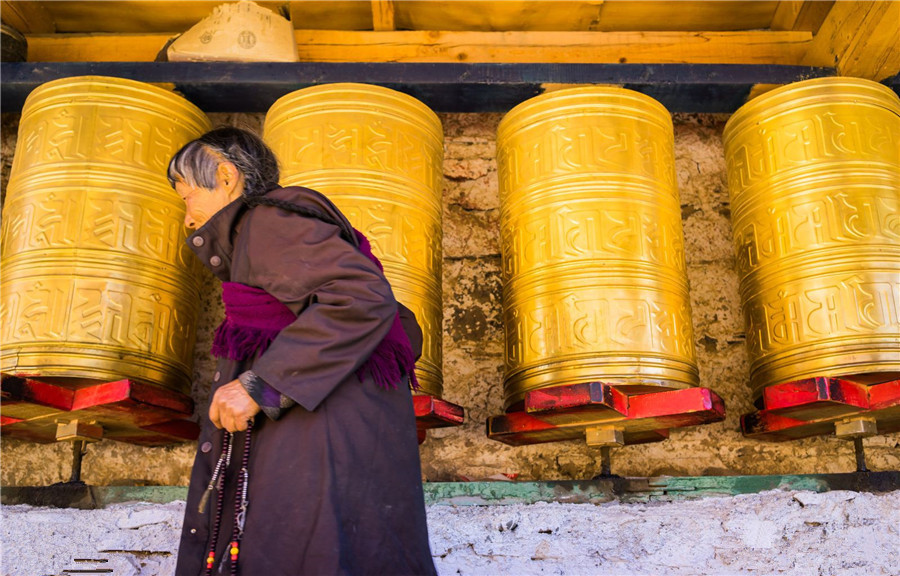
In Tibetan culture, the monastery is of immense significance. It was historically the administrative center for the region and a key pilgrimage site. Before embarking on the sacred journey around Gongga Mountain (贡嘎山), Tibetans would stop at the monastery to seek blessings for a safe and successful trip. The Maitreya Buddha statue (弥勒佛像) housed in the monastery was gifted by the 5th Dalai Lama (五世达赖), and according to legend, the statue miraculously spoke, leaving Lhasa’s Potala Palace (布达拉宫) to reside at Kungaling Monastery.

Architecture and Structure

Monastery Layout

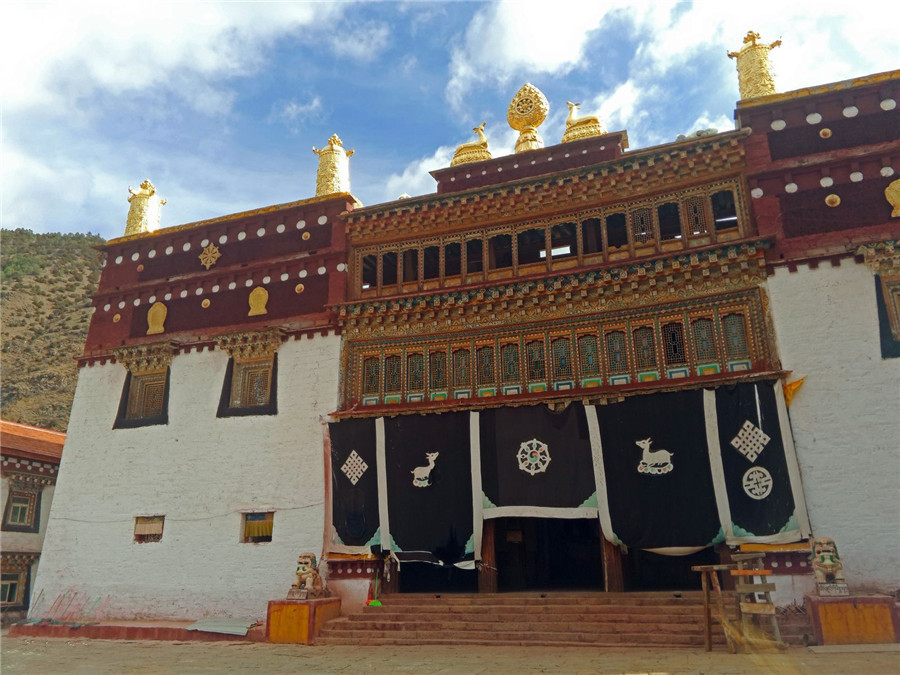
The monastery is relatively small but impressively positioned with a grand architectural structure. It consists of two taller buildings located in the northwest, while low, single-story buildings line the southeast, housing kitchens, storage rooms, and monks’ dormitories. The monastery is surrounded by scenic views, making it an ideal spot for contemplation and prayer.

Wall Murals and Relics

Visitors can admire the intricate wall paintings and historical relics, including the Maitreya Buddha statue. This statue is a precious cultural artifact and a symbol of the monastery’s spiritual heritage.

Historical Damage and Restoration

The monastery has faced significant destruction over the centuries. In 1905, during the Guxun incident (凤全事件), the monastery was burned down, but it was later restored. It suffered further damage during the Cultural Revolution (文化大革命). However, since 1984, efforts to restore the monastery have been ongoing. Notably, the 10th Panchen Lama (十世班禅大师) visited in 1984, conducting Buddhist ceremonies and revitalizing the spiritual significance of the site.

Visiting Kungaling Monastery

Spiritual Experience

The monastery is a place for reflection and spiritual connection. Visitors can observe or even participate in Buddhist ceremonies, where monks offer prayers and share insights into Tibetan Buddhist traditions. The serene atmosphere of the monastery makes it a peaceful retreat for those seeking to deepen their spiritual understanding.

Tourist Services

Monks at the monastery may offer explanations of the history and murals to interested visitors. The Kungaling Monastery is free to visit, though donations are appreciated to support its upkeep and the daily needs of the monks.

Accessibility

Located on the road from Daocheng Town (稻城县) to Riwa Township (日瓦乡), the monastery is easily accessible by car. Travelers can enjoy the scenic drive through Tibetan villages and valleys, which enhances the overall experience.

Best Time to Visit

The ideal time to visit Kungaling Monastery is during the spring and summer months (May to September) when the weather is mild and the natural surroundings are at their most vibrant. For those seeking a quieter visit, the winter months can provide a serene, peaceful experience, although it may be colder.