Laigu Glacier in Baxoi County, Qamdo
Laigu Glacier, located in Baxoi County (八宿县) of Chamdo Prefecture (昌都地区), Tibet, is a captivating glacier system near Laigu Village. This glacier, situated next to the pristine Rawok Lake (然乌湖), is the source of the Parlung Zangbo River (帕隆藏布) and is surrounded by beautiful forests, traditional Tibetan villages, and breathtaking mountain scenery. The glacier region, with its towering peaks and flowing ice rivers, offers an exceptional natural experience for visitors.
Geographic Overview
Laigu Glacier is located in the southeastern part of the Qinghai-Tibet Plateau (青藏高原), near one of Tibet’s most beautiful lakes, Rawok Lake. This area is well known for its stunning glacial features and favorable climatic conditions that support the development of glaciers. The region benefits from abundant rainfall and cold winds brought by the Indian Ocean monsoon, making it an ideal location for marine-type glaciers (海洋性冰川).
Laigu Glacier itself is made up of several glaciers, including:
Meixi Glacier (美西冰川)
Yalong Glacier (雅隆冰川)
Ruojiao Glacier (若骄冰川)
Dongga Glacier (东嘎冰川)
Xiongjia Glacier (雄加冰川)
Niuma Glacier (牛马冰川)
Among these, Yalong Glacier stands out for its size and beauty. Stretching 12 kilometers, it extends from the summit of Gangri Gabu Mountain (岗日嘎布山) at 6606 meters to the lower elevations near Laigu Village at approximately 4000 meters above sea level. The black-and-white medial moraines (中碛) add a unique visual appeal to the glacier, enhancing its magnificence.
Scenic Features
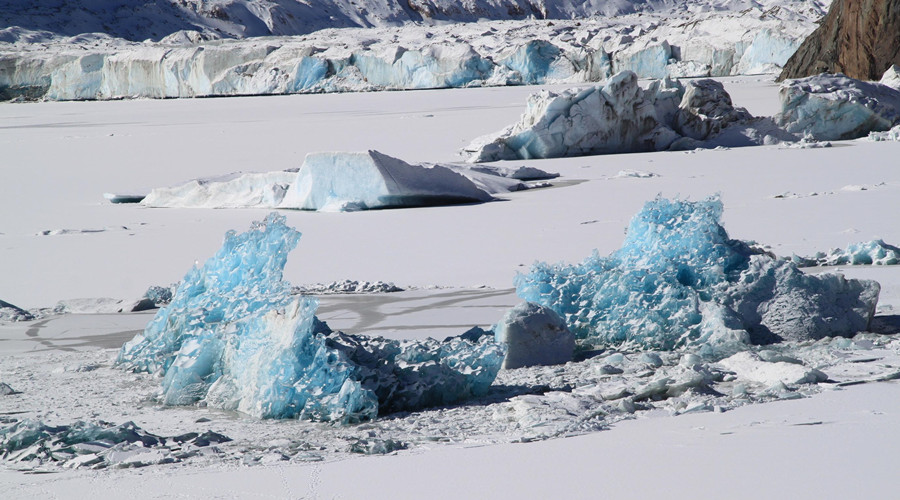
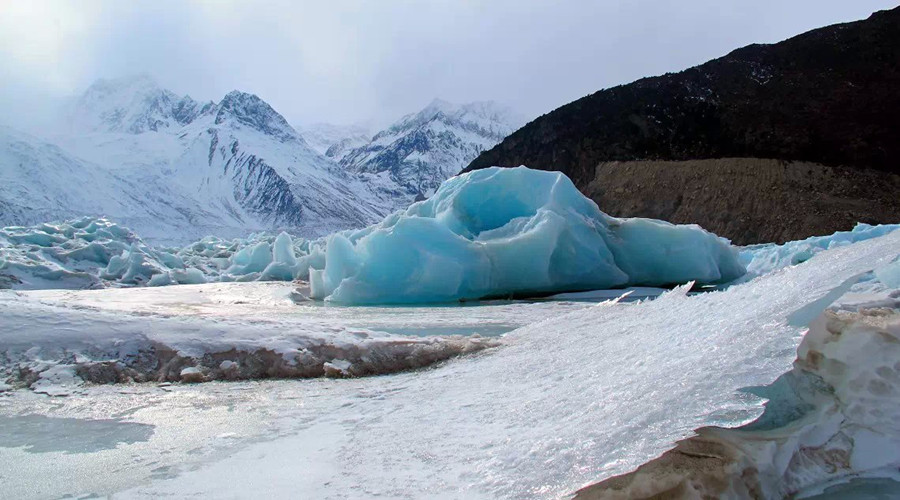
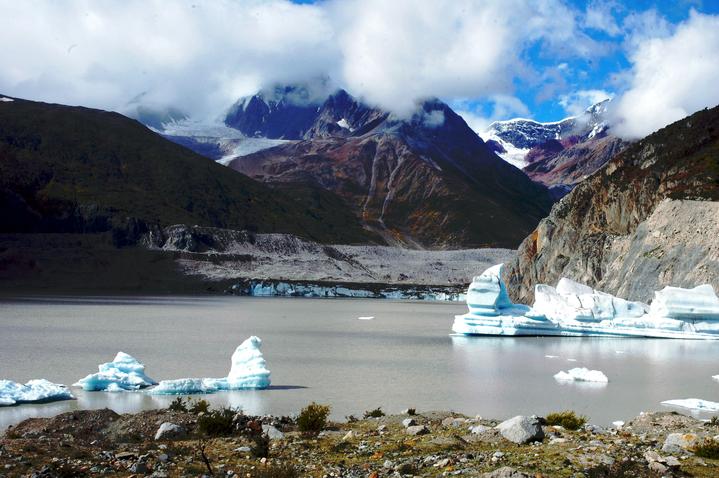
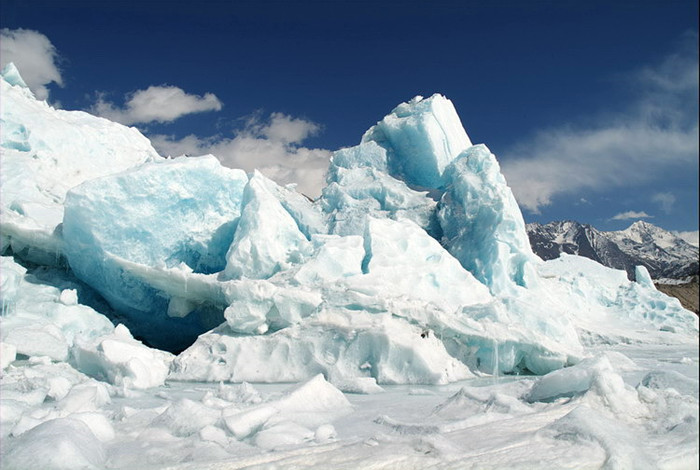
The Laigu Glacier area is a visual feast, with numerous ice lakes (冰湖) formed by melting glaciers. Each ice lake reflects different colors due to the varied geological and soil conditions in the area. Some of these lakes even feature floating icebergs, evoking a surreal, Antarctic-like atmosphere. The glaciers’ ends, where they meet the ice lakes, expose deep blue ice layers that rise several meters, adding to the grandeur of the landscape.
The entire region is encircled by glaciers, offering a panoramic view of the surrounding ice rivers, which split into several parts as they descend from the mountains. From Laigu Village, visitors can marvel at the sight of Yalong Glacier, Meixi Glacier, Ruojiao Glacier, Dongga Glacier, Xiongjia Glacier, and Niuma Glacier. The area provides one of the most exceptional glacier-viewing experiences in the world.
Cultural and Human Landscape
Laigu Village, nestled in the heart of this glacier region, remains largely untouched by modern development. The village is a traditional Tibetan settlement, with houses scattered across the surrounding landscape. The village’s name, “Laigu” (藏语), translates to “a hidden paradise,” reflecting its secluded and tranquil nature.
Though remote, the village has modern touches, such as young residents who speak Mandarin and some families who offer simple Sichuan-style meals to visitors. Staying in Laigu Village allows travelers to experience authentic Tibetan hospitality, with homes serving traditional butter tea (酥油茶), barley cakes (青稞糍粑), and sometimes even homemade Sichuan dishes.
Laigu Village is a semi-agricultural, semi-pastoral settlement. Its scattered homes are grouped into small clusters, with some located up to three kilometers apart. The village offers a unique glimpse into traditional Tibetan life, with families living in harmony with the surrounding nature. Some homes even have small generators and motorbikes, reflecting a mix of tradition and modernization.
Photography Tips
Best Time for Photography: April is the best time to photograph the glaciers, as the weather is stable, and the ice lakes are more accessible.
Best Photography Locations:
-
Ice Erosion Lakes: These lakes, located near the glacier’s tongue, provide an excellent opportunity to capture the intricate details of the ice formations.
-
Laigu Village: The village itself offers a panoramic view of the glaciers, with their expansive scale and contrasting features.
Safety Precautions: In winter, the ice lakes freeze thick enough to walk on, allowing for safe exploration. However, in other seasons, the ice may be unstable, so visitors should avoid venturing onto the lakes.
Travel Information
How to Get There
Laigu Glacier can be accessed via National Highway 318 (318国道) and the Chala Road (察然公路). Travelers can reach Laigu Village from several Tibetan cities, including Lhasa (拉萨), Chengdu (成都), and Chamdo (昌都) by bus or private car.
For those traveling by car, a 4WD vehicle is recommended due to the rugged terrain, which includes river crossings and unpaved roads. From Rawok Town (然乌镇), visitors can drive along provincial roads to reach Laigu Village. For a more adventurous option, visitors can trek from Rawok Town to Laigu Village, which takes approximately 10-12 hours, passing through several picturesque villages.
Accommodation
In Laigu Village: Visitors can stay with local Tibetan families, enjoying a simple, authentic experience. Accommodation is free or involves small tokens of gratitude, such as candy or school supplies for the children.
Nearby Towns: Rawok Town offers budget guesthouses and youth hostels with beds priced around CNY 20 per night. There are also several local restaurants offering Tibetan and Sichuan food.
Best Time to Visit
Autumn (September to November): The weather is stable, and the autumn colors enhance the beauty of the glaciers and surrounding landscape.
Winter (December to February): The glaciers and ice lakes are at their most dramatic, but the weather can be harsh, so proper gear is essential.