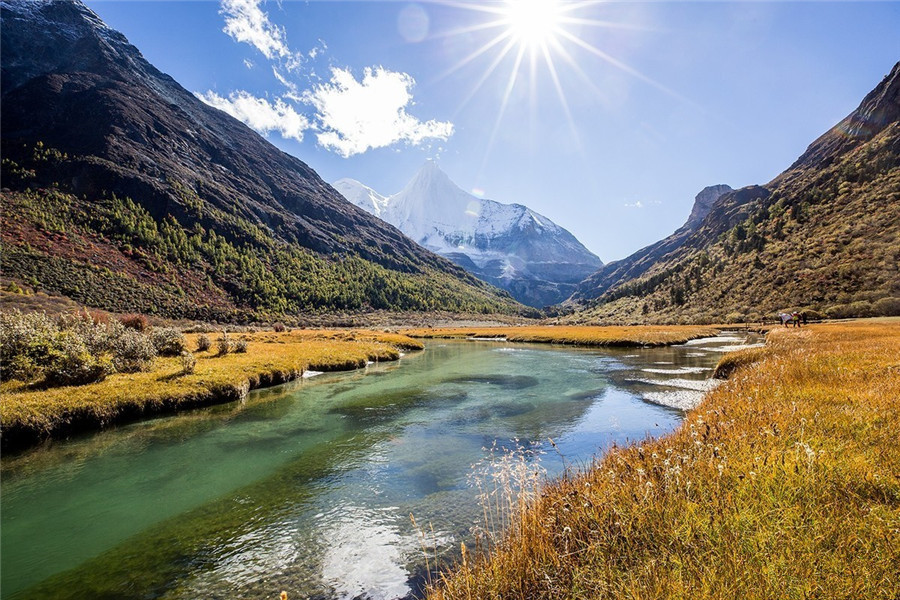
Nyenchen Gonggar Risong Gongbu in Daocheng County, Garze
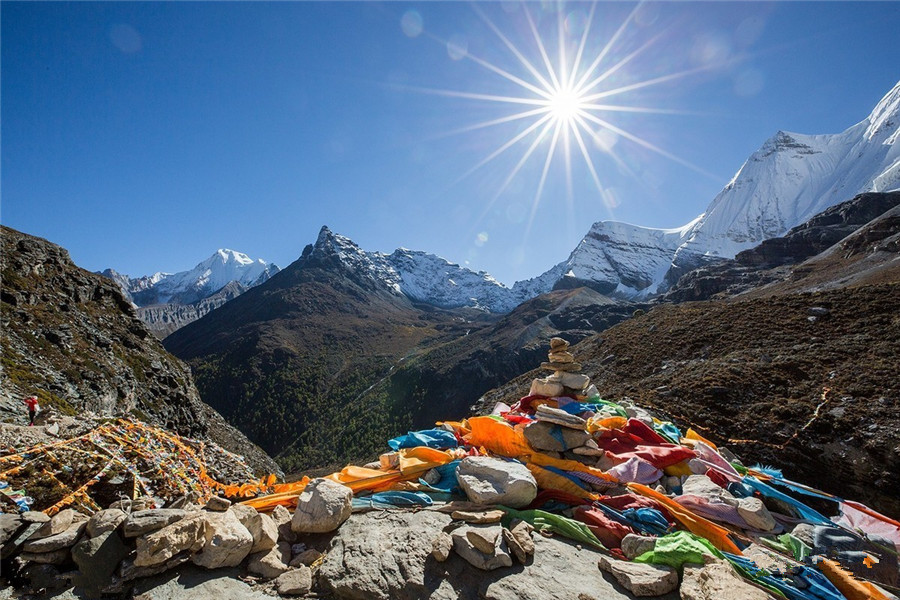
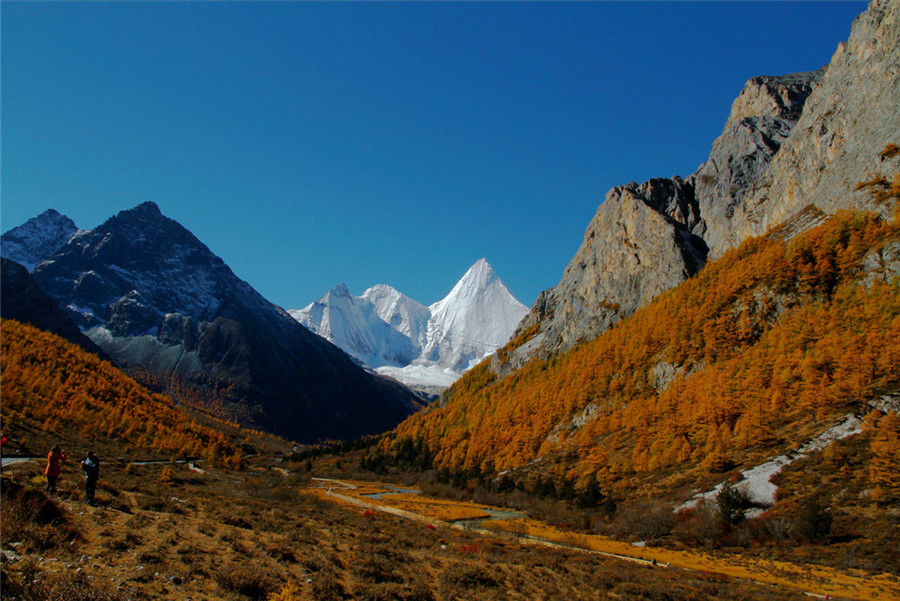
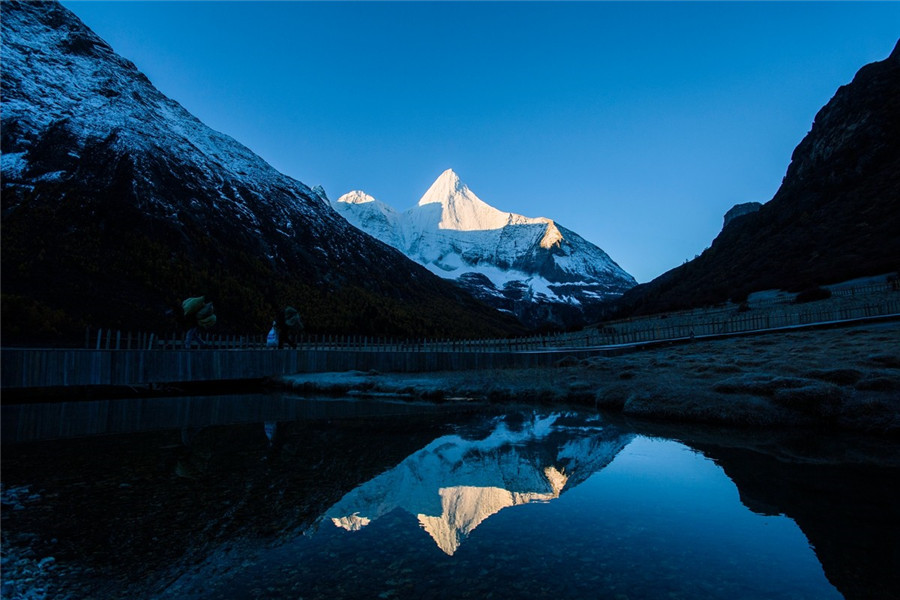
Nyenchen Gonggar Risong Gongbu (甘孜州稻城县稻城三神山/三怙主雪山/贡嘎日松贡布) is a prominent sacred mountain range located in Daocheng County, within the Yading Nature Reserve in Sichuan Province. This extraordinary site is often referred to as the “Three Holy Mountains” (三怙主雪山) in Tibetan Buddhism, and it is one of the most revered pilgrimage destinations for Tibetan Buddhists.
The mountain range covers an area of over 1,000 square kilometers and consists of three separate peaks arranged in a unique “品” (pin) shape. The three snow-capped peaks are:
-
North Peak: Xian Nai Ri (仙乃日) – 6,032 meters
-
South Peak: Yang Mai Yong (央迈勇) – 5,958 meters
-
East Peak: Xia Lang Duo Ji (夏朗多吉) – 5,958 meters
These peaks are not only geologically impressive but are also deeply spiritual, with each representing one of the three Buddhist deities of compassion, wisdom, and strength: Avalokiteshvara (Xian Nai Ri), Manjushri (Yang Mai Yong), and Vajrapani (Xia Lang Duo Ji).
Geographical and Natural Features
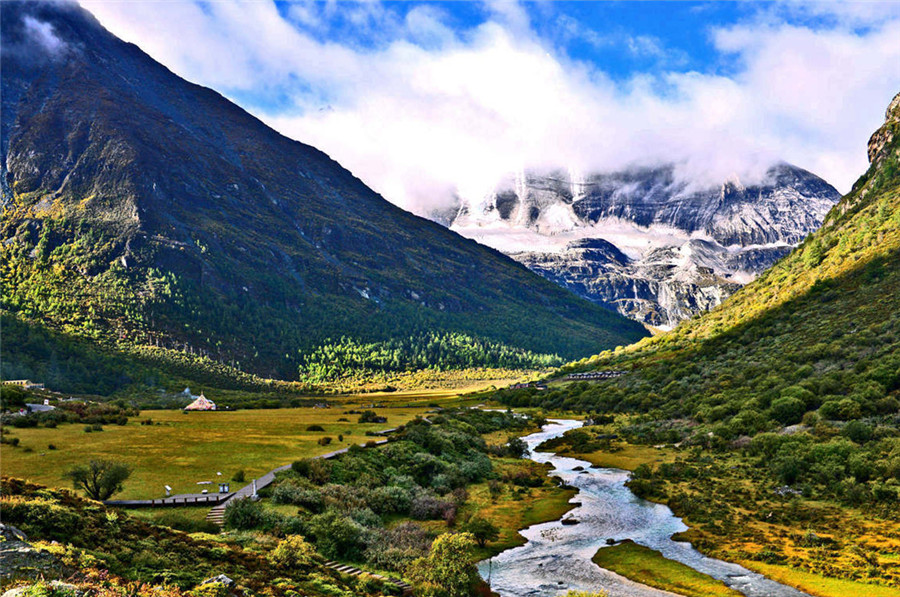
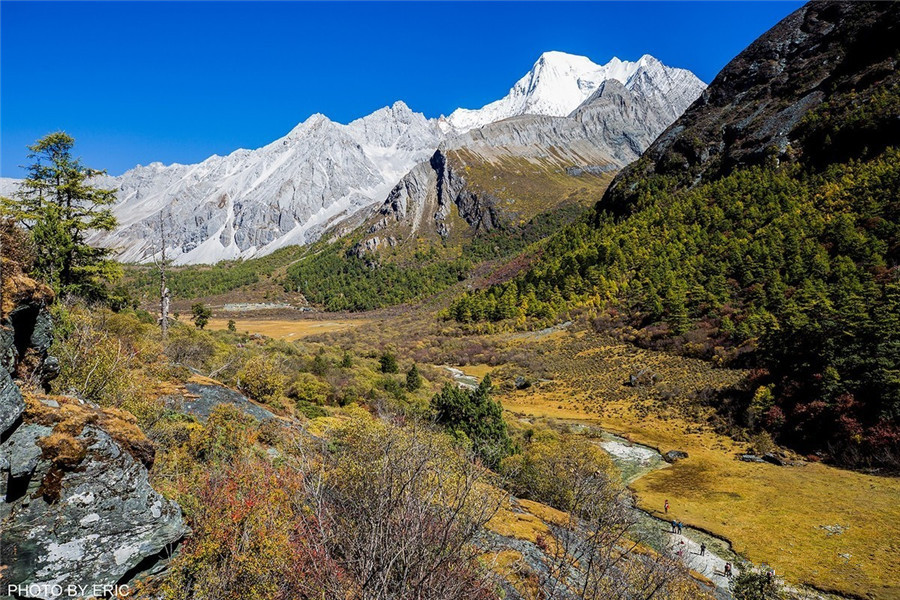
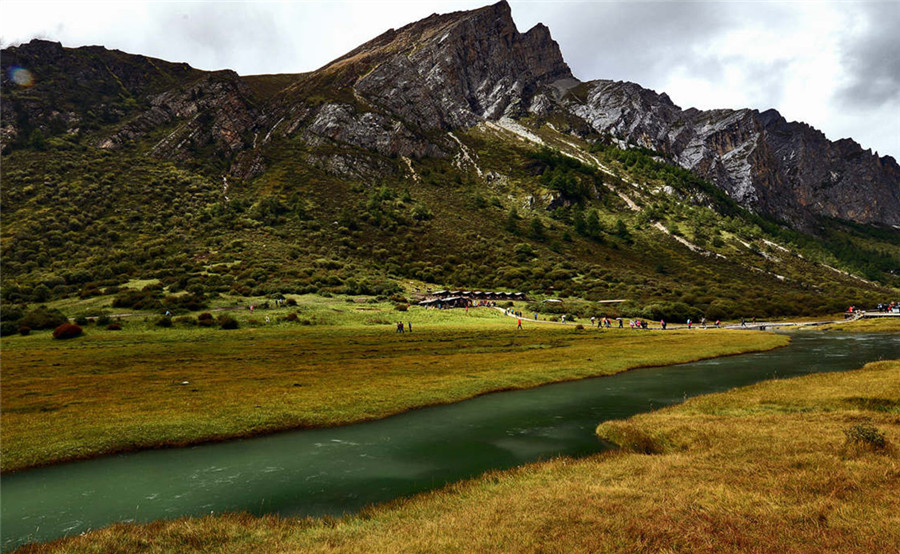
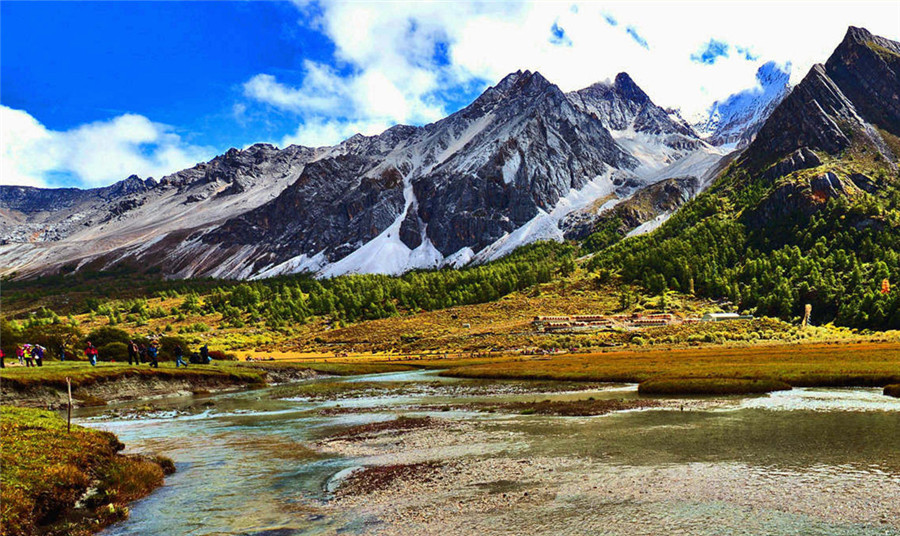
The Three Holy Mountains are surrounded by numerous towering peaks, over thirty in total, creating a breathtaking and spectacular landscape. The peaks are accompanied by pristine lakes, glaciers, and meadows, with deep blue alpine lakes and verdant forests at their base. The snow line reaches down into untouched, green forests, adding to the serenity and grandeur of the scene.
The area’s unique topography, shaped by ancient glacial movements, is a combination of towering cliffs, cascading waterfalls, and meandering streams, creating a tranquil and magical atmosphere. Visitors are often awed by the stark contrast between the harsh yet beautiful snow-capped mountains and the lush, vibrant landscape below.
Historical and Religious Significance
The Three Holy Mountains are central to Tibetan Buddhist practice and are part of the “24 Sacred Buddhist Sites” (世界佛教二十四圣地). According to legend, the famous Buddhist master Padmasambhava (莲花生大师) consecrated these mountains in the 8th century, naming them after the three principal deities: Avalokiteshvara, Manjushri, and Vajrapani. These mountains became a focal point of devotion for Tibetan Buddhists, and the name “Risong Gongbu” (日松贡布) is often used to refer to the sacred space that encompasses these peaks.
The region is believed to be a place of great spiritual power. Pilgrims regularly undertake a circuit around the mountains, which is said to purify the soul and bring merit, akin to reciting millions of mantras.
The Three Peaks
Xian Nai Ri (仙乃日) – Avalokiteshvara
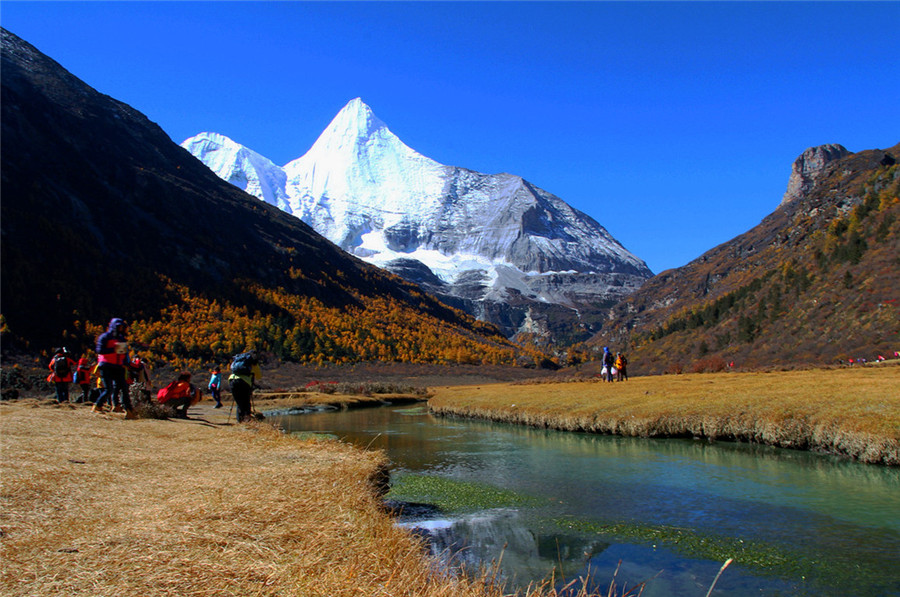
Standing at 6,032 meters, Xian Nai Ri is the highest of the three peaks and is dedicated to Avalokiteshvara, the embodiment of compassion in Tibetan Buddhism. The peak’s shape resembles a towering Buddha seated on a lotus pedestal, exuding a sense of peace and grace. The surrounding glaciers and icy peaks create a serene and awe-inspiring atmosphere.
Yang Mai Yong (央迈勇) – Manjushri
Yang Mai Yong, at 5,958 meters, is the southernmost peak, dedicated to Manjushri, the deity of wisdom. This peak is described as majestic and sharp, resembling the figure of a young woman. Known for its pristine beauty, Yang Mai Yong is said to embody wisdom and clarity, standing tall with a sense of purity and quiet power.
Xia Lang Duo Ji (夏朗多吉) – Vajrapani
The easternmost peak, Xia Lang Duo Ji at 5,958 meters, is dedicated to Vajrapani, the protector and embodiment of strength. The peak is rugged and imposing, much like the deity it represents. It towers above the landscape, symbolizing protection and strength, with a striking, angular appearance.
Spiritual and Cultural Significance
The Three Holy Mountains are considered a sacred site by Tibetan Buddhists, and the surrounding landscape is deeply intertwined with religious practices and beliefs. Pilgrims from across Tibet make pilgrimages to these mountains to gain spiritual merit and to pray for blessings.
The mountains are a critical element of Tibetan religious culture, and it is said that making a pilgrimage around these peaks (known as “Kora”) is equal to reciting millions of mantras. The area is also rich in legends, including the tale of how these mountains were originally part of a different range and moved to their current location at the request of Buddhist deities.
The ritual of walking around the mountains, or performing the “Kora,” is sacred and essential for Tibetans. It is believed that by completing the Kora, pilgrims can purify their karma and achieve spiritual enlightenment.
Hiking and Tourism
Best Time to Visit
The best time to visit the Three Holy Mountains is from May to October when the weather is milder, and the views are clearer. Winters can be extremely cold and challenging, with heavy snowfall making travel difficult.
How to Get There
The Three Holy Mountains are located in Daocheng County, about 83 kilometers from Daocheng Town. Visitors can reach the area by car or tour bus from Daocheng, with journey times of approximately 2 to 3 hours.
-
From Chengdu: Visitors can take a bus from Chengdu to Daocheng, which takes about 2 days with a stopover in Kanding or Ya Jiang.
-
Local Transport: Once in Daocheng, it’s necessary to hire a car to reach the entrance of the Yading Nature Reserve. From there, visitors will need to transfer to a sightseeing bus or use a local guide to explore the area.
Key Attractions
-
Chonggu Temple: A key Tibetan Buddhist temple that is part of the pilgrimage route.
-
Milk Lake (牛奶海): A stunning alpine lake, known for its milky white color and breathtaking scenery.
-
Pearl Lake (珍珠海): A serene lake that reflects the surrounding mountains.
-
Five-Color Lake (五色海): A colorful lake that changes hues depending on the angle of the sunlight.
Hiking Routes
-
Route 1: Daocheng to Yading – A scenic route that offers views of the surrounding valleys, meadows, and forests.
-
Route 2: Chonggu Temple to Milk Lake – This is a moderate hike offering great views of Yang Mai Yong and Xia Lang Duo Ji.
Travel Tips
-
Altitude Considerations: The area is at high altitude, so it’s important to take time to acclimate to avoid altitude sickness.
-
Weather: The weather can change rapidly, so visitors should be prepared for both sunny and cold conditions.
-
Respect Local Customs: As a sacred area, visitors should behave respectfully, particularly when near religious sites.