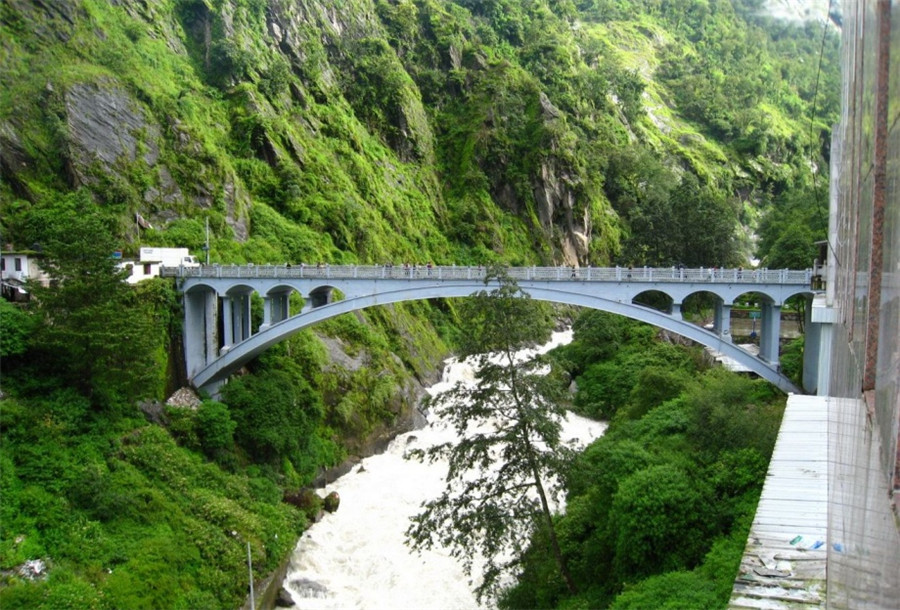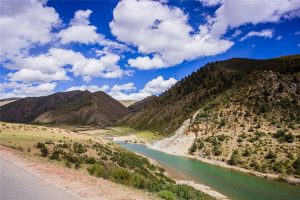

Sino-Nepal Friendship Bridge in Zhangmu Town, Shigatse

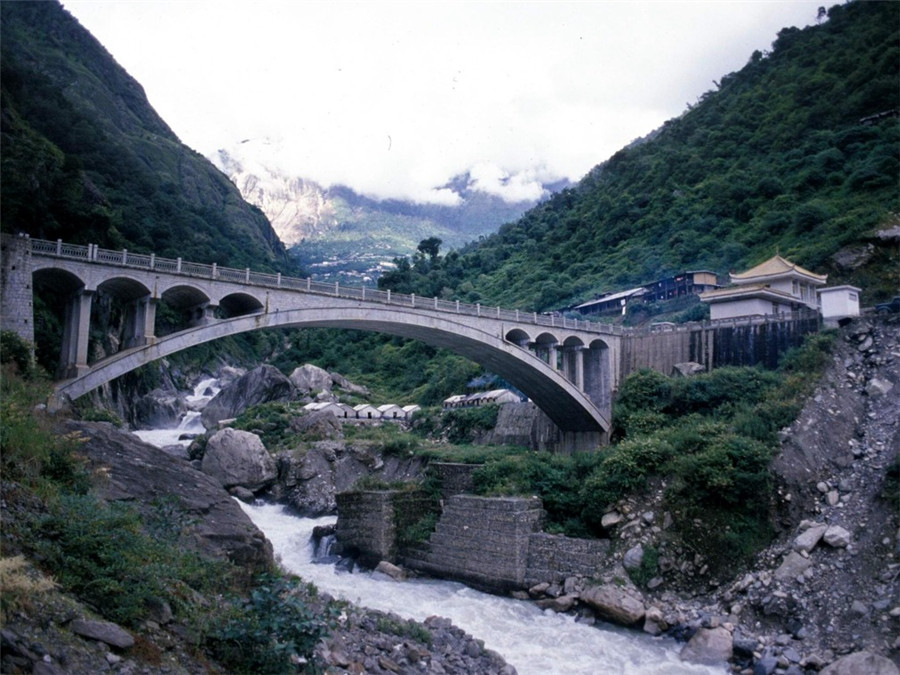
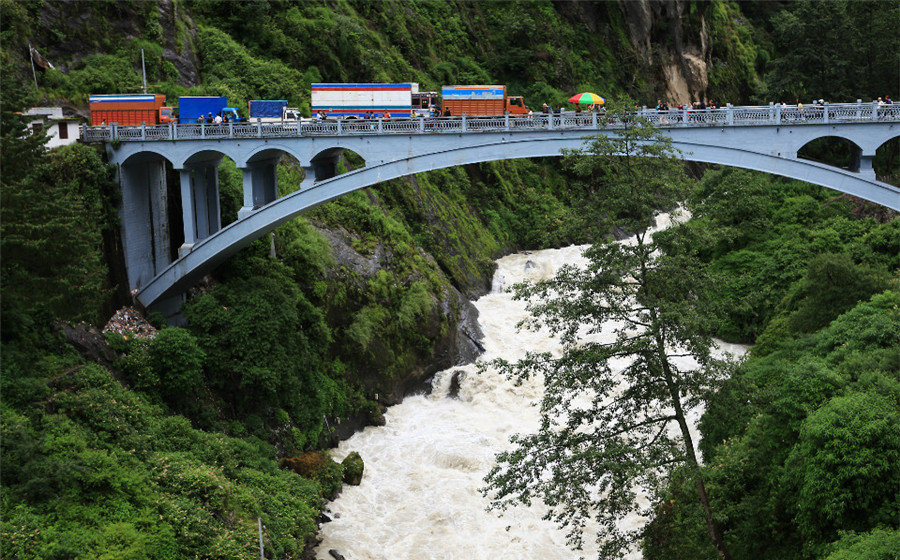
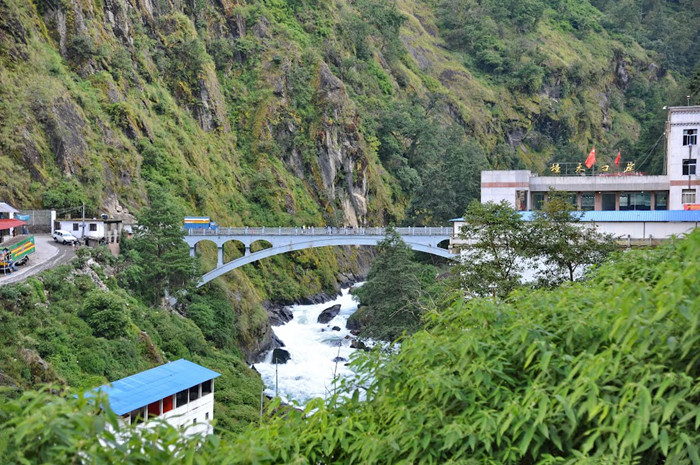
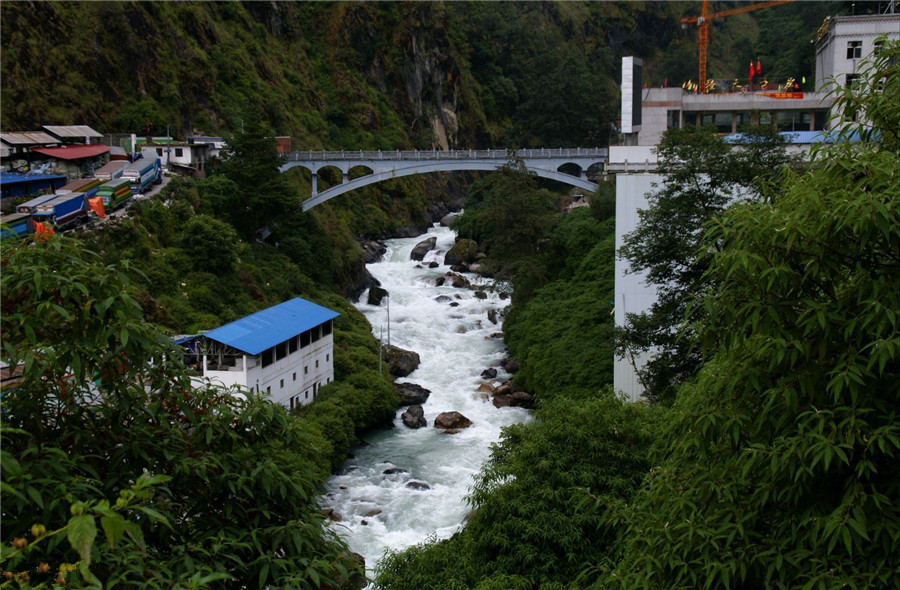
The Sino-Nepal Friendship Bridge (中尼友谊桥; Zhōng-Ní Yǒuyì Qiáo) spans the Sun Kosi River (波曲河), linking Zhangmu (樟木镇) in Shigatse (日喀则市), Tibet Autonomous Region (西藏自治区), China, and Kodari in the Sindhulpalchok District of Nepal. It serves as a critical crossing point between China and Nepal and is an integral part of the China-Nepal Highway, known as National Highway 318 (318国道) in China and Friendship Highway in Tibet.

The bridge is a vital link for trade, transportation, and cultural exchange between the two nations, playing a key role in both regional development and the Belt and Road Initiative (一带一路).


History and Reconstruction

Initial Construction (1964)

The bridge was initially built in 1964 to facilitate trade and transportation between China and Nepal. At that time, it was 45 meters long and 8 meters wide. It served as a significant connection point on National Highway 318, which links China to Nepal.

2015 Earthquake Damage

On April 25, 2015, a devastating 8.1 magnitude earthquake struck Nepal, causing severe damage to the bridge. The quake shattered the structure into four pieces, disrupting trade and transport between the two countries. In response, the Chinese People’s Armed Police Force (武警交通部队) worked to clear debris and temporarily restore access to the bridge.

Reconstruction and Modernization (2019)

The reconstruction of the bridge began in 2018, following an agreement between China and Nepal. By May 2019, a new, enhanced version of the bridge was completed. The new bridge is 82 meters long and 25 meters wide, featuring advanced prestressed concrete T-beam technology to support higher traffic volumes and improve safety. The structure also incorporates earthquake-resistant features and can withstand seismic activity up to a Grade 8 earthquake on the Richter scale.


Design and Engineering Features

Structural Enhancements

The newly reconstructed bridge boasts a 20m + 40m + 16m three-span design, supported by 2-meter-diameter cast-in-place pile foundations. The bridge’s width has been increased to 25 meters, improving its capacity to accommodate four lanes of traffic and non-motorized lanes. The bridge sits in the V-shaped valley of the Sun Kosi River, which posed unique construction challenges due to exposed rock formations and limited space.

Seismic and Structural Upgrades

The new design incorporates seismic bearings and deep foundation piles, ensuring that the bridge can withstand the region’s geological hazards. The earthquake-resistant features meet seismic standards, providing enhanced stability during earthquakes, which are common in this Himalayan region.


Economic and Cultural Significance

Strategic Role in Cross-Border Trade

As the only Class I National Land Port in Tibet, the Sino-Nepal Friendship Bridge plays a critical role in cross-border trade. It facilitates over 90% of the land-based trade between China and Nepal. Before the 2015 earthquake, the bridge accommodated an average of 200 vehicles per day and carried 70% of the goods transported between the two countries. Since its reopening in 2019, the bridge has helped revive trade flows and boosted economic cooperation, making it an important node in the Belt and Road Initiative (一带一路).

Tourism and Cultural Exchange

In addition to its economic importance, the Sino-Nepal Friendship Bridge is also a significant cultural landmark. The bridge symbolizes the friendship between China and Nepal and has become a major point for tourism and cultural exchange. Travelers crossing the bridge can experience the unique blend of Tibetan and Nepali cultures, and the area around the bridge has developed into a hub for cross-border tourism.

Geopolitical Importance

The bridge is strategically located on the Friendship Highway, which connects Zhangmu in China with Kathmandu in Nepal. It forms a critical point in the Sino-Nepal transport network, linking China with Nepal, two countries with deep cultural and historical ties.


Geological Challenges and Natural Disasters

Landslides and Earthquake Vulnerability

The bridge is situated in the Himalayan mountain range, an area known for its vulnerability to landslides and geological hazards. The region is subject to frequent landslide activity, particularly during the rainy season. These geological challenges have historically posed a risk to the bridge’s integrity and the safety of travelers.

2015 Earthquake and Aftermath

Following the 2015 earthquake, extensive landslide activity was triggered, leading to the formation of 300-meter-deep gorges and 70-degree slopes near the bridge. In response, the Chinese Armed Police conducted large-scale explosives clearing operations to remove debris and restore access. This event highlighted the bridge’s vulnerability to natural disasters in this seismically active region.


Symbol of Sino-Nepal Friendship

The Sino-Nepal Friendship Bridge is not only an infrastructure project but also a symbol of the friendship between China and Nepal. In Nepal, the bridge is called “Miteri Pul” (मितेरी पुल), meaning Friendship Bridge. The name reflects the strong ties between the two countries.

A Gesture of Friendship

In 2015, during the earthquake rescue efforts, a retired Nepali road construction worker, Tony Pas, kissed the bridge’s nameplate, calling it “a new friendship witnessed by Mount Everest.” This heartfelt gesture exemplified the deep bonds between the people of China and Nepal.

Collaboration Between China and Nepal

The reconstruction process itself became a model of cross-border collaboration. The Chinese and Nepali engineering teams jointly conducted geological surveys and technical discussions, setting a precedent for future cross-border infrastructure projects and enhancing the cooperation between the two nations.