Wenbunan Village in Nyima County, Nagqu
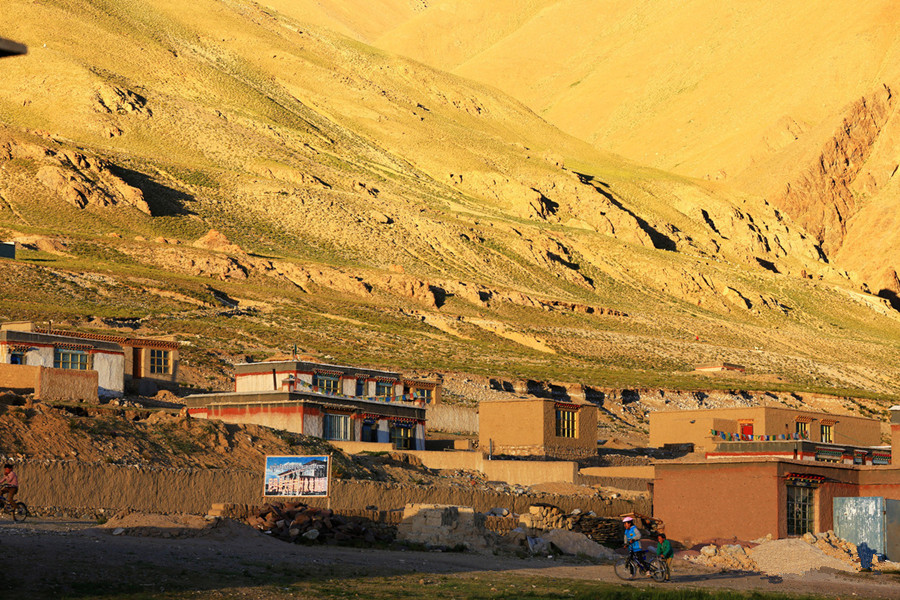
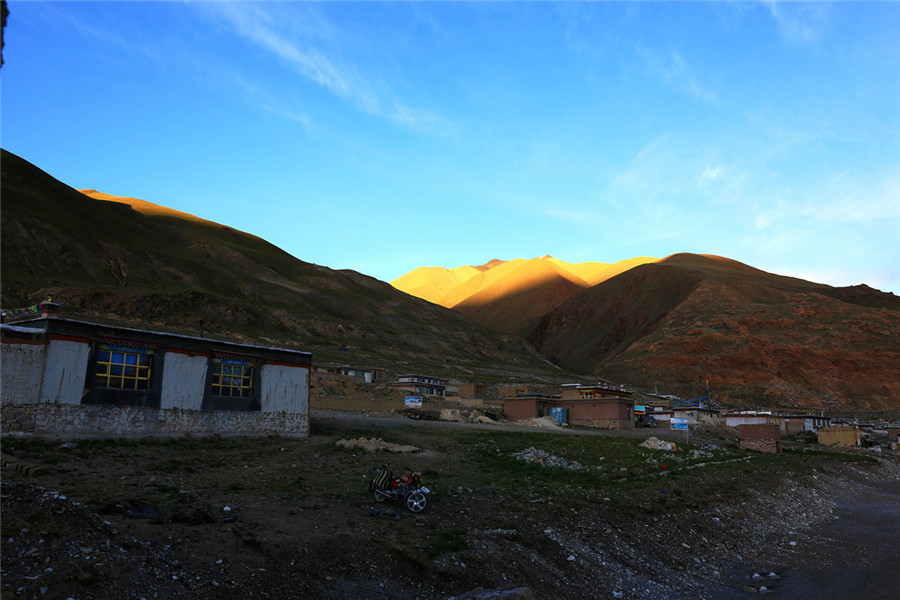
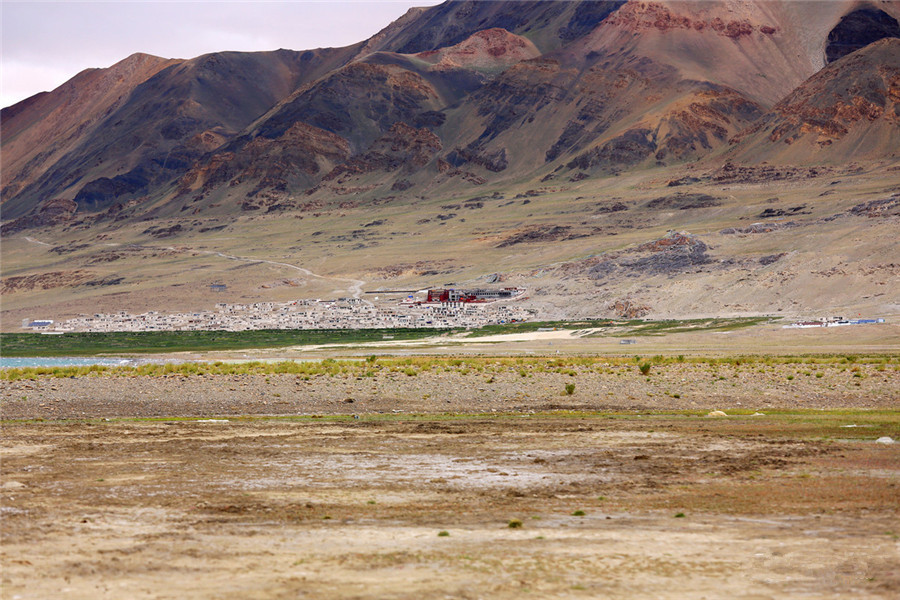
Wenbunan Village (Chinese: 文布南村) is located on the northern shore of Dangre Yongcuo (当惹雍措), a sacred lake in Tibet. It lies within the administrative region of Nyima County (尼玛县) in Nagqu City (那曲市), Tibet. At an elevation of approximately 4,700 meters, the village is nestled in the heart of the Qiangtang Plateau (羌塘高原) and is surrounded by a landscape of glaciers, mountains, and lakes. This village is renowned for its unique combination of natural beauty, cultural heritage, and traditional Tibetan lifestyle.
In 2019, Wenbunan Village was selected as one of the first key rural tourism villages in China. The village is famous for its stunning geographical features, as it is positioned near Dangre Yongcuo, one of Tibet’s three major sacred lakes, and the Daguo Snow Mountain (达果雪山). With its picturesque landscape, the village has become a popular spot for travelers seeking to experience Tibet’s natural wonders and rich cultural traditions.
Location and Geography
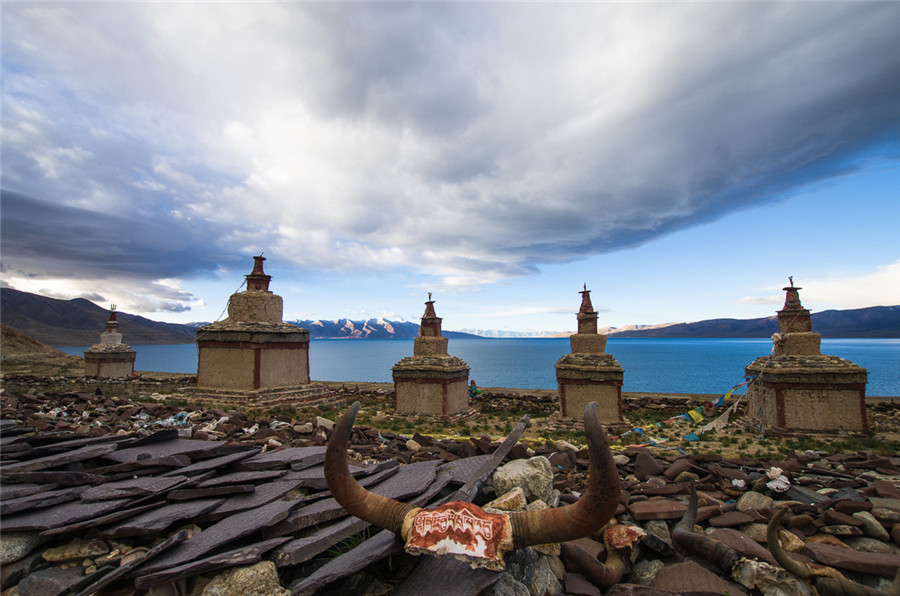
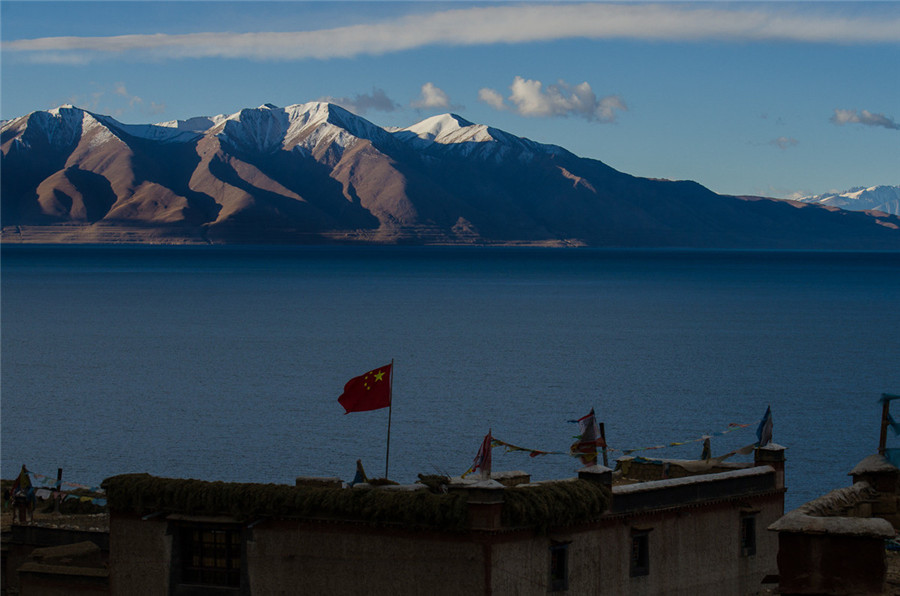
Wenbunan Village is located on the northern shore of Dangre Yongcuo (当惹雍措), facing the main peak of Daguo Snow Mountain (达果雪山), which stands at 6,112 meters above sea level. The village forms a unique “snow mountain – sacred lake – ancient village” natural landscape system. The surrounding area boasts breathtaking scenery, including vast fields of barley and canola flowers during the summer months.
-
Average Elevation: 4,700 meters
-
Region: Nyima County, Nagqu (那曲)
-
Nearby Attraction: Dangre Yongcuo National 4A-level tourist area
Historical and Cultural Significance
Ancient Civilizations and Cultural Heritage
The village retains **remnants of the ancient Zhangzhong Civilization (象雄文明), which was one of Tibet’s earliest cultures. The Qiongzong Ruins (琼宗遗址), believed to be the palace of the last king of the Zhangzhong Kingdom, and 31 interconnected ancient stone houses with underground tunnels are just a few examples of the historical and architectural marvels that can still be found in the area.
In addition, Wenbunan Village is home to numerous intangible cultural heritage traditions, including:
-
Wenbunan Guoxie (文部果谐): A traditional Tibetan song and dance performance rooted in Zhangzhong (象雄) religion.
-
Lu Rituals (鲁供仪式): A female-led folk tradition.
-
Peacock Dance (孔雀舞): A traditional dance inspired by Tibetan culture.
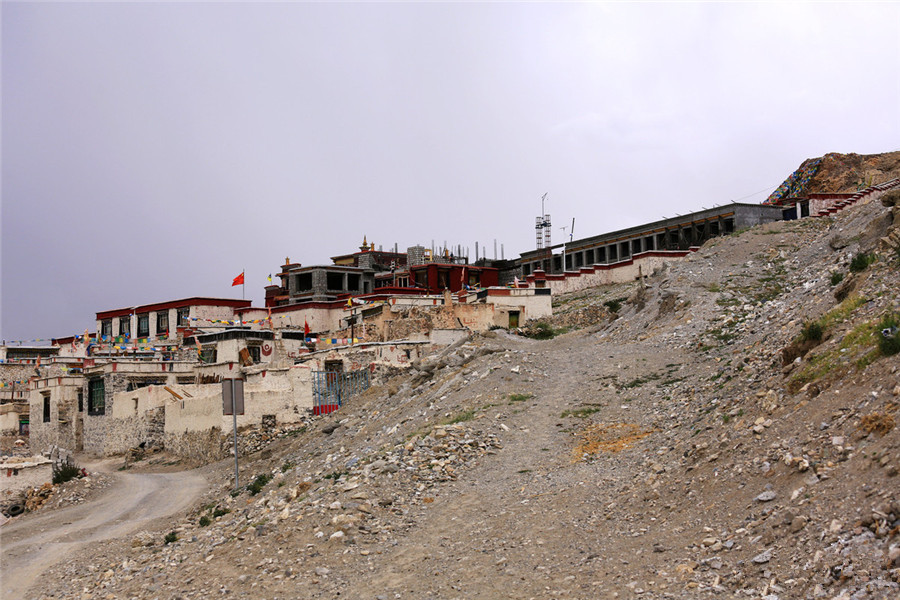
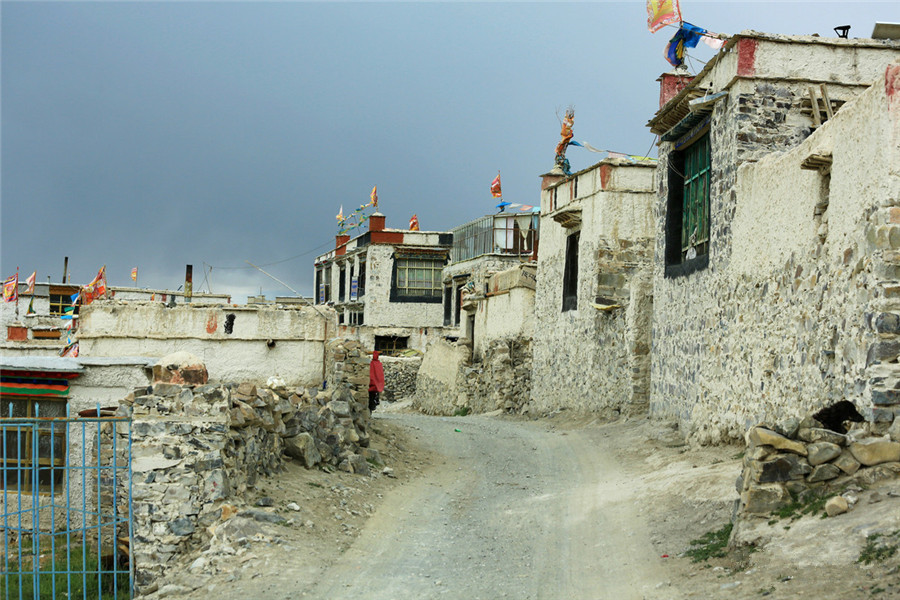
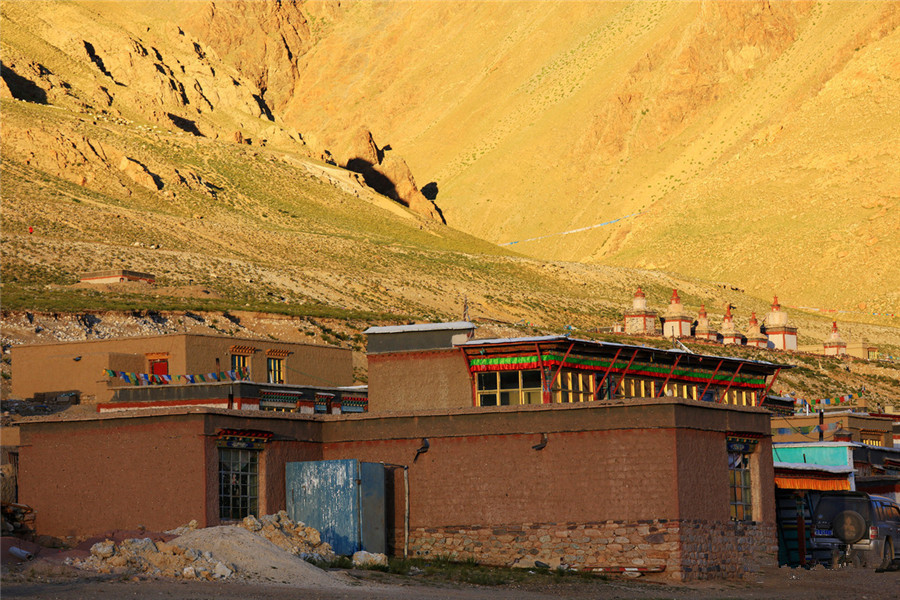
The village is also known for its distinctive architecture. The traditional stone houses feature a unique “connecting roof” construction technique and are made from Tibetan stone slabs and black rocks. The houses are designed to withstand the harsh high-altitude climate, with some featuring underground escape routes for emergencies. Modern homes in the village are equipped with sunrooms made of glass, providing both warmth and natural light.
Cultural Heritage
-
Zhangzhong Civilization Remains: Ancient palace and stone houses
-
Intangible Cultural Heritage: Guoxie song and dance, Lu Rituals, Peacock Dance
-
Traditional Architecture: Stone houses with “connecting roofs” made from Tibetan stone and black rocks
Economy and Tourism Development
Tourism and Rural Revitalization
In recent years, Wenbunan Village has experienced a significant boom in tourism. The village, along with the nearby Dangre Yongcuo (当惹雍措) lake, has become a popular destination for visitors seeking to explore the highland beauty and Tibetan culture.
In 2023, the village welcomed over 12,000 tourists, generating 3.3 million yuan in tourism revenue. The development of the homestay industry has also flourished, with 30 family-run guesthouses providing accommodations for travelers.
The village’s tourism model focuses on the integration of traditional culture with modern tourism. Using the “intangible cultural heritage + tourism” approach, Wenbunan Village has effectively promoted the integration of cultural tourism and has become a typical example of rural revitalization in Tibet.
-
Homestays: 28 family-run guesthouses
-
Tourism Revenue (2023): Over 3.3 million yuan
-
Tourist Visits (2023): Over 12,000 visitors
Unique Experiences and Festivals
Wenbunan Village offers several unique cultural experiences for tourists:
-
Opening the Fields Festival (开耕节): Held in early May, this festival marks the beginning of the farming season.
-
Bonfire Night (篝火晚会): Enjoy a traditional Tibetan bonfire gathering under the stars.
-
Space Capsule Stay: Spend the night in a futuristic space capsule by the shores of Dangre Yongcuo (当惹雍措), offering a truly one-of-a-kind experience.
Travel and Transportation
-
Distance from Nyima County: Approx. 200 kilometers from Nyima County (尼玛县) by road.
-
Public Transportation: There is no public transportation, so visitors must drive their own vehicles to reach the village.
Travel Tips
-
Altitude: Wenbunan Village sits at an elevation of 4,700 meters, so visitors should be prepared for the high-altitude climate. Make sure to bring warm clothing (jackets, down jackets) and sunscreen.
-
Cultural Etiquette: When visiting temples or stone houses, please follow local customs and regulations. Some historical sites may require a local guide for tours.
Natural Landscape
The “Snow Mountain – Sacred Lake – Ancient Village” Harmony
The village is located in one of the most remote and scenic regions of Tibet, where visitors can enjoy:
-
Dangre Yongcuo: Tibet’s third-largest lake, covering 836 square kilometers.
-
The Daguo Snow Mountain: Standing at 6,112 meters, it provides a stunning backdrop to the village and lake.
-
Rare barley cultivation: One of the few places in Tibet where agriculture thrives, with barley fields and canola flower fields blooming in the summer months.
Wenbunan Village has successfully merged its natural and cultural resources, offering a remarkable opportunity to explore the Tibetan Plateau through a lens of history, spirituality, and tradition.
Key Facts:
-
Location: Wenbunan Village, Nyima County, Nagqu, Tibet (那曲市尼玛县文布乡)
-
Average Elevation: 4,700 meters
-
Attractions: Dangre Yongcuo (当惹雍措), Daguo Snow Mountain (达果雪山)
-
Cultural Heritage: Zhangzhong Civilization (象雄文明), Intangible Cultural Heritage (非物质文化遗产)
-
Economy: Focus on homestays, cultural tourism, and traditional festivals