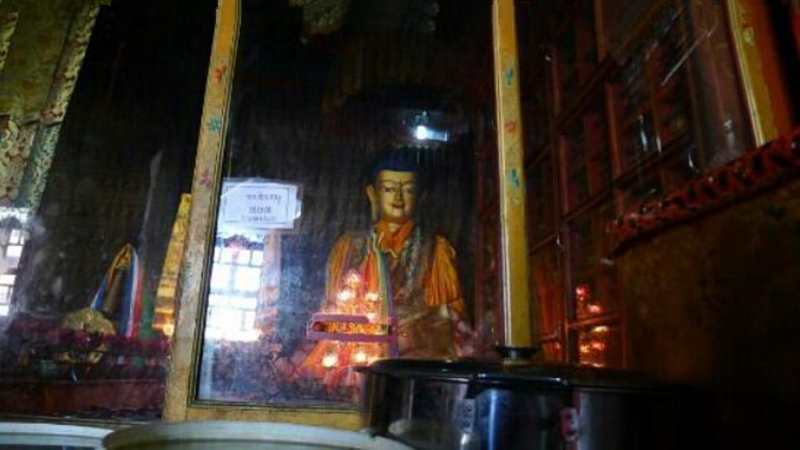
Jisi Monastery in Markam County, Chamdo

Jisi Monastery (吉斯寺), located in Zongxi Township (宗西乡) of Markam County (芒康县), Chamdo (昌都), is one of the largest and best-preserved Nyingma (宁玛派) monasteries in Tibet. It is considered a significant religious site from the early spread of Tibetan Buddhism. The monastery’s historical and cultural heritage is notable, with structures that blend Han and Tibetan architectural styles, evident in the intricate artwork and Buddhist motifs that reflect both traditions.

Historical and Cultural Significance

Jisi Monastery dates back to the Tibetan Empire period (7th-9th century) and holds an important place in Tibetan religious history. It is renowned for preserving various ancient relics, including a Shakyamuni Buddha statue from the Tang Dynasty (唐朝), believed to be the predecessor of the statue found in Jokhang Temple (大昭寺) in Lhasa. The monastery also houses a Tibetan pagoda known as Gadong Qu Deng (嘎东曲登) and a collection of relics spanning the Tang, Song, Yuan, Ming, and Qing dynasties.

Architectural Features

The monastery’s layout follows a symmetrical central axis, reflecting a harmonious fusion of Han and Tibetan cultures. One of the most distinctive features is the incorporation of Han Buddhist artistic elements, such as bamboo motifs and other traditional designs. These features illustrate the cultural exchange between Tibet and China during the Tang Dynasty.

Religious Uniqueness

A unique aspect of Jisi Monastery is the prevalence of the “Uncle Monks” (叔父僧), a phenomenon in which male members of a family collectively enter the monastic life. This practice is relatively rare in Tibetan Buddhism, where monasticism typically involves individuals who have made personal vows.

The monastery is part of the Nyingma sect (红教派) of Tibetan Buddhism, which differs from other nearby monasteries such as Guonang Monastery (果南寺), Sedui Monastery (色堆寺), and Paran Monastery (帕然寺), creating a diverse religious landscape in the region.

Natural and Cultural Surroundings

The monastery is situated in Zongxi Township, an area that blends agriculture and pastoralism. The surrounding region is rich in natural beauty, with wildlife habitats and the abundance of unique local products like matsutake mushrooms and cordyceps.

Nearby Attractions

In addition to Jisi Monastery, visitors can explore several other temples in the area, such as Guonang Monastery, Sedui Monastery, and Paran Monastery. These temples represent different Buddhist sects, contributing to a rich spiritual ecosystem.

Practical Information

  • Opening Hours: The monastery is open throughout the day, with no specified closing time.

  • Entrance Fee: Free.

  • Transportation: It is recommended to self-drive or hire a car to reach Zongxi Township in Markam County. The monastery is approximately 5 kilometers from the town government office.

  • Altitude: The monastery is located at an altitude of approximately 3,800 meters. Visitors should allow time to acclimatize to the high-altitude environment before visiting.

Additional Information

  • Monastery Size: Jisi Monastery is the largest of the 52 monasteries in Markam County, and it is the best preserved in terms of historical artifacts.

  • Current Monastic Population: The monastery currently houses over 80 monks, who continue the religious practices and traditions passed down through the centuries.

Jisi Monastery is not only a religious center but also an important cultural landmark in Chamdo, where visitors can explore Tibetan Buddhism’s deep roots while enjoying the scenic beauty and historical richness of the region.