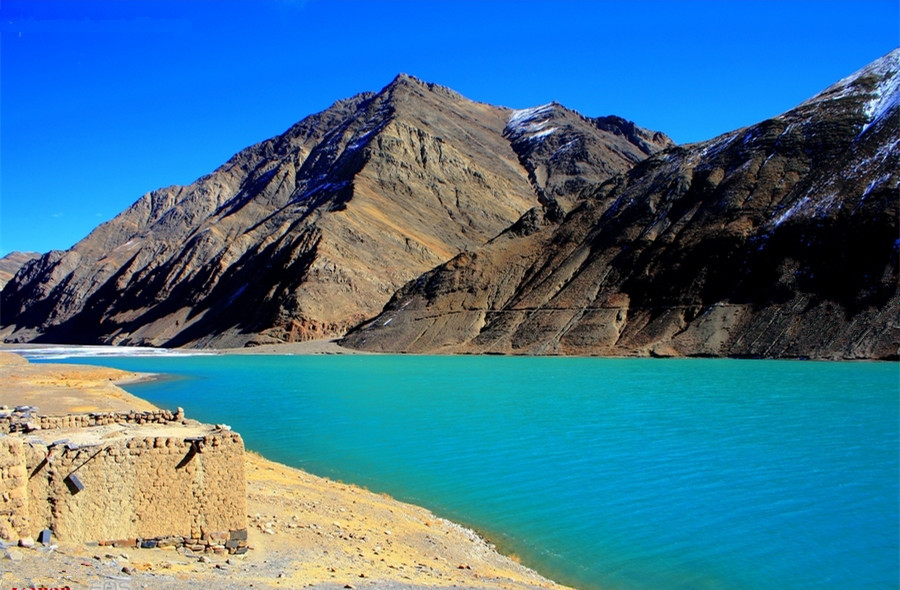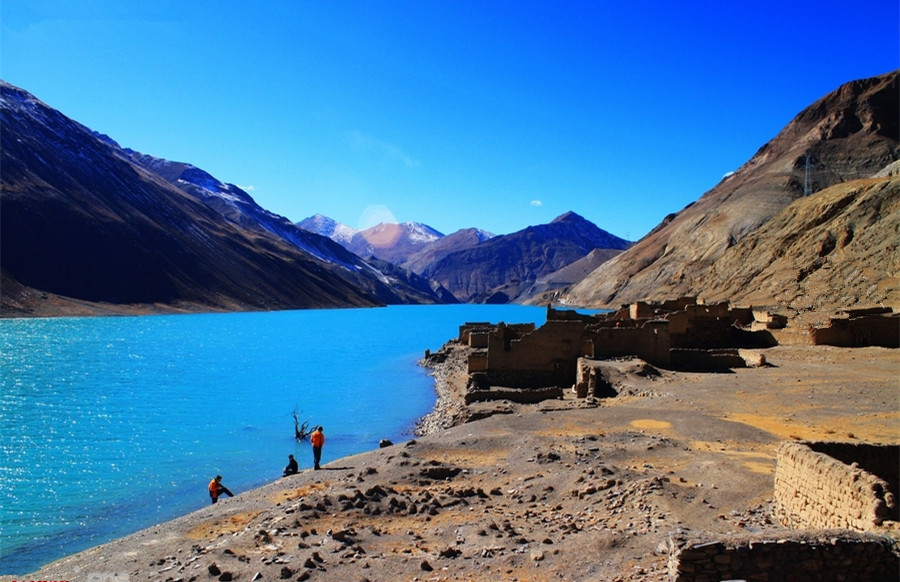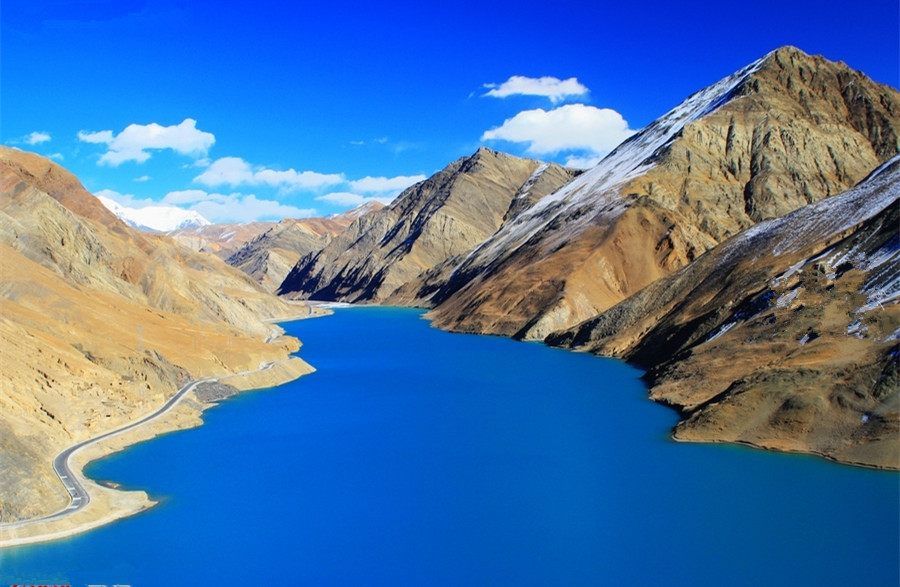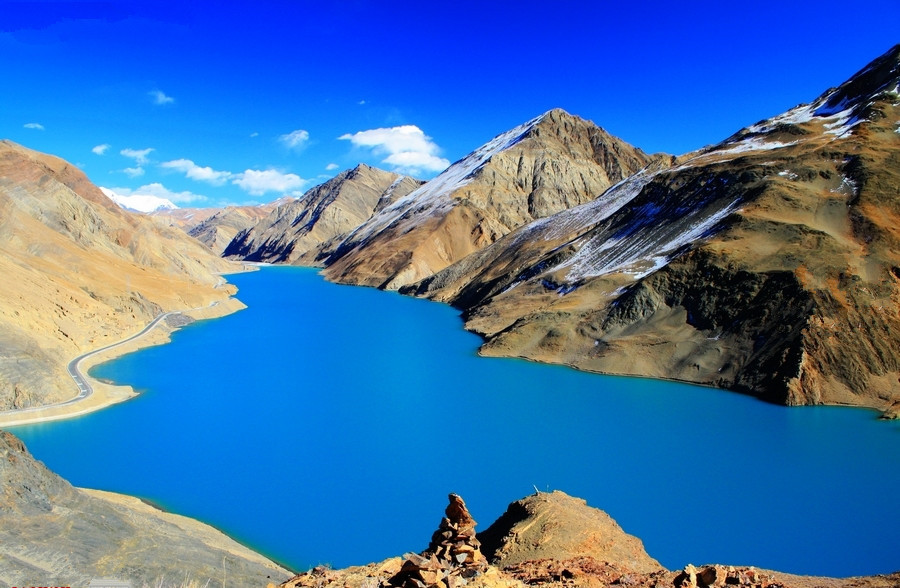
Manla Lake in Gyangzê County, Shigatse
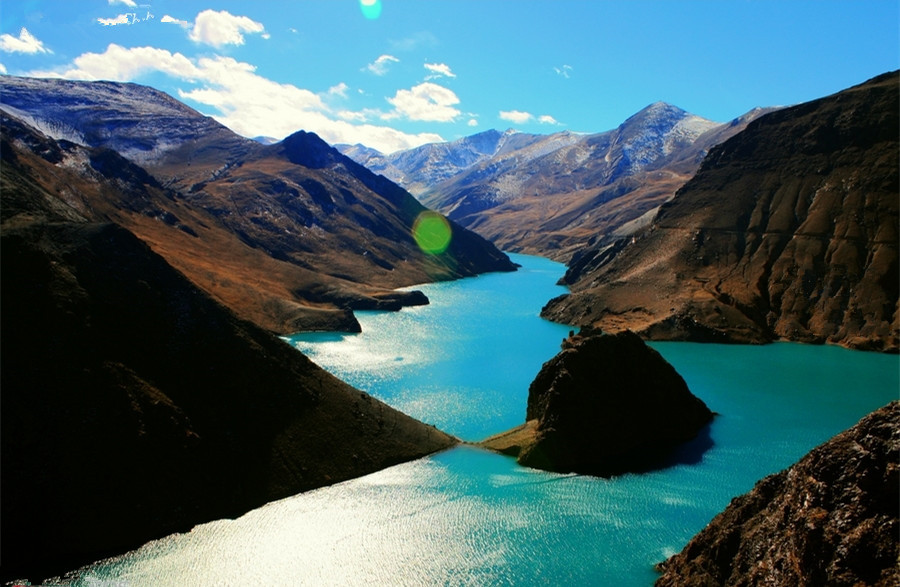
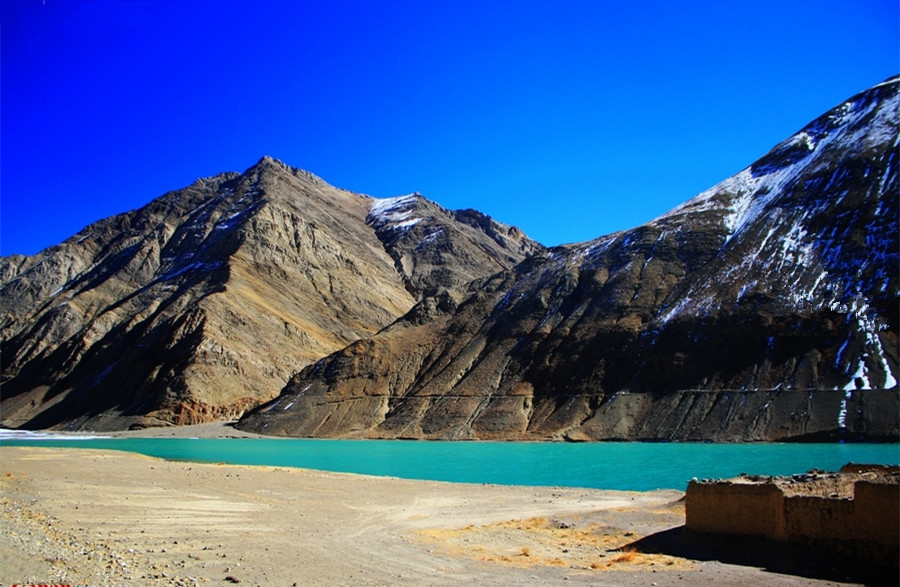
Manla Lake (满拉湖), located in Gyangzê County (江孜县), Shigatse (日喀则), Tibet, is a striking natural and artificial reservoir situated at an altitude of approximately 4,330 meters. It is part of the Yearchu River (年楚河) system, located in the upper reaches of the river. The lake’s serene green-blue waters and picturesque surroundings make it a unique attraction in Tibet.
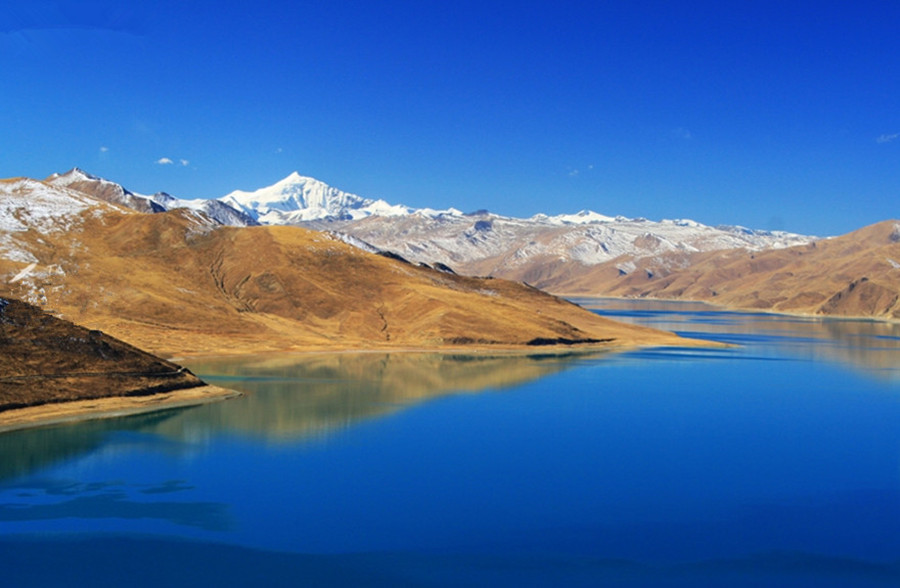
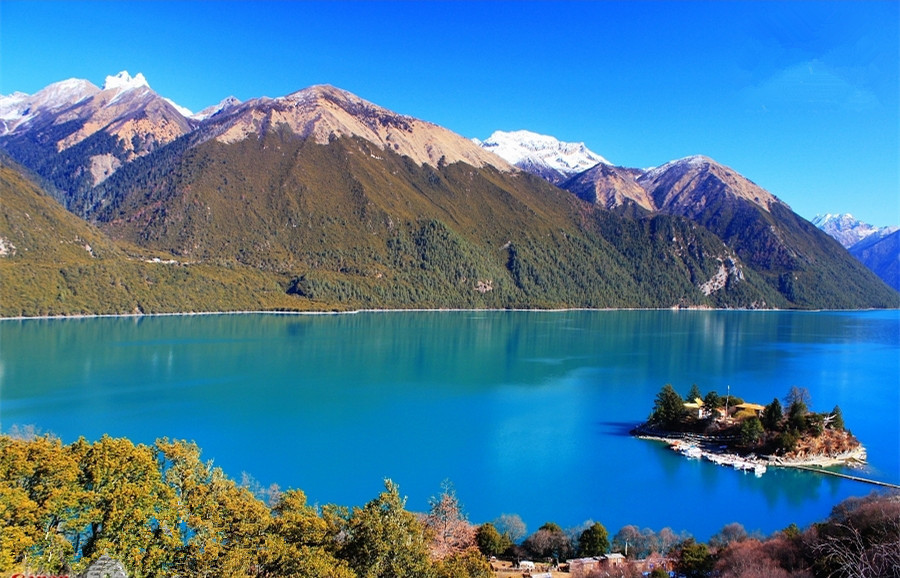
Manla Lake is famous for its large-scale hydroelectric power station, irrigation systems, and its scenic beauty, making it a perfect destination for nature lovers and those interested in Tibetan culture. The lake’s waters reflect the stunning surroundings, and it is often referred to as the “Highland Emerald” due to its vivid color variations depending on the weather—green on clear days and sapphire-blue on overcast days. The lake is also home to a small island, and its surrounding snow-capped mountains, such as Karo La Glacier (卡若拉冰川), offer fantastic views and excellent photography opportunities.
🌊 Core Features
“Tibet’s First Dam”
-
The Manla Reservoir (满拉水库) features the largest dam in Tibet, measuring 287 meters in length and 76.3 meters in height. This is one of the most significant hydroelectric projects in Tibet, with a focus on irrigation, flood control, and power generation.
-
The water’s color changes based on the weather. On sunny days, it appears in vibrant green, while cloudy days give it a deep blue hue. This color variation has earned the lake its title of “The Highland Emerald.”
Natural and Cultural Integration
-
Manla Lake’s small island is said to represent the original appearance of Jangza Fort (江孜古堡), an ancient fort and an important historical site. The island is considered sacred by local Tibetans.
-
The lake is surrounded by stunning snow-capped mountains, including Karo La Glacier (卡若拉冰川), and prayer flags flutter in the wind, offering a spiritual and peaceful atmosphere. The area is also ideal for capturing breathtaking landscape photographs.
🚗 Transportation and Route
-
By Car: You can drive from Lhasa (拉萨) to Manla Lake in about 4 hours via National Highway G318 (G318国道), passing Yamdrok Lake (羊卓雍措) and Karo La Glacier (卡若拉冰川).
-
By Bus or Tour: From Shigatse (日喀则) to Jangza County (江孜县), it’s about 90 kilometers, and you can also visit Bai Ju Monastery (白居寺) and Zongshan Fort (宗山古堡) on the way.
📸 Best Experiences
-
Viewing Pavilion: A viewing pavilion is located along the highway, offering a panoramic view of the lake. It is recommended to use a wide-angle lens for the best shots.
-
Lake Hike: Walk along the lake’s path to get up close to the water. During autumn (September to October), the meadows around the lake turn golden, offering stunning views.
-
Prayer Flags: Local Tibetans sell prayer flags near the lake, allowing visitors to participate in a spiritual tradition by hanging the flags for blessings.
⚠️ Important Notes
-
Altitude: Manla Lake is located at an altitude of approximately 4,330 meters. It is important to be aware of altitude sickness and take precautions such as carrying oxygen tanks.
-
Weather: The temperature can vary greatly between day and night, with large temperature fluctuations. Be sure to bring a windproof jacket and sunscreen.
-
Environmental Awareness: Please respect the local customs and refrain from throwing garbage into the lake. Make sure to follow eco-friendly travel practices.
📌 Nearby Attractions
-
Karo La Glacier (卡若拉冰川) (20 minutes from the lake by car): This glacier is a key filming location for the movie “Red River Valley” (红河谷) and offers opportunities for close encounters with glaciers.
-
Bai Ju Monastery (白居寺) (in Jangza County): A Tibetan Buddhist monastery that combines Han and Tibetan architectural styles. It is located about 2 kilometers from the lake and is famous for its beautiful Thangka murals and hundred thousand Buddha statues.
📌 Suggested Time for Visit
-
Recommended Visit Time: 2-3 hours. This is perfect for a day trip, and you can combine the visit with a trip to Yamdroktso (羊卓雍措) or Shigatse (日喀则).
Manla Lake offers a unique opportunity to explore the fascinating combination of natural beauty and Tibetan culture. The serenity of the lake, combined with its spiritual and cultural significance, makes it a must-visit destination in Tibet (西藏).