
Lhasa Carpet Factory
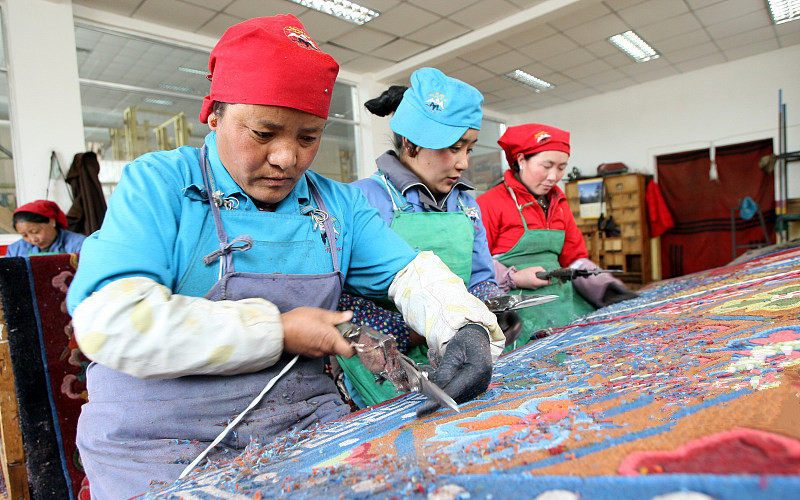
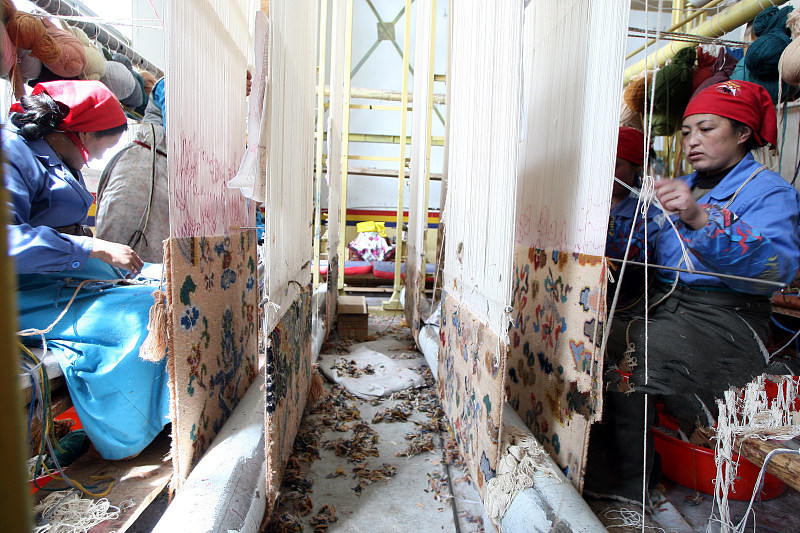
The Lhasa Carpet Factory (拉萨地毯厂) is located south of Yanhe Dong Lu, near Tibet University (西藏大学) in Lhasa (拉萨), the capital city of the Tibet Autonomous Region (西藏自治区) of China. Renowned for producing traditional Tibetan rugs, the factory exports its products worldwide, with a focus on the global market via Canton (广州). While the actual weaving and finishing of the carpets is still done by hand using traditional vertical looms, many stages of the manufacturing process have been mechanized, and dyeing is carried out externally.
The Lhasa Carpet Factory is the largest manufacturer of rugs in the region, employing around 300 workers. Historically, Tibetan women were responsible for weaving the carpets, while men spun the yarn, but today both genders are involved in every step of the production process.
Factory Details
-
Establishment Date: September 22, 1997
-
Address: No. 7, Sera Road, Chengguan District, Lhasa
-
Ownership: Collective ownership
-
Registered Capital: ¥6.28 million RMB
-
Business Scope: Production and trade of carpets, mats, cushion covers, tapestries, daily goods, food, clothing, and imports/exports.
-
Employee Scale: 1-49 employees
-
Trademark: The factory holds the registered trademark “雪毯花 SLOWHAND RUG FLOWER” and has four patents, including innovations related to solar drying systems and plant-based dye preparations.
Product Features and Production Process
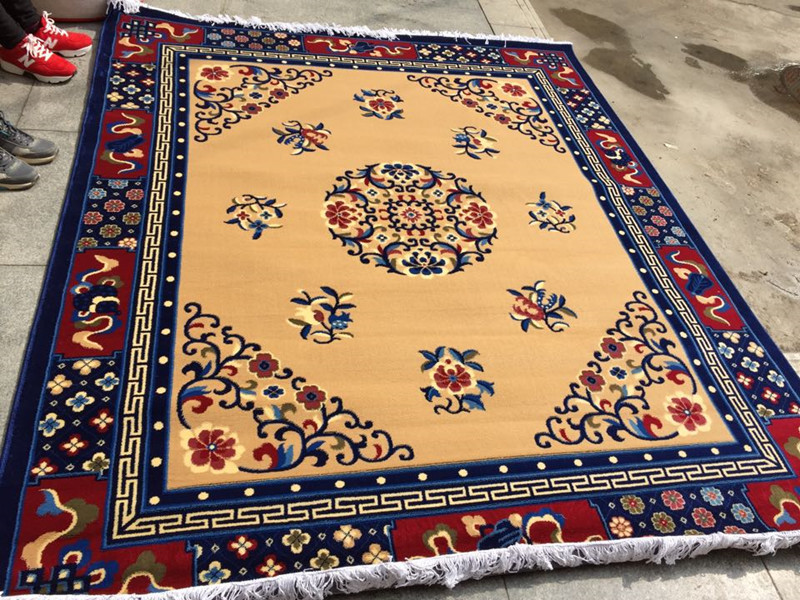
The Lhasa Carpet Factory is renowned for producing small, bold, and vibrant Tibetan rugs with a deep, even pile—around 60 knots per square inch. The carpets are traditionally made with high-quality, durable materials, including cotton warps and wefts, a practice introduced in the early 20th century. Although weaving rugs is an ancient craft in Tibet, it was not associated with sacred rituals and is therefore not considered an art form in the traditional sense.
Rug Characteristics:
-
Size: Smaller rugs are typical.
-
Designs: Bold patterns and bright colors are characteristic of Lhasa rugs.
-
Knot Density: Approximately 60 knots per square inch.
Historical Context
Rug weaving in Tibet has a long history, but the earliest verified Tibetan rugs date back only to around the year 1800. Synthetic dyes began to be used in the region around 1870, with their introduction leading to more vibrant colors in rugs. The use of durable cotton for warps and wefts further improved the quality and longevity of Tibetan carpets, ensuring their continued popularity both within Tibet and abroad.
While the Lhasa Carpet Factory has adopted modern technology for certain stages of production, such as mechanized processes, the traditional hand-weaving of carpets remains a cornerstone of Tibetan culture and craftsmanship.
Industry Standing
Lhasa Carpet Factory holds a leading position within the Tibet Autonomous Region’s carpet manufacturing industry. With an annual production output of 30,000 miles of carpet, it stands as the most productive carpet factory in the region. Despite its large-scale operations, the factory still preserves the traditional handcrafting methods that make Tibetan carpets famous worldwide.
Comparison with Other Carpet Manufacturers in Lhasa
Kawajian Tibetan Carpet Factory (喀瓦坚藏毯厂)
-
Established: 1994
-
Location: 102 Jinzhu West Road
-
Famous For: Handwoven Tibetan carpets
-
Special Features: Visitors can schedule tours to witness the entire carpet-making process, and the factory also features a carpet-themed café.
-
Craft: Uses Swiss-imported eco-friendly dyes, with weaving cycles lasting up to a month.
Tibet Dream of Carpet Co., Ltd. (西藏藏之梦地毯有限公司)
-
Established: 2005
-
Focus: Machine-woven and hand-woven Tibetan carpets
-
Patents: Holds 44 registered trademarks and 10 patents.
Notes and Recommendations
Information regarding the Lhasa Carpet Factory is relatively limited, and it is recommended to verify the operational status through the official business registry system. The factory’s current business registration code is 91540100710910762F.
For those interested in experiencing Tibetan carpet culture in a more interactive setting, the Kawajian Tibetan Carpet Factory offers a more hands-on experience with tours and interactive exhibits.