Karuo Cultural Relics in Chamdo
Chinese Name: 昌都卡若区卡若遗址
English Name: Karuo Cultural Relics in Chamdo
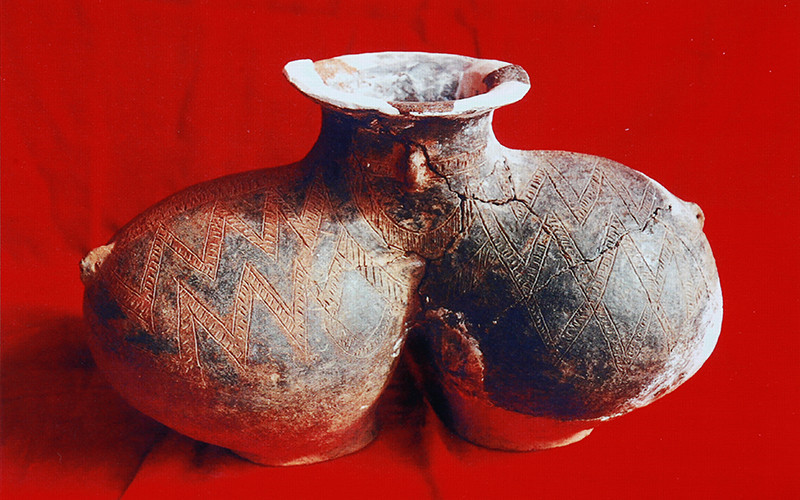
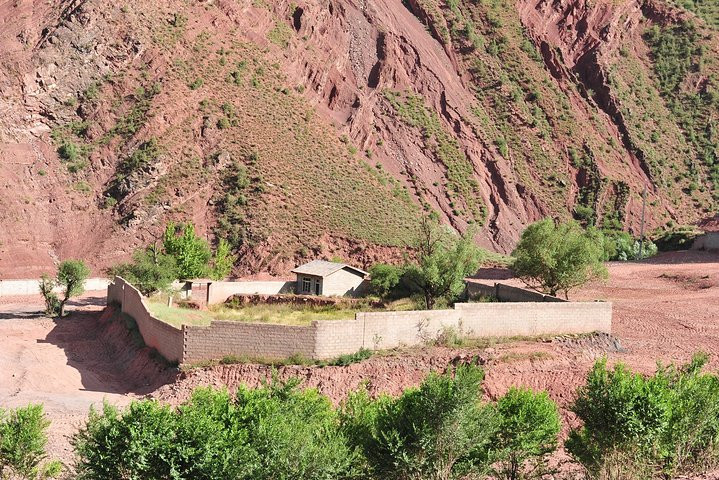
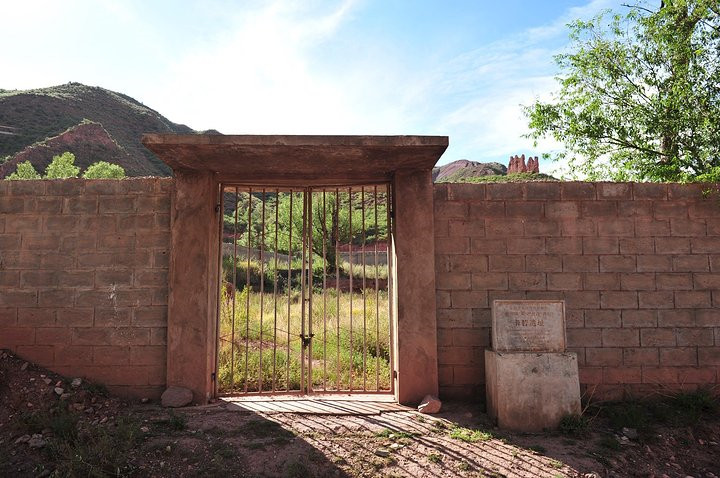
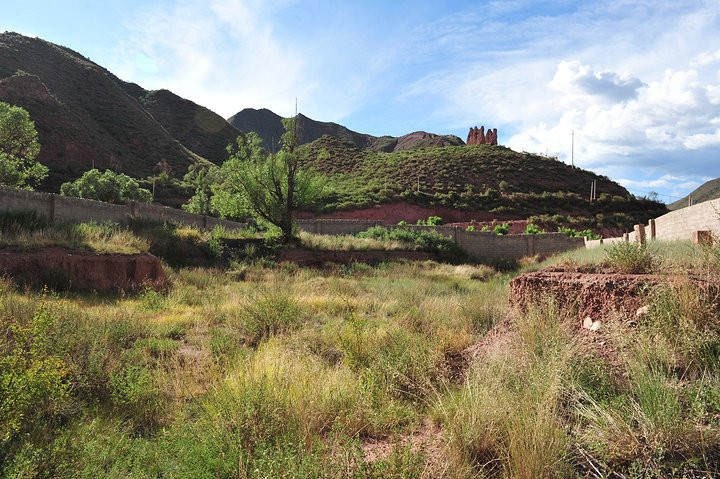
The Karuo Cultural Relics (卡若遗址) is located approximately 12 kilometers south of Karuo Township (卡若镇), in Chamdo (昌都市), Tibet. The site covers an area of approximately 38,000 square meters and is an important archaeological site dating back to the Neolithic period (新石器时代). The Karuo Relics have yielded a wealth of valuable artifacts, including tools, pottery, and bones, and are crucial for studying the ancient history, culture, and human evolution of the Tibetan Plateau.
Historical Overview
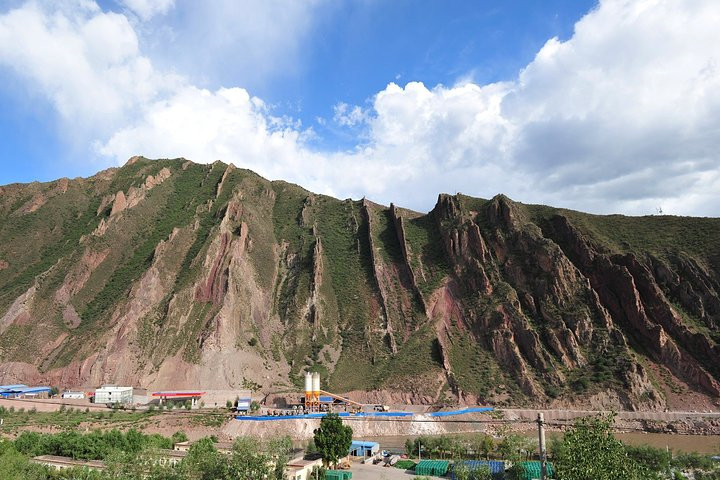
The Karuo Cultural Relics were first discovered in 1977 during construction work at a former cement factory in Karuo Village.
Key Dates:
-
1977: Discovery of the site by workers during construction.
-
1978: Excavation officially began under the direction of the Tibet Autonomous Region Cultural Heritage Administration.
-
1979: The second round of excavation took place, involving scholars and archaeologists from the Chinese Academy of Social Sciences, Yunnan Provincial Museum, and Sichuan University.
-
2007: A comprehensive planning project was initiated to transform the site into an archaeological park, with an investment of 120 million RMB.
Key Features of the Site
The Karuo Relics feature various types of residential structures and artifacts that highlight the lifestyle and culture of ancient Tibetans.
Architectural Features:
-
Housing Types: Two primary types of houses have been discovered:
-
Semi-subterranean houses (半地穴房屋), which are further divided into:
-
Round-bottomed and flat-bottomed houses.
-
Stone-walled houses.
-
-
Above-ground houses (地上房屋), which include square and rectangular structures, with sizes ranging from 20–70 square meters.
-
-
Construction Materials: These houses were primarily made using mud mixed with grass or stone walls, demonstrating early techniques for building in the high-altitude environment.
Artifacts Discovered:
-
Stone Tools: A variety of tools including shovels, axes, plows, drills, adzes, and cutting tools. The raw materials used for these tools include agate, flint, volcanic rock, and hard jade.
-
Bone Tools: Primarily production tools such as needles, axes, bracelets, knives, and ornaments.
-
Pottery: Sand-tempered pottery with red, yellow, gray, and black colors, decorated with patterns such as grids, diamonds, circles, and waves. Special finds include double-bodied pots (双体陶罐), which are unique to the region.
-
Jewelry and Ornaments: Items such as beads, necklaces, and pendants made from shells and jade.
Cultural Significance
The Karuo Cultural Relics provide valuable insights into the early human settlement and cultural exchange on the Tibetan Plateau.
Insights into Ancient Tibetan Culture:
-
Early Civilization in Tibet: The excavation of this site pushes back the history of human habitation in the Tibetan Plateau by 3,000 years, demonstrating that the region was not an isolated area but had cultural exchanges with other parts of ancient China.
-
Cultural Connections: Artifacts such as jade and seashells found at the site suggest that the Karuo people were in contact with other ethnic groups and regions, including the Yellow River Valley (黄河流域) and Yangtze River Basin (长江流域).
-
Multiple Cultural Influences: The site is a prime example of how the Kamba region (康巴地区) of Tibet became a melting pot for multiple ethnicities and cultures, including the Qiangic, Tibetan, and Yangtze River cultures.
Archaeological Value
The Karuo Cultural Relics are of immense historical and academic value for understanding the early development of Tibetan civilization.
-
Significance for Tibetan History: The discovery of Karuo Relics challenges the previous notion that Tibet was an isolated “life-free zone” and proves that humans have lived on the Tibetan Plateau for over 4,000 years.
-
Research on Early Tibetan Cultures: The site provides invaluable physical evidence for the study of Tibetan prehistoric culture, especially its Neolithic period. It has become an essential resource for understanding the origins of the Tibetan people and their cultural development.
Protection and Preservation
-
In 1996, the State Council of the People’s Republic of China designated the Karuo Relics as one of the fourth batch of key national cultural heritage sites (第四批全国重点文物保护单位).
-
The site has been continuously protected and studied, with scientific excavations ensuring the preservation of the relics.
Tourism Information
The Karuo Relics are a significant tourist attraction for those interested in archaeology and Tibetan culture. The site is open to visitors, offering an educational experience into Tibet’s prehistoric history.
Getting There:
-
Location: The Karuo Cultural Relics are located about 12 kilometers south of Karuo Township (卡若镇) in Chamdo, Tibet.
-
Transportation: Take Route 8 from Chamdo and get off at the Karuo Relics stop, from where you can walk to the site.
Best Time to Visit:
-
The best time to visit is during the spring and autumn months, when the weather is most conducive to outdoor exploration.