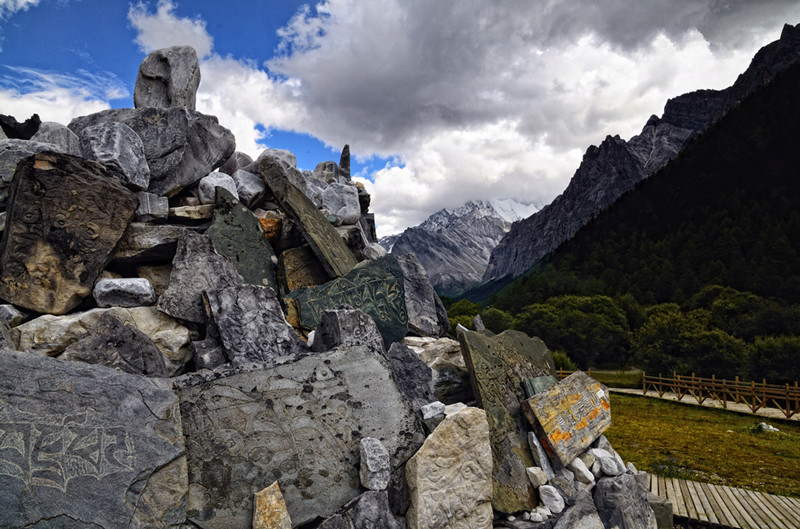
Chonggu Monastery in Daocheng County, Garze

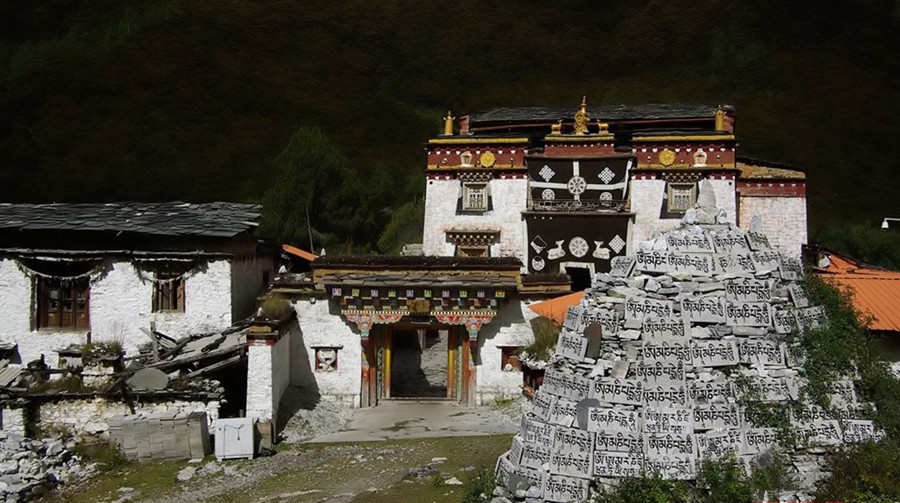
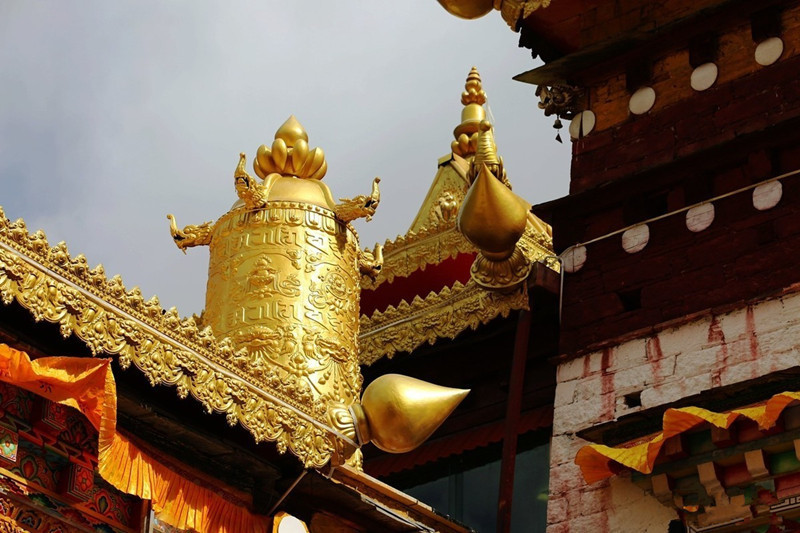
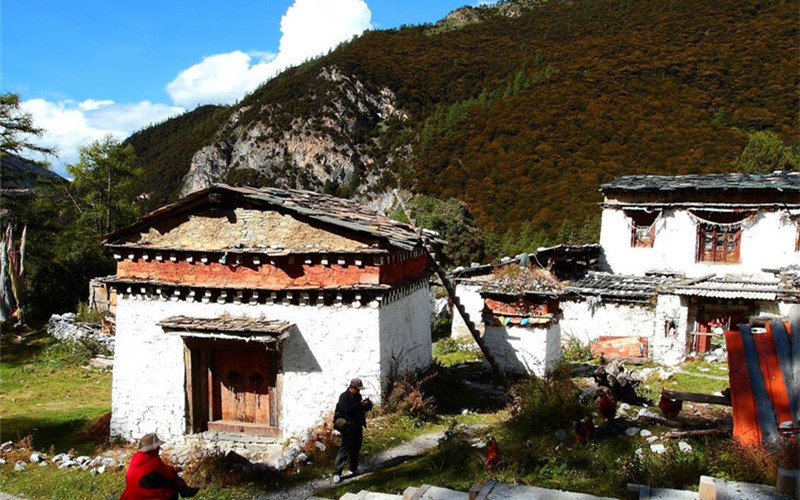
Chonggu Monastery, perched at 3,880 meters above sea level, lies at the base of the majestic Xian’nai Ri Snow Mountain (仙乃日雪峰) in Daocheng County, Garze Tibetan Autonomous Prefecture. Though severely damaged, the monastery remains a spiritual beacon and is an essential site for Tibetan Buddhist practices in the region. Part of the Gongga Langji Ling Temple (贡嘎郎吉岭寺), the monastery hosts Zhaba (扎巴) monks of the Rootge Lama (根戈活佛) school, who chant prayers and teachings.

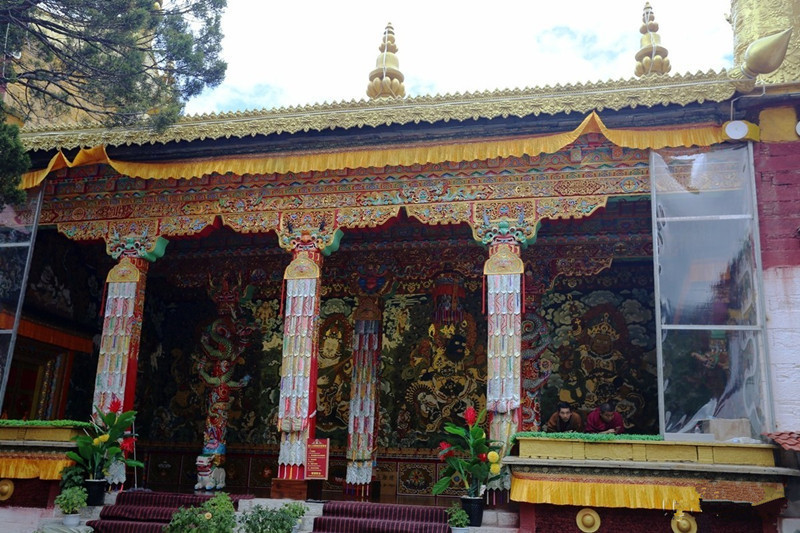
Inside the monastery, visitors can find a clay statue of Shakyamuni (释迦牟尼), representing the enlightenment of the Buddha. Despite its quiet simplicity, the monastery is surrounded by both natural beauty and rich spiritual history.

Cultural and Historical Significance

Chonggu Monastery has deep ties to local Tibetan culture and the veneration of sacred mountains. The area’s three snow-capped peaks—Xian’nai Ri (仙乃日), Yangmaiyong (央迈勇), and Xia Nuo Duo Ji (夏诺多吉)—are considered divine by Tibetan Buddhists. In the 8th century, the great Buddhist master Padmasambhava (莲花生大师) consecrated these peaks, dedicating them to three Buddhist deities: Avalokiteshvara (Xian’nai Ri), Manjushri (Yangmaiyong), and Vajrapani (Xia Nuo Duo Ji). These peaks are now known as the “Three Protectors” (三怙主), and the monastery serves as a central site for pilgrims and worshipers.

Legendary Origins

One of the most prominent legends tied to the monastery is that of Quejie Gongjue Jiacuo (却杰贡觉加错), a revered monk who dedicated his life to worshiping the sacred peaks. His work in building the monastery inadvertently angered the mountain gods, leading to a plague of leprosy that afflicted the nearby villagers. Out of compassion, the monk prayed fervently, using his spiritual powers to lift the plague. Though the people were cured, he succumbed to the illness and passed away. His remains were buried at the monastery, where locals built a monument in his memory, a grand Mani stone pile (嘛呢堆) to honor his sacrifice.

Scenic Views and Surrounding Landscape

Chonggu Monastery is situated in the heart of the Yading Nature Reserve (亚丁自然保护区), offering unparalleled panoramic views. The area surrounding the monastery is a natural paradise, with its vivid blue skies, lush green meadows, and the timeless snow-capped peaks of the Three Protectors. The monastery itself feels like a gateway to a divine realm, with its serene and breathtaking atmosphere. Whether you’re an amateur photographer or a seasoned traveler, this location offers the perfect backdrop for stunning photographs.

Exploring the Sacred Peaks

From the monastery, visitors can head to Luorong Grassland (洛绒牛场), a beautiful location surrounded by the Three Protectors. The area is a mixture of tranquil grasslands, lush forests, flowing rivers, waterfalls, and traditional Tibetan wooden huts. As you trek further, you’ll arrive at Qujiu Zha A Sacred Spring (曲九扎阿神泉), where sacred waters flow from the mountains. Pilgrims and visitors alike stop here to purify themselves, washing away impurities and seeking protection from the deities.

A Glimpse of History

In 1928, the famous explorer Mr. Joseph Rock stayed at Chonggu Monastery for three days while investigating the Rishong Gongbu (日松贡布) area. From a small window in the monastery, he gazed upon the tranquil and peaceful Yading village, bathed in the light of the moon. This scene inspired his description of the “Blue Moon Valley” in his famous writings, which later contributed to the legend of Shangri-La in Hilton’s book.

Travel Information

External Transportation

  • To Reach Yading Scenic Area:

    Traveling to Yading requires a drive from Daocheng County (稻城县) to Shangri-La Town (香格里拉镇), which takes about 1.5 hours. From Shangri-La Town, visitors must transfer to a sightseeing bus to reach Yading Village (亚丁村), which takes an additional 1.5 hours.

  • Transportation Costs:

    The fare for a round-trip from Daocheng to Shangri-La Town is typically between 400-700 RMB per vehicle. If shared, the cost per person is around 50 RMB.

Internal Transportation

  • Horseback Riding:

    Within the scenic area, visitors can explore on horseback. Horses can be rented at key points, including Longtongba (龙同坝), Chonggu Monastery, and Luorong Grassland. Horseback riding offers a closer, more intimate experience of the natural surroundings and is an excellent way to connect with the landscape.

Visitor Tips

  • Opening Hours: 8:30 AM – 6:00 PM

  • Ticket Price: Free (included in the Yading Scenic Area entry ticket, 150 RMB)

  • Best Time to Visit: Spring, Summer, and Autumn

  • Recommended Visit Duration: 1-2 hours

  • Ideal For: Nature lovers, spiritual seekers, and photographers looking to capture the serene beauty of Tibet.