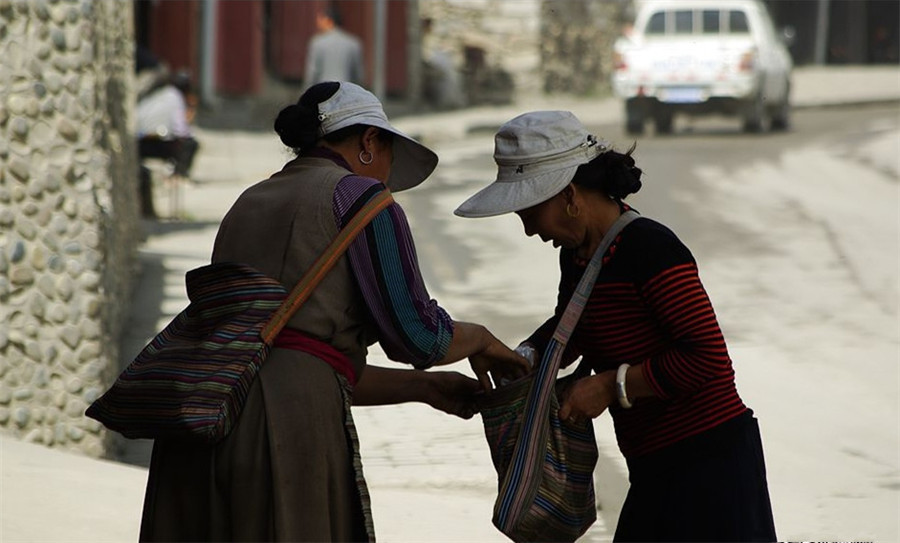
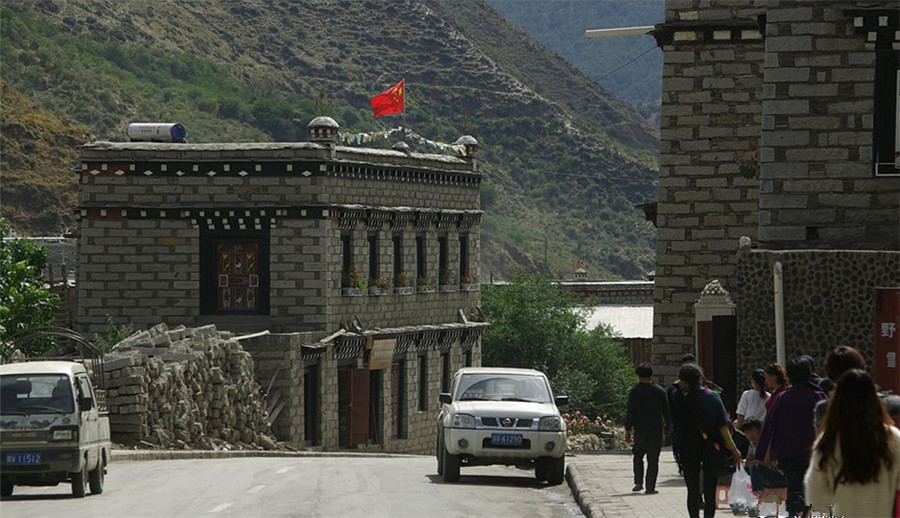
Shangri-La Town (Riwa Town) in Daocheng County, Garze

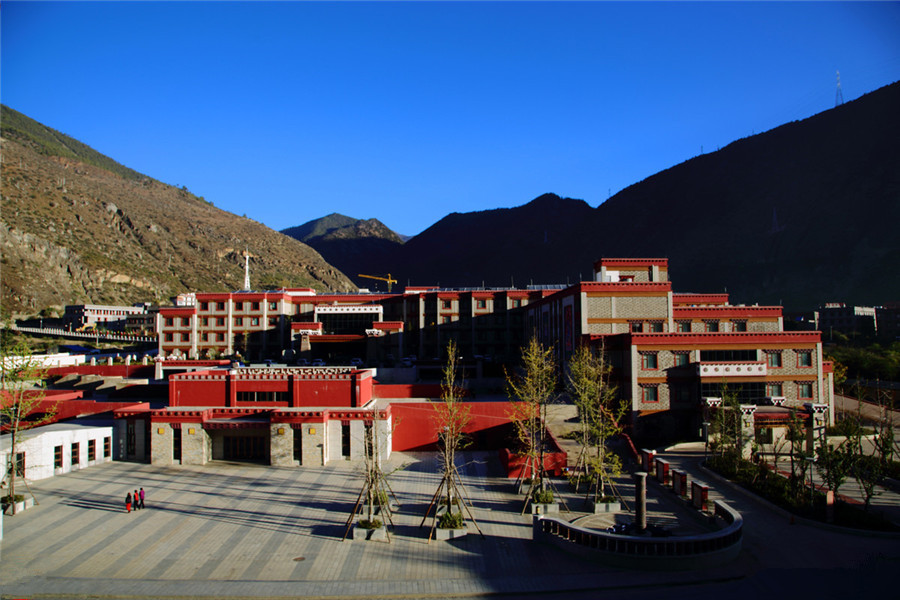
Shangri-La Town (香格里拉镇), located in Daocheng County (稻城县), Garze Tibetan Autonomous Prefecture (甘孜藏族自治州), Sichuan Province (四川省), is a picturesque town situated in the southern part of Daocheng County, bordered by Muli County (木里县) to the east, Yunnan Province’s Shangri-La County (云南省香格里拉县) to the south, and Mula Township (木拉乡) to the west. It is approximately 73 kilometers from the county seat, covering a total area of 736 square kilometers (284 square miles). As of the end of 2019, the town had a registered population of 3,019 people.

Historical Evolution and Administrative Changes

Renaming and Development

Originally named Riwa Township (日瓦乡), Shangri-La Town was renamed in 2002 and upgraded from a township to a town in 2009. On February 10, 2009, the town officially replaced Shangri-La Township (香格里拉乡) and assumed the administrative functions of the former township.

Administrative Structure

As of 2020, Shangri-La Town comprises 1 community and 11 administrative villages, with the town government based in Xiayang Village (呷拥村).

Geography and Natural Environment

Location and Terrain

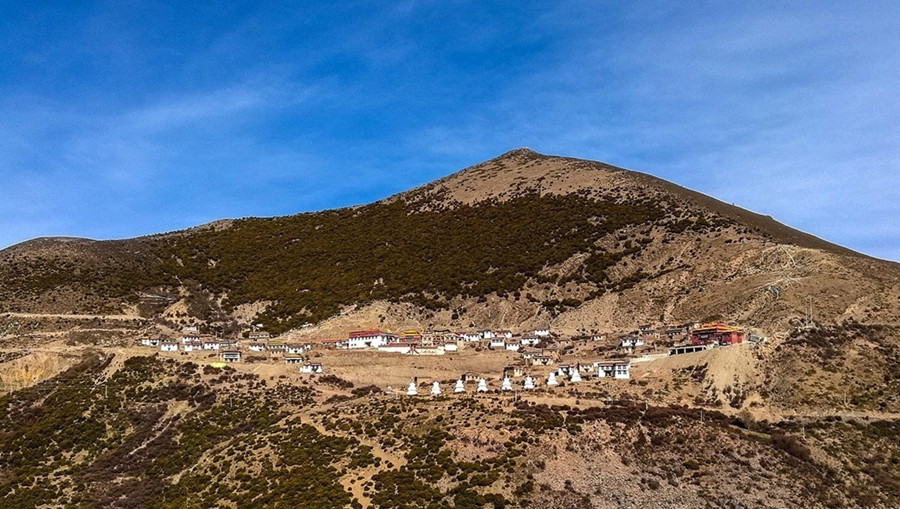
Shangri-La Town is located in the southern part of Daocheng County and is surrounded by neighboring regions like Muli County and Shangri-La County in Yunnan. The town itself spans 736 square kilometers and is nestled within a stunning high-altitude environment. Its altitude and geographical positioning offer breathtaking views of the surrounding snow-capped peaks, alpine meadows, and Tibetan villages.

Climate

The town enjoys a plateau monsoon climate, with an average annual temperature of 12.8°C (55°F). The region experiences distinct seasons, with chilly winters and pleasant summers.

Natural Resources

Shangri-La Town is home to various natural resources, including:

  • Minerals: Reserves of gold, tungsten, molybdenum, copper, crystal, aluminum, zinc, and silver are found within the town’s boundaries. The Eze Gold Mine is known for having the largest gold reserves in the southwestern region of China.

  • Flora: The region boasts a variety of woodland resources, such as pine, cypress, and fir trees, along with wild medicinal plants like caterpillar fungus, Fritillaria, Astragalus, and Snow Lotus.

  • Fauna: The area is also home to various rare wildlife species, including leopard, Tibetan antelope, wild yak, macaques, and pandas.

Demographics

Population

As of 2019, Shangri-La Town had a population of 3,019 people. The population consists of multiple ethnic groups, with a significant presence of Tibetan and Han Chinese communities. In 2017, the town’s permanent population was recorded at 3,560.

Economic Overview

Agriculture and Livestock

Agriculture forms the backbone of Shangri-La Town’s economy, with barley as the primary crop. Livestock farming focuses on yak and Tibetan pigs. At the end of 2011, the town had a total of 9,780 livestock, which includes cattle, yaks, and other animals.

Income and Industry

In 2011, the average annual income per agricultural household in Shangri-La Town was 2,711 yuan (approx. $400 USD). By 2019, the town was home to 4 industrial enterprises and over 10 retail stores and supermarkets, contributing to the local economy.

Social Development and Services

Education

By the end of 2011, Shangri-La Town had a central school and 3 village primary schools, with 35 staff members. These educational facilities aim to provide basic education for local children and youth.

Healthcare

The town has a health clinic with 11 medical staff. The town is committed to improving healthcare access, especially in rural areas.

Social Welfare

Shangri-La Town provides various social welfare services:

  • Urban minimum living guarantee for 67 households (302 individuals) and rural welfare for 173 households (513 individuals) as of 2011.

  • The town also provides assistance to 20 rural “five guarantees” families and other disadvantaged groups.

Telecommunication and Infrastructure

  • By 2011, Shangri-La Town had 1 telecommunications company, with 470 fixed phone users, 480 mobile users, and 75 broadband users.

  • The town has access to electricity from its 7500-kilowatt power plant, ensuring reliable energy supply for local residents.

Transportation

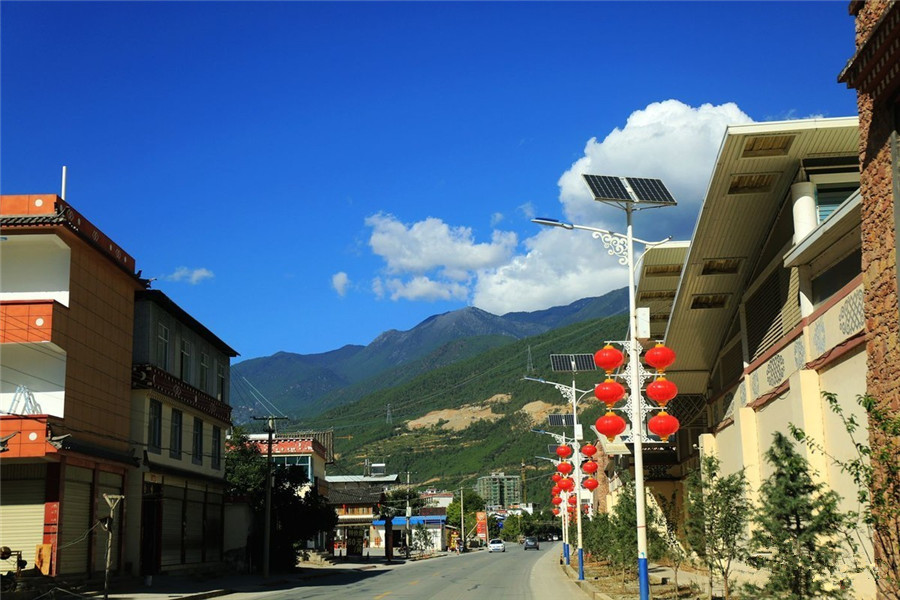
Shangri-La Town is well-connected by highway, including the Zhangmeng Road, which passes through the town. The region is accessible via road transportation, with public and private vehicles linking it to nearby areas like Daocheng County and Yunnan Province.

Honors and Recognition

  • In 2020, Shangri-La Town was named one of the “Advanced Towns in the Implementation of Rural Revitalization Strategy” in Sichuan Province for the year 2019.

  • On July 29, 2020, the town was recognized as a “National Health Town” by the National Patriotic Health Campaign Committee for the 2017-2019 period.

  • Shangri-La Town was awarded the title of “Fifth Sichuan Province Civilized Town” in 2020 and received the “Seventh National Civilized Village and Town” award in 2025.