Woka Three Holy Rivers in Sangri County, Lhoka (Shannan)

Woka Three Holy Rivers (沃卡三圣) refers to the sacred rivers of the Zengqi River (曾期河), Black Dragon River (黑龙河), and Derimu River (德日木河) in the Woka (沃卡) region, as well as the Wode Gongjie Snow Mountain (沃德贡杰雪山) and seven hot springs. Located in Sangri County (桑日县), Lhoka (山南), Tibet, this area is revered for its stunning natural beauty and its significance in Tibetan Buddhism.

Sacred Geography and Spiritual Significance

Wode Gongjie Snow Mountain (沃德贡杰雪山)

The main peak of Wode Gongjie Snow Mountain stands at around 6000 meters above sea level and is known for its breathtaking landscapes and serene environment. It is considered a holy mountain in Tibetan Buddhism, particularly significant in the history of the Gelugpa (格鲁派) sect. Tsongkhapa (宗喀巴), the founder of the Gelugpa school, is said to have practiced and taught on this mountain before establishing his sect. The Qulong Monastery (曲龙寺), located on the mountain, is believed to have been built by Tsongkhapa himself and is one of the earliest Gelugpa monasteries. The monastery also houses sacred relics, including stones with Tsongkhapa’s handprint and headprint, as well as a hoofprint of the yak he rode.

The Three Holy Rivers: Zengqi River, Black Dragon River, and Derimu River

The three rivers in Woka are revered as sacred rivers in Tibetan Buddhism, each symbolizing a different deity:

  • Zengqi River (曾期河) represents Avalokiteshvara (观音菩萨), the Bodhisattva of Compassion.

  • Black Dragon River (黑龙河) symbolizes Vajrapani (金刚持), the protector of the Buddha’s teachings.

  • Derimu River (德日木河) is associated with Mahakala (护法神), the protector deity of Tibetan Buddhism.

These rivers are considered to have spiritual power, and many pilgrims visit the region for ritual bathing and meditation.

Woka Hot Springs (沃卡温泉)

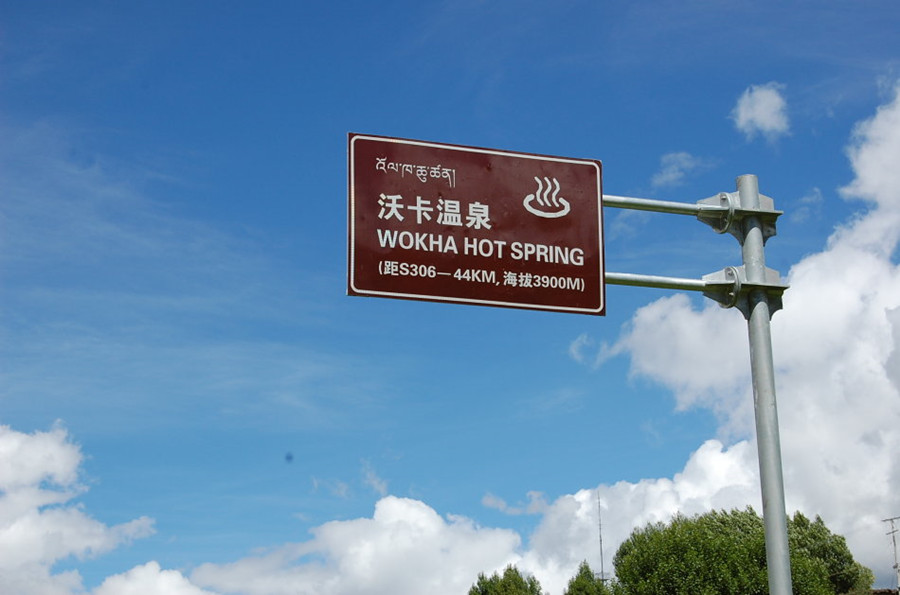
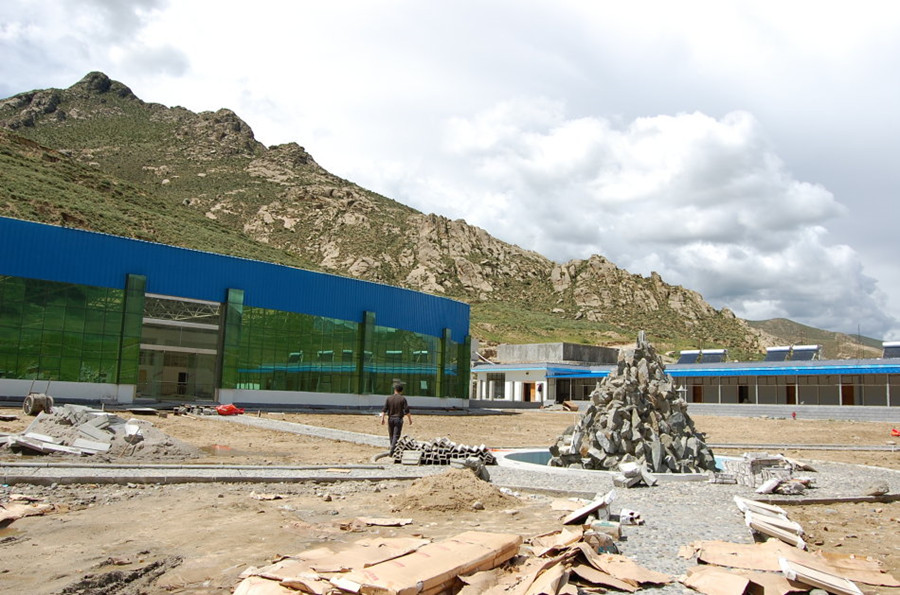
There are seven hot springs scattered across the Woka region, forming a star-like pattern on the grasslands. These springs are rich in various minerals, offering significant health benefits, especially in alleviating altitude sickness and promoting relaxation. The most famous of these is the Zhuoluo Kha Hot Spring (卓罗喀温泉), which is exclusively used by the Dalai Lama (达赖喇嘛). During the spring and summer months, these hot springs attract many visitors for leisure and therapeutic bathing.

Main Attractions in Woka

  • Wode Gongjie Snow Mountain (沃德贡杰雪山): Known as a holy site for Gelugpa (格鲁派) practitioners and home to Qulong Monastery (曲龙寺).

  • Zengqi River (曾期河), Black Dragon River (黑龙河), and Derimu River (德日木河): Sacred rivers that represent important Buddhist deities.

  • Woka Hot Springs (沃卡温泉): Seven mineral-rich hot springs known for their healing properties.

Tourism Guide for Woka Three Holy Rivers

Core Attractions and Experiences

Wode Gongjie Snow Mountain (沃德贡杰雪山)

  • The peak stands at approximately 6000 meters and is regarded as a sacred mountain in Tibetan Buddhism.

  • Visit Qulong Monastery (曲龙寺), one of the earliest Gelugpa monasteries, founded by Tsongkhapa (宗喀巴).

  • Best time for photography: early morning or late afternoon, when the mountain is bathed in golden sunlight. The best view can be enjoyed from the Snowba Village Homestay (雪巴村民宿).

Seven Hot Springs (七处温泉)

  • Zhuoluo Kha Hot Spring (卓罗喀温泉), with water temperatures ranging from 40°C to 55°C, is the most famous and is known for its healing properties, particularly in combating altitude sickness.

  • Other hot springs, such as Jueqiong Banglo Hot Spring (觉琼邦咯温泉) for treating gastritis and Pabu Hot Spring (帕布温泉) for arthritis, each offer unique therapeutic benefits.

  • Best time to visit: spring and autumn (March-May and September-November), when the climate is mild and the waters are comfortable for bathing.

Nearby Natural and Cultural Attractions

  • Sijinla Tso (思金拉措): Known as the “Lake of Wealth” (财神湖), this sacred lake is about 45 kilometers from Woka (沃卡) and sits at an altitude of 4888.88 meters. It is a popular place for making wishes related to wealth and love.

  • Gongdelin Grassland (功德林草原): This grassland is ideal for capturing photos of yak herds and the reflection of the snow mountain in the water, especially in April when the grass begins to sprout.

Recommended Itinerary

2-Day Tour Route

  • Day 1: Depart from Lhasa (拉萨) → Visit Sijinla Tso (思金拉措) → Relax at Woka Hot Springs (沃卡温泉) and enjoy snow mountain views → Overnight stay at Snowba Village Homestay (雪巴村民宿).

  • Day 2: Hike Wode Gongjie Snow Mountain (沃德贡杰雪山) → Pilgrimage to Qulong Monastery (曲龙寺) → Visit Pabu Winery (帕竹酒庄) and sample local Tibetan wine → Return to Lhasa.

Transportation

  • Self-Driving: From Lhasa, drive along the Lalin Expressway (拉林高速) to Zeduo Service Area (日多服务区), then follow the Gongsa Line (贡桑线) to Snowba Village (雪巴村) – approximately 190 kilometers.

  • Charter Service: It is recommended to hire a local driver familiar with the route for the 75-kilometer trip from Sangri County (桑日县) to Woka (沃卡).

Accommodation and Dining

  • Hot Springs Homestays: Stay at Snowba Village Homestay (雪巴村民宿) for a blend of Tibetan style and modern amenities, with a direct view of the snow mountain.

  • Tibetan Cuisine: Try local dishes such as potato buns (土豆包子) and sweet tea (甜茶) at Luding Linka (鲁定林卡) in Sangri County (桑日县), or enjoy butter tea (酥油茶) and dried yak meat (风干牦牛肉) at your homestay.

Travel Tips

  • Altitude Sickness: The altitude of Woka is about 3900 meters, so avoid long soaks in the hot springs. Carry oxygen bottles and take it easy to acclimatize.

  • Religious Etiquette: When visiting monasteries or temples, walk clockwise and be respectful of local customs. Avoid photographing sacred objects or rituals without permission.

The Woka Three Holy Rivers (沃卡三圣) offers a unique combination of natural healing, spiritual significance, and scenic beauty, making it a must-visit destination for those interested in Tibetan Buddhism (藏传佛教) and wellness tourism. Whether you’re hiking the Wode Gongjie Snow Mountain (沃德贡杰雪山), soaking in the healing waters of the hot springs, or experiencing the serene beauty of the Sijinla Tso (思金拉措) lake, this region is a true Tibetan gem.