Gdan Sa Thel Temple in Sangri County, Lhoka (Shannan)

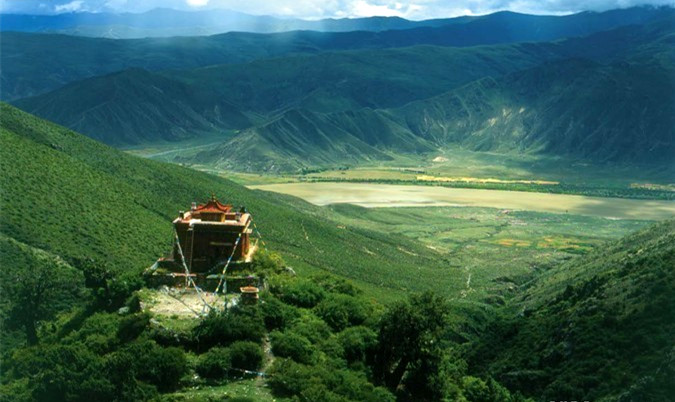
Gdan Sa Thel Temple (丹萨梯寺), also known as Densa Ti Temple (丹萨替寺), is a historically significant Tibetan Buddhist monastery located in Sangri County (桑日县), Lhoka (Shannan) (山南), Tibet. Situated on the northern banks of the Yarlung Tsangpo River (雅鲁藏布江), near Pachu Ferry, the temple holds great religious and cultural value as the earliest monastery of the Pachu Kagyu sect (帕竹噶举派). Founded in the Southern Song Dynasty in 1158, it is also regarded as the ancestral temple of the Pachu Kagyu school.

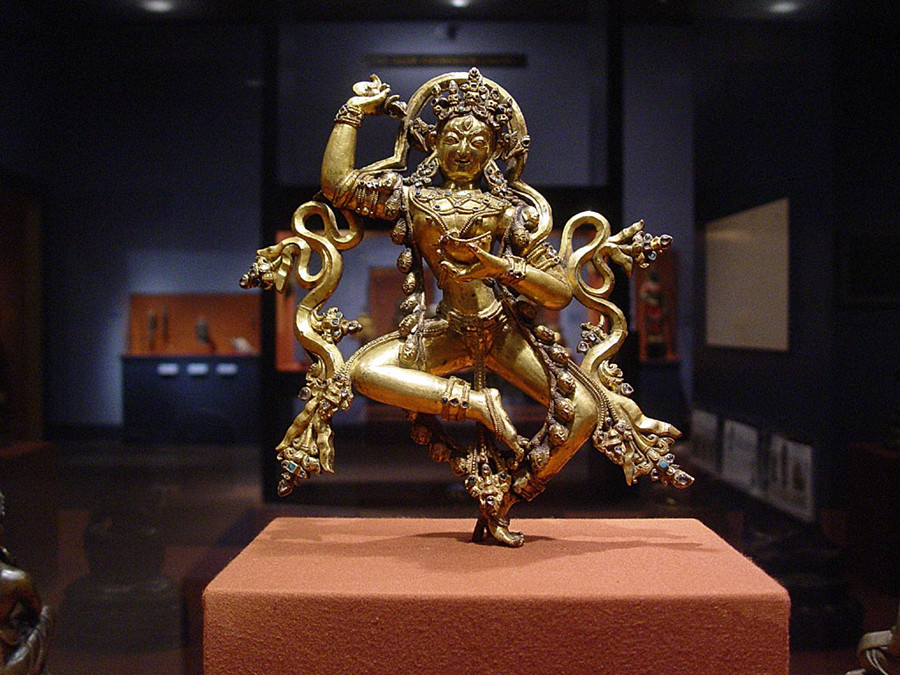
The monastery is renowned for its artistic heritage, particularly its bronze gilded statues, and serves as a key site for Tibetan Buddhism, where both religious practices and politics have intersected over the centuries. As a national key cultural heritage site, it is managed by the Sangri County Gdan Sa Thel Temple Management Committee (桑日县丹萨梯寺管理委员会).

Historical Background

Foundation and Early Development

Gdan Sa Thel Temple was founded by the monk Dorje Jeba (多吉杰布) in 1158 during the Southern Song Dynasty. It is the earliest monastery of the Pachu Kagyu sect, which developed in the Pachu region. Over time, the monastery became the central institution of the Pachu Kagyu school, and Dorje Jeba became known as Pachu Baba (帕木竹巴).

14th Century and Political Power

In the 14th century, the monastery played a key role in the establishment of the Pachu political regime. Under the leadership of Jangchub Gyelpo (绛曲竖赞), the Pachu regime expanded its political and religious influence, and Gdan Sa Thel Temple became an important center of political and religious authority. This led to the integration of religious and political power, with the temple serving as the spiritual capital for the Pachu Dynasty.

Decline and Shift to Zedang Temple

By the 14th century, the temple’s prominence began to wane, as Zedang Temple (泽当寺) took over its role as the primary center for exoteric Buddhism (显教), while Gdan Sa Thel Temple continued to focus on Vajrayana practices (密法). Despite this, it remained an important religious site, with significant statues and religious artifacts preserved throughout the years.

Architectural Features

Gdan Sa Thel Temple is situated in a stunning location, built across the northern slope of a mountain. The temple complex extends over 30 hectares, with multiple buildings layered in accordance with the mountain’s natural terrain. The monastery’s architecture reflects traditional Tibetan styles designed to withstand the harsh high-altitude climate.

Key Structures

Pachu Baba’s Meditation Cave (帕木竹巴修行洞)

  • The meditation cave is the natural stone cavern where the first Pachu Baba practiced meditation. This sacred space is a significant spiritual site for pilgrims.

Stupa Complex (佛塔群)

  • The stupa complex features 14 stupas, which follow the architectural style of the Yuan Dynasty (元代). These stupas are important symbols of Buddhist relics and teachings.

Main Hall (经堂大殿)

  • The main hall houses murals dating back to the Ming Dynasty (明代) and numerous Tangkas (唐卡) that depict various Buddhist deities.

The construction of the temple utilizes traditional Tibetan watchtower architecture, with walls that are 1.2 meters thick to protect against the extreme weather of the high-altitude environment.

Artistic Significance

Gdan Sa Thel Sculptures

The statues and sculptures housed within the temple are known for their bronze gilding and detailed gemstone inlays, such as turquoise and coral. These artworks showcase the advanced craftsmanship of Tibetan artisans over centuries. Some of the most famous pieces include:

A **68 cm tall statue of the King of the Gods, Vaishravana, dating back to the Yuan Dynasty.

A six-armed Tara statue from the 15th century.

In 2023, a new Sculptural Art Exhibition Hall was inaugurated to showcase over 300 pieces of religious artifacts and sculptures, allowing visitors to explore the rich cultural history of the temple.

Artistic Features

The artistic style is characterized by:

Full facial features and widely spaced eyes.

Intricate carvings of fabric and robes.

Use of precious stones such as turquoise and coral to embellish the statues, giving them a luminous quality.

Religious Role and Practices

Importance in the Kagyu Sect

As one of the four main branches of the Kagyu school, Gdan Sa Thel Temple played a central role in the religious activities of the Pachu Kagyu sect. At its peak, the monastery was home to over 2,000 monks. The temple continues to be an important site for religious learning and practice.

Annual and Special Ceremonies

Pachu Baba’s Parinirvana Ceremony: This annual event takes place every year in the Tibetan lunar month of October and is a significant ritual in the monastery, marking the day of Pachu Baba’s (帕木竹巴) death.

Vajrayana Practices: Monthly ceremonies focused on Tantric practices are still observed.

Three-Year Statue Conservation Rituals: Every three years, a ritual is held to maintain and conserve the monastery’s statues and sacred artworks.

Current Religious Activities

The Sangri County Gdan Sa Thel Temple Management Committee currently oversees the temple’s religious affairs, and in 2025, the budget for religious activities is projected to be 2.49 million yuan.

Geographical and Environmental Features

Gdan Sa Thel Temple is located at an altitude of 4,500 meters (14,764 feet) on the mountain slope. The Yarlung Tsangpo River flows nearby, forming a narrow gorge that measures less than 100 meters in width.

Environmental Characteristics

The surrounding landscape is primarily made up of high-altitude shrubs, with a vegetation cover of 63%.

The average annual temperature in the region is 4.7°C, and the oxygen content is only 58% of that found at sea level, which may require visitors to acclimatize properly.

Ecological Features

The region is known for its rugged terrain, with alpine flowers and high-altitude wildlife such as snow leopards and blue sheep.

The monastery is located near Pachu Wine Town, which is a popular tourist area known for its unique Tibetan-style accommodations and local cuisine.

Visitor Information

How to Get There

Visitors can reach Gdan Sa Thel Temple by traveling on the Z-shaped mountain road, which is approximately 8 kilometers long. From the Sangri County (桑日县) town center, it takes about 30 minutes by car to reach the temple.

Opening Hours

Summer Hours: 09:00 AM to 6:00 PM

Winter Hours: 09:00 AM to 5:00 PM (the temple closes one hour earlier in winter)

Visitor Guidelines

Visitors must remove their shoes before entering the Main Hall and should follow the clockwise direction when touring the religious sites.

Cameras with lenses longer than 200mm are prohibited in the temple.

The kora (pilgrimage path) around the temple is approximately 2.3 kilometers long and involves a 180-meter elevation change.

Local Accommodation

There are Tibetan-style guesthouses and restaurants available in the nearby Pachu Wine Town, offering local delicacies and an authentic Tibetan experience.