Chuku Monastery in Burang County, Ngari

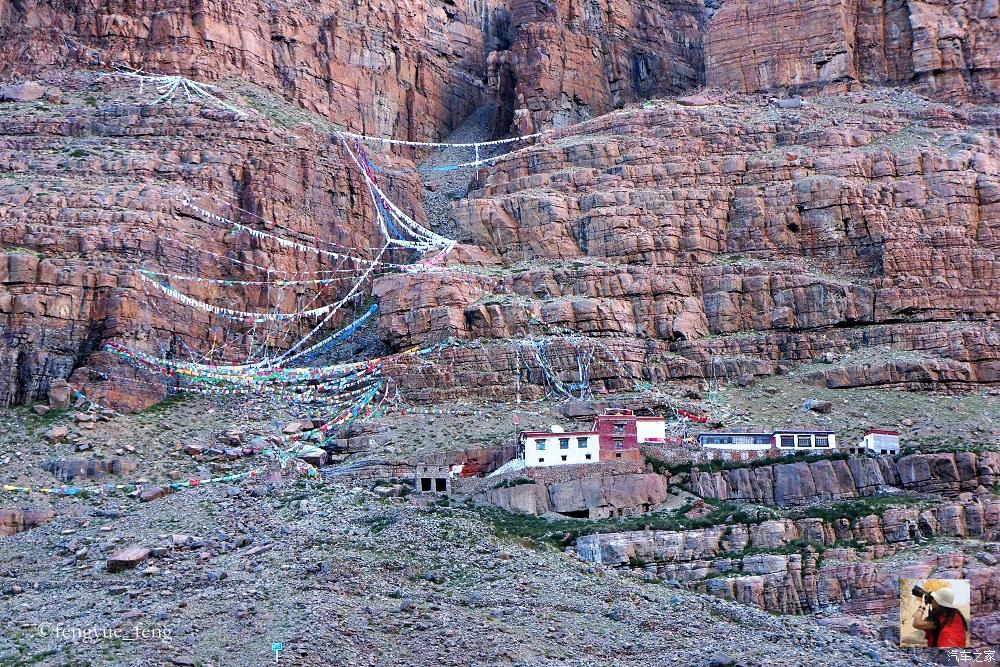
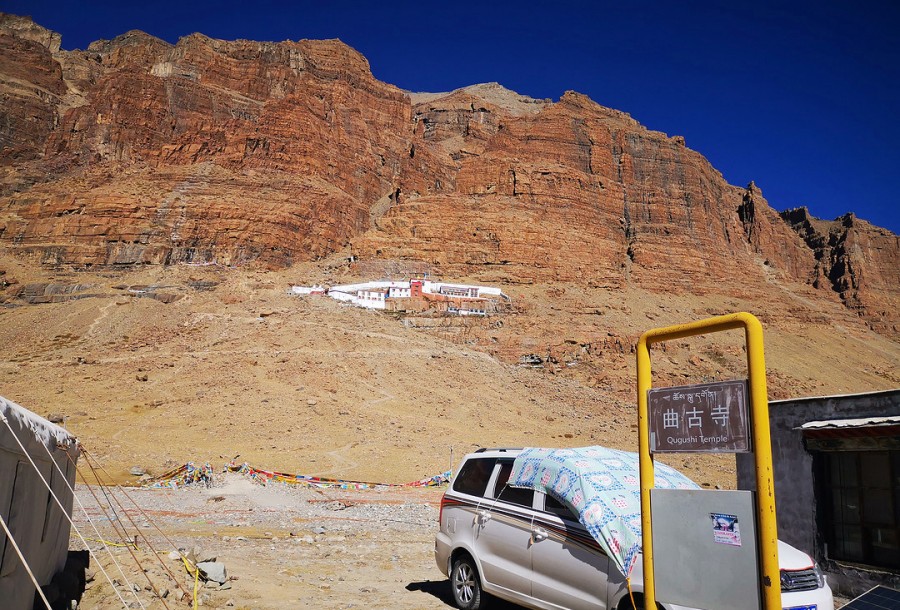
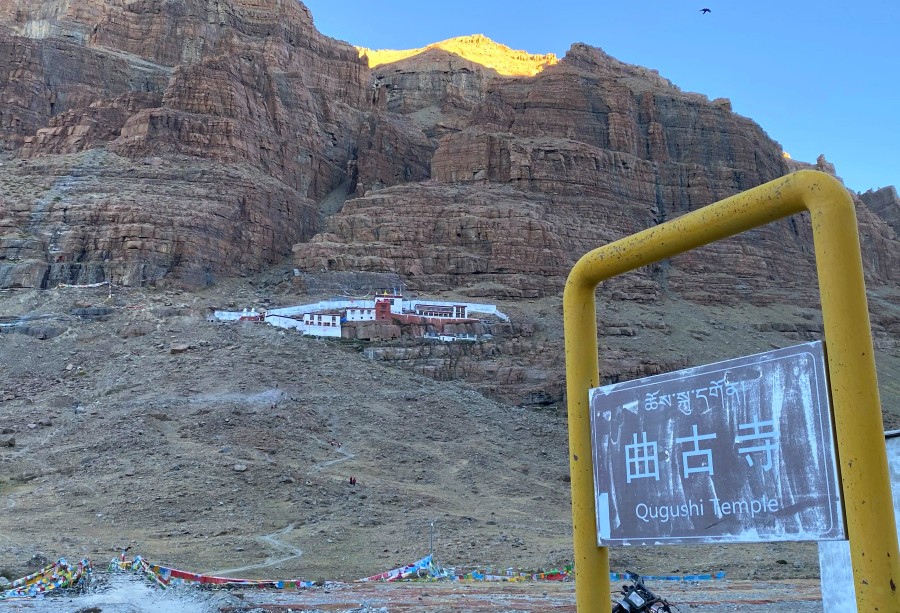
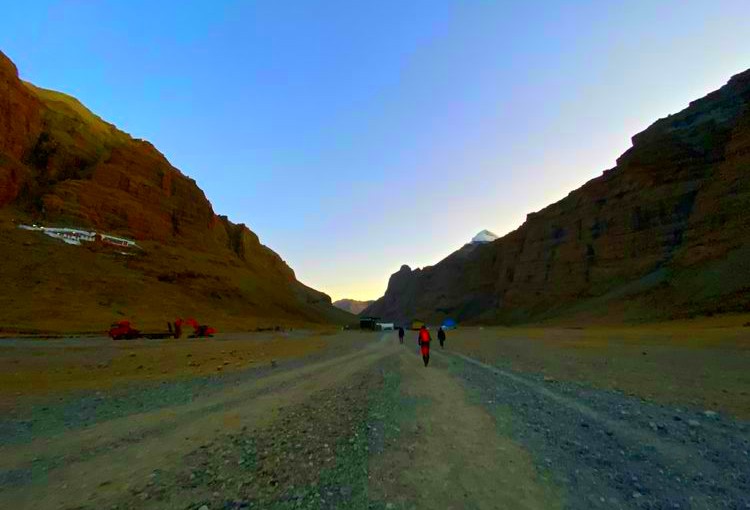
Chugu Monastery (曲古寺) is located in Purang County (普兰县), Ngari Prefecture (阿里地区), Tibet. It lies on the western side of Mount Kailash (冈仁波齐峰) and is the first monastery encountered on the sacred kora (circumambulation) route. The monastery is named after its main deity—a naturally formed stone statue of Amitayus Buddha (无量寿佛), known in Tibetan as “Chugu.”

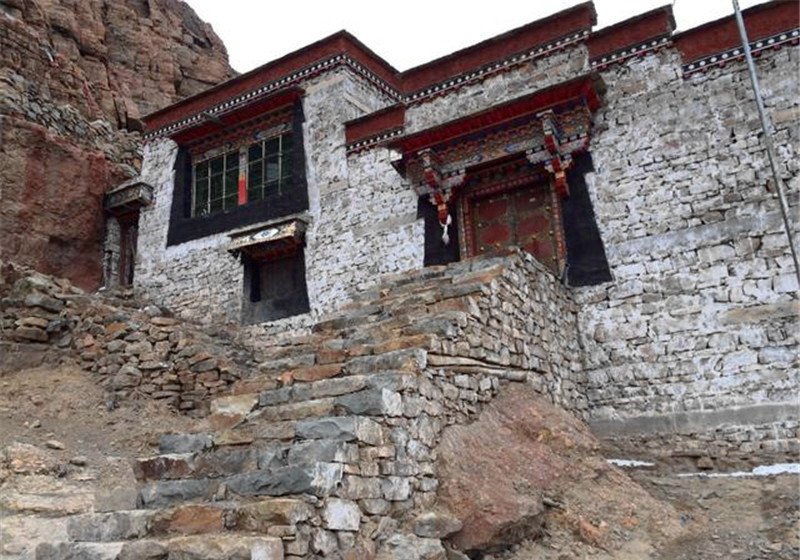
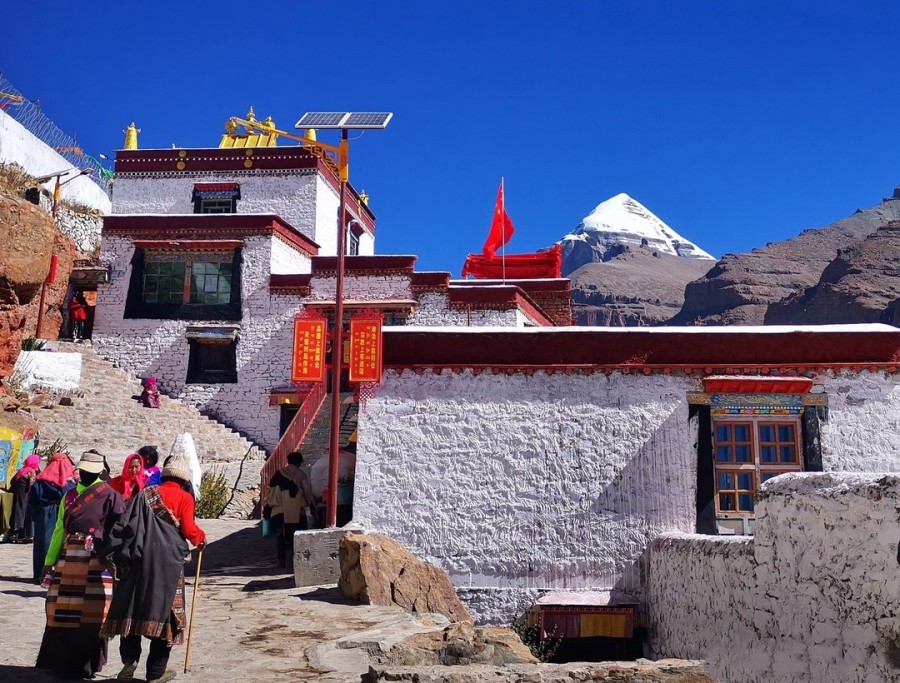
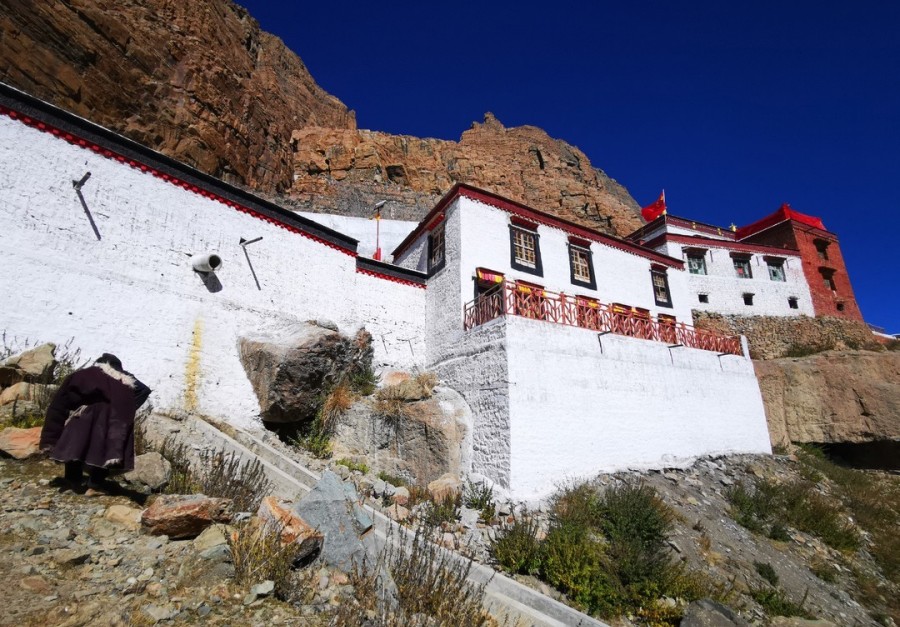
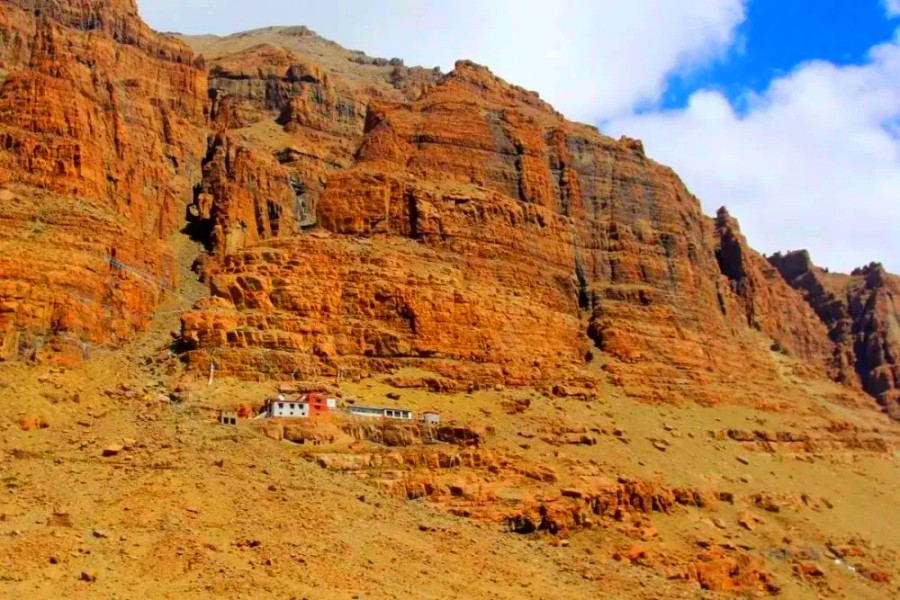
Founded in the 13th century by the yogi Nyenchen (念钦), it was originally called Niebu Rizong (聂布日宗). Built against the mountainside, the existing architecture features traditional Tibetan white walls and red roofs. At an altitude of 4,820 meters, the monastery also serves as a scenic viewpoint of the snowy western face of Mount Kailash.

  • Original Name: Niebu Rizong (聂布日宗)
  • Location: Purang County (普兰县), Ngari Prefecture (阿里地区), Tibet
  • Elevation: 4,820 meters
  • Feature: First monastery on the Kailash kora route

History

Legend holds that the Amitayus statue was brought from Lake Shana in western Garsha by a yogi, then offered to the Guge King Zhede. Initially enshrined in a Guge monastery, the statue was later transported to Chugu Monastery under miraculous circumstances involving deities and supernatural transformations.

During the reign of Guge King Chizhashi Zhaba, soldiers attempted to seize the statue. When they tried to dismantle it, the statue let out a loud cry, terrifying the soldiers, who fled with only sacred relics including Naropa’s conch shell and a copper cauldron. Supernatural events followed—tea water turned into blood, and the cauldron flew into the sky, leaving imprints still visible on the cliffs near the monastery.

Eventually, the statue miraculously returned to Chugu Monastery, where it remains enshrined today. The monastery also preserves a Shakyamuni statue, the Kangyur scriptures, and relics of Kagyu masters such as Awang Langjie (阿旺朗杰).

Restoration

Chugu Monastery was destroyed during the Cultural Revolution, and most relics were lost. It was rebuilt in 1985, restoring religious activities.

Sacred sites around the monastery include:

  • Naropa’s relics: Rock imprints of his flying conch shell and cauldron.
  • Holy Springs: Such as Jidun Spring.
  • Sacred Caves & Footprints: Maitreya’s palace rock, Tara’s footprint, and Langqin Baipu (Elephant Hermitage Cave).
  • Stupas: Such as the “Crown Victory Stupa.”
  • Sacred Peaks: From Chugu, pilgrims head northwest to the Three Longevity Peaks (长寿三尊峰). Nearby seven peaks are interpreted as the palaces of 75 wrathful deities, 80 Indian yogis’ residences, or the seven brothers of King Gesar.
  • Divine Streams: The Gandise Nectar stream (冈底斯甘露), a five-colored flow, is linked with the divine palace of Gongbeng and its guardian animals.

Travel Tips

  • Altitude Awareness: At nearly 4,820 meters, visitors should prepare for altitude sickness.
  • Best Season: May to September, when weather conditions are relatively stable for the Kailash kora.
  • Pilgrimage Route: Chugu Monastery is the first stop on the sacred Kailash circuit—plan for rest and supplies here.
  • Photography: The monastery offers panoramic views of Mount Kailash’s western face—ideal for sunrise or sunset photography.
  • Cultural Etiquette: Respect local religious practices; avoid touching sacred objects without permission.
  • Nearby Sacred Sites: Allocate time to explore caves, springs, and stupas tied to Padmasambhava and other legendary figures.