Labuche Kang Peak in Tingri County, Shigatse
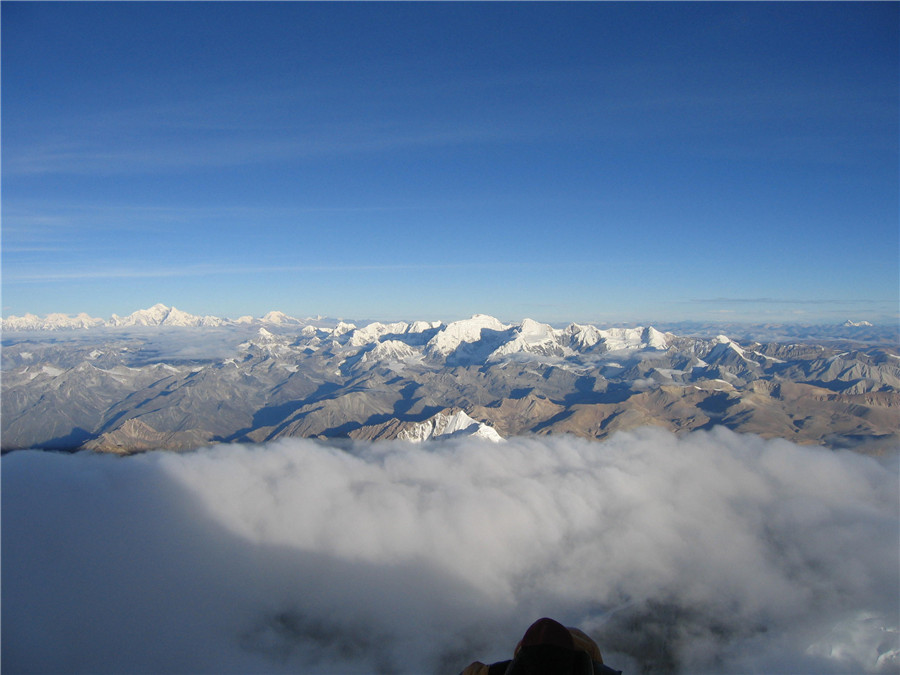
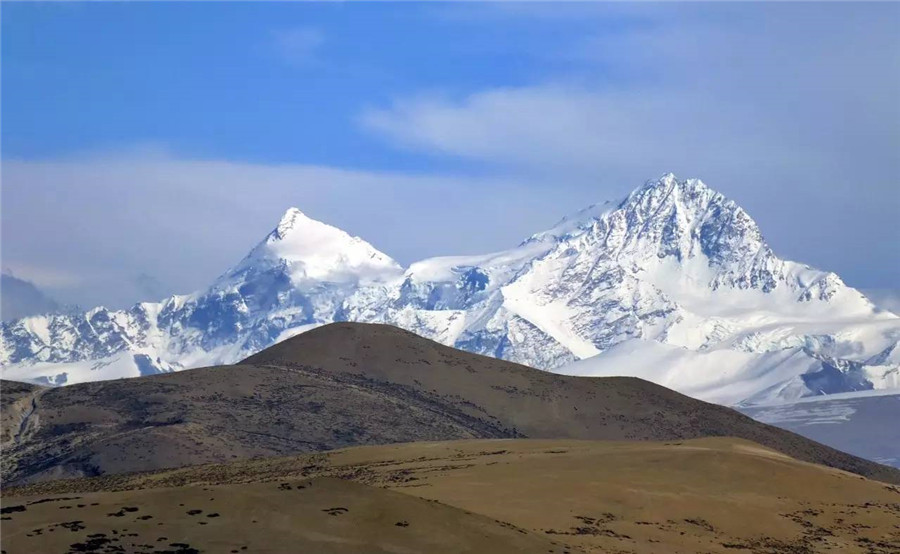
Labuche Kang Peak (拉布吉康峰) is an imposing mountain located on the boundary of Nielamu County (聂拉木县) and Tingri County (定日县) in Tibet. At an elevation of 7,367 meters, it lies in the central section of the Himalayas (喜马拉雅山脉), nestled between two renowned peaks—Xixiabangma (希夏邦马峰) and Cho Oyu (卓奥友峰). The mountain is known for its challenging climbing conditions, stunning glaciers, and rich spiritual significance. It is a destination not only for adventurers but also for those interested in the deep cultural and religious history of Tibet.
Location & Overview
Labuche Kang is located in the Himalayas between Xixiabangma Peak and Cho Oyu. This mountain range is revered for both its natural beauty and spiritual significance.
Key Features:
-
Main Peak: 7,367 meters (28.5° N, 86.5° E)
-
West Peak: 7,072 meters
-
East Peak: 7,094 meters
-
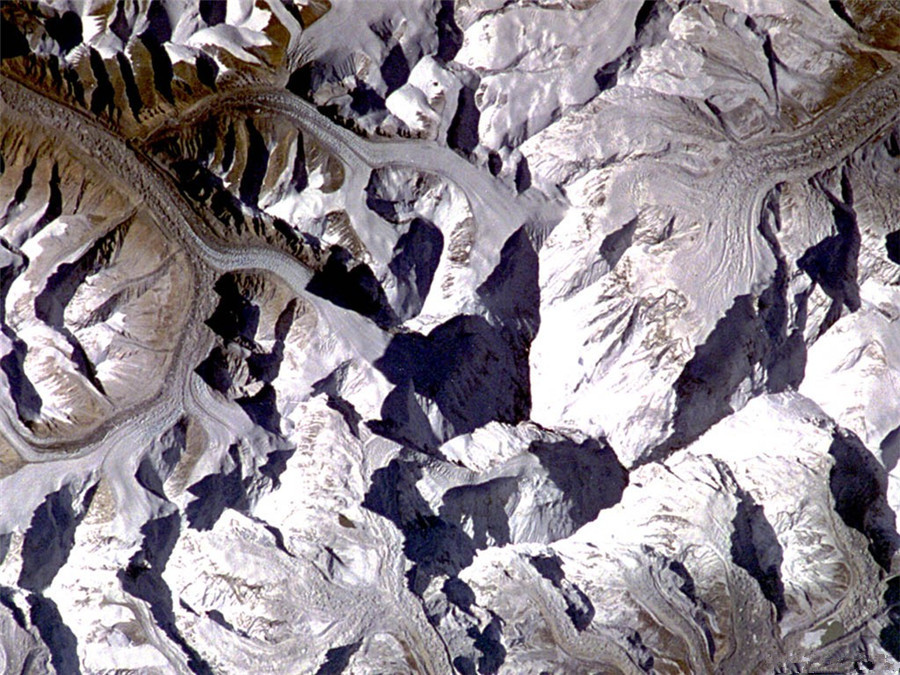
The region is dominated by glaciers, towering ice pinnacles, snow-covered slopes, and the occasional rockfalls, which make it a challenging climb for mountaineers.
-
The Drigung Kagyu sect (止贡噶举派) of Tibetan Buddhism regards Labuche Kang as a sacred mountain, with various meditation caves and religious sites related to the legendary Tibetan saint Milarepa (米拉日巴).
Best Time for Climbing
The climbing season for Labuche Kang is generally April to May and October to November. These months offer the best weather conditions, though the mountain is still notoriously challenging due to frequent avalanches, icefalls, and rockfalls, along with extreme cold temperatures.
Challenges:
-
Avalanches and Icefalls: Due to the steep slopes and glaciers, avalanches and ice falls are common.
-
Severe Weather: The weather in the region is harsh and unpredictable, making it difficult for climbers to predict conditions in advance.
Communication & Accessibility:
-
Mobile Signals: Limited mobile signals are available in Lhasa (拉萨), Shigatse (日喀则), and Tingri (定日), but there is no coverage in more remote areas such as base camps and high altitudes. It’s advisable to bring extra batteries and satellite phones.
-
Border Permits: Since Labuche Kang is located near Tibet’s border areas, you will need to secure a border pass (边境证) to access the climbing region.
Climbing History
The first successful ascent of Labuche Kang was achieved in October 1987 by a joint Chinese-Japanese expedition. The team, comprising 15 climbers, made their way up the northwest slope to reach the summit for the first time.
-
Chinese team: 8 climbers, including Wang Ga (旺加), with two female climbers.
-
Japanese team: 7 climbers, led by Tadao Sato (田道治).
This historic climb marked a milestone in Tibet’s mountaineering history, demonstrating the technical prowess and team cooperation needed to ascend one of the Himalayas’ most challenging peaks.
Access & Transportation
Journey to the Base Camp:
-
From Lhasa (拉萨), you can take the Central Nepal Highway (中尼公路) to Jiangzi (江孜), Shigatse (日喀则), and Xiegel (协格尔). This route covers a distance of approximately 480 kilometers and usually takes two days to complete.
-
From Xiegel, the road south leads to Languo Base Camp (郎果大本营) at 4,500 meters. From here, climbers can continue their journey on foot or with yak transport (牦牛), heading southwest to the foot of the mountain (approximately 40 kilometers).
Recommended Route:
-
Lhasa to Shigatse: Approx. 6-7 hours by road.
-
Shigatse to Xiegel: Approx. 2-3 hours.
-
Xiegel to Languo Base Camp: Approx. 3-4 hours.
Since the route is remote, travelers should make arrangements for permits in advance.
Sacred Significance
Labuche Kang Peak holds deep religious and spiritual importance for the Drigung Kagyu sect of Tibetan Buddhism. It is considered one of the most revered sacred mountains in Tibet, and many Buddhist monks and pilgrims visit the area for meditation and spiritual practice.
Key Religious Sites:
-
Milarepa Caves: Numerous meditation caves associated with Milarepa (米拉日巴), a famous Tibetan saint, are found in the region. These caves are still visited by monks and pilgrims seeking a closer connection to the divine.
-
Religious Relics: The area around Labuche Kang is dotted with Buddhist relics and holy sites, making it a destination for those exploring Tibet’s rich spiritual heritage.
Climbing Tips & Practical Information
Altitude and Acclimatization:
-
Base Camp: The base camp is at 4,500 meters, and climbers should allow time for proper acclimatization before beginning their ascent.
-
Altitude Sickness: Be prepared for the effects of high-altitude climbing, including fatigue and headaches. Gradual acclimatization is essential.
Gear Recommendations:
-
Cold Weather Gear: Temperatures at higher altitudes can drop below freezing, so it’s crucial to have insulated clothing, sleeping bags, and high-quality mountain boots.
-
Climbing Equipment: Bring crampons, ice axes, ropes, and high-altitude oxygen systems (if necessary).
Environmental Considerations:
-
Snow Avalanches & Icefalls: Regular snow avalanches and icefalls make certain sections of the mountain hazardous. Climbers must be prepared for sudden changes in conditions and the inherent dangers of high-altitude climbing.
Best Months for Climbing:
-
Spring (April-May): The weather is milder, and avalanches are less frequent, making it the ideal time to attempt an ascent.
-
Autumn (October-November): These months offer clear skies and less snow accumulation, reducing the risk of avalanches.
Border Permits:
To visit border regions like Zhangmu (樟木), Maitri Glacier, or Mount Everest Base Camp (珠穆朗玛峰大本营), climbers must secure a border pass. It’s best to arrange this in advance to avoid delays or complications.
Related Attractions
Key Attractions Near Labuche Kang:
-
Mount Everest (珠穆朗玛峰): The world’s tallest mountain, just to the south of Labuche Kang, offers both a spiritual and physical challenge.
-
Cho Oyu (卓奥友峰): Another towering peak of the Himalayas, known for its breathtaking beauty.
-
Everest Base Camp (珠峰大本营): The iconic base camp where climbers prepare to summit Mount Everest.
Nearby Cultural & Natural Wonders:
-
Lhasa (拉萨): The spiritual heart of Tibet, home to the Potala Palace (布达拉宫), Jokhang Temple (大昭寺), and other cultural landmarks.
-
Yarlung Tsangpo River Gorge (雅鲁藏布江大峡谷): Known for its dramatic landscapes and deep canyons.
-
Nyingchi (林芝): Often referred to as “Tibet’s Switzerland”, with lush green forests and pristine lakes.